
A registered nurse puts a client who has a psychotic disorder in seclusion overnight because the unit is very short-staffed, and the client frequently fights with other clients. the nurse's actions are an example of which of the following torts?
Invasion of privacy
Battery
False imprisonment
Assault
The Correct Answer is C
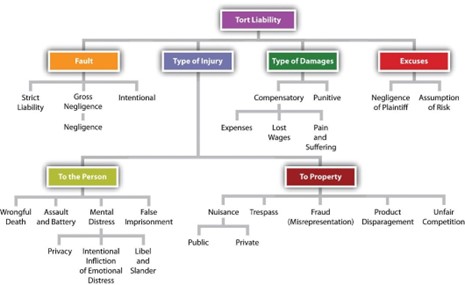
False imprisonment is the unlawful restraint of a person against their will. In this situation, the nurse’s actions of placing the client in seclusion overnight because the unit is short-staffed and the client frequently fights with other clients may be considered false imprisonment if the client did not consent to being placed in seclusion and if there were no legal grounds for doing so.
Option a. Invasion of privacy refers to the violation of a person’s right to privacy.
Option b. Battery refers to the intentional and harmful or offensive touching of another person without their consent.
Option d. Assault refers to the intentional act of causing another person to fear immediate harm or offensive contact.
Nursing Test Bank
Naxlex Comprehensive Predictor Exams
Related Questions
Correct Answer is ["A","B"]
Explanation
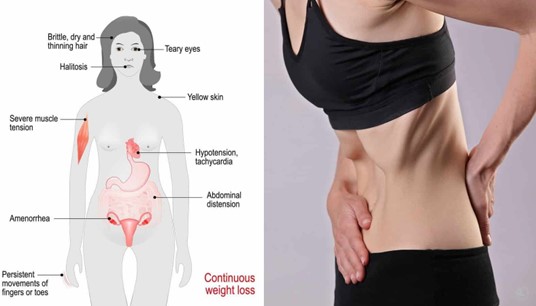
Option a. Clients diagnosed with anorexia nervosa often see themselves as overweight is true. Anorexia nervosa is characterized by a distorted body image and an intense fear of gaining weight. Even when they are severely underweight, individuals with anorexia nervosa may perceive themselves as being overweight.
Option b. Anorexia Nervosa has the highest mortality of all mental disorders is true. Anorexia nervosa is a serious mental illness that can have severe physical and psychological consequences, including death.
Option c. Clients diagnosed with anorexia nervosa often see themselves as emaciated and underweight is not true. As mentioned above, individuals with anorexia nervosa often have a distorted body image and may perceive themselves as being overweight even when they are severely underweight.
Option d. Clients diagnosed with anorexia nervosa are self-indulgent is not true. Anorexia nervosa is a complex mental illness that is not caused by self-indulgence.
Option e. Adolescent females are most affected is true. While anorexia nervosa can affect individuals of any gender and age, it is most diagnosed in adolescent females.
Correct Answer is C
Explanation
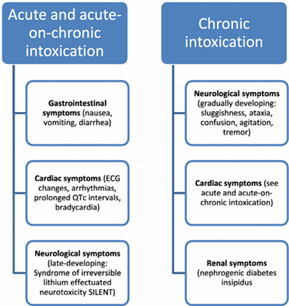
Diarrhea, vomiting, and drowsiness are potential signs of lithium toxicity, which can be a serious and potentially life-threatening condition. If a client who is being treated with lithium carbonate develops these symptoms, the nurse should notify the health care provider immediately and hold the next dose of medication until new orders are received from the provider.
Option a. Hold the medication and refuse to administer additional doses for 3 days is not an appropriate action because it does not involve notifying the health care provider or obtaining new orders.
Option b. Notify the health care provider immediately and give 4 liters of fluids is not an appropriate action because it involves administering fluids without obtaining orders from the health care provider.
Option d. Document the client’s symptoms and continue with medication as prescribed is not an appropriate action because it does not involve notifying the health care provider or holding the next dose of medication.
Whether you are a student looking to ace your exams or a practicing nurse seeking to enhance your expertise , our nursing education contents will empower you with the confidence and competence to make a difference in the lives of patients and become a respected leader in the healthcare field.
Visit Naxlex, invest in your future and unlock endless possibilities with our unparalleled nursing education contents today