
During an assessment, a nurse observes that a patient cannot shrug their shoulders. Which cranial nerve is likely impaired?
Vagus nerve (CNX)
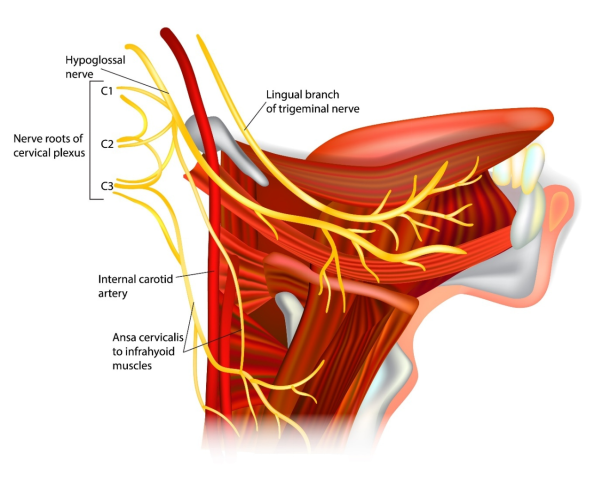
Hypoglossal nerve (CN XII)
Accessory nerve (CN XI)
Facial nerve (CN VII)
The Correct Answer is C
A. Vagus nerve (CN X): The Vagus nerve is responsible for the regulation of internal organ functions (digestion, heart rate, respiratory rate) and certain muscles of the throat for swallowing. It does not control the shoulders.
B. Hypoglossal nerve (CN XII): The Hypoglossal nerve innervates the muscles of the tongue. Impairment here would result in tongue weakness or deviation, not shoulder issues.
C. Accessory nerve (CN XI): The Spinal Accessory nerve provides motor innervation to two major muscles: the sternocleidomastoid (neck rotation) and the trapezius (shoulder elevation/shrugging). Inability to shrug represents paralysis of the trapezius.
D. Facial nerve (CN VII): The Facial nerve controls the muscles of facial expression (smiling, frowning, closing eyes). It does not control neck or shoulder musculature.
Nursing Test Bank
Naxlex Comprehensive Predictor Exams
Related Questions
Correct Answer is D
Explanation
A. Absorbing nutrients:Absorption is the primary function of the small intestine (specifically the jejunum and ileum), where nutrients pass through the villi into the bloodstream.
B. Storing glycogen:Glycogen storage primarily occurs in the liver and skeletal muscles. While the pancreas produces the hormones (insulin/glucagon) that tell these organs to store or release glycogen, the pancreas does not store it itself.
C. Producing bile:Bile production is the specific function of the liver. The gallbladder stores it, and the pancreas has nothing to do with bile production.
D. Secreting digestive enzymes:The pancreas has a crucial exocrine function where it produces "pancreatic juice." This cocktail contains powerful enzymes-amylase (for carbs), lipase (for fats), and proteases (for proteins)-which are released into the small intestine to break down food.
Correct Answer is A
Explanation
A. Skeletal muscle: Skeletal muscle is attached to bones and controlled voluntarily through the somatic nervous system. It enables walking, lifting, posture, and other conscious movements.
B. Cardiac muscle: Found only in the heart; it is involuntary and controlled by autonomic and intrinsic conduction systems.
C. Smooth muscle: Involuntary muscle found in the GI tract, blood vessels, and bronchi. It controls peristalsis, vasoconstriction, and other automatic functions.
D. Nervous tissue: Not a type of muscle. It transmits electrical impulses and is not responsible for movement.
Whether you are a student looking to ace your exams or a practicing nurse seeking to enhance your expertise , our nursing education contents will empower you with the confidence and competence to make a difference in the lives of patients and become a respected leader in the healthcare field.
Visit Naxlex, invest in your future and unlock endless possibilities with our unparalleled nursing education contents today