
If a woman has a pre-existing condition of diabetes, the nurse knows that she would be at risk for what symptom(s) during her pregnancy?
Select one:
Episodes of hypoglycemia and hyperglycemia.
Postpartum hemorrhage.
Cerebrovascular accident (CVA).
Acute vasospasm.
The Correct Answer is A
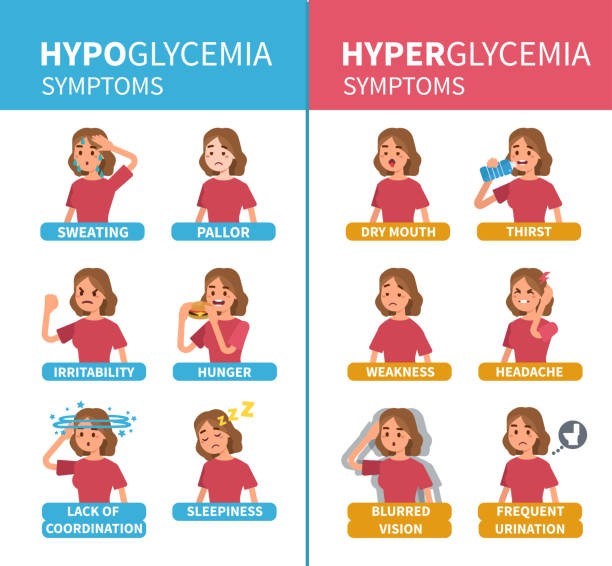
Choice A Reason: Episodes of hypoglycemia and hyperglycemia. This is because episodes of hypoglycemia and hyperglycemia are common complications of diabetes during pregnancy, which can affect both the mother and the fetus. Hypoglycemia is a condition where the blood glucose level drops below the normal range, which can cause symptoms such as sweating, trembling, hunger, confusion, or loss of consciousness. Hyperglycemia is a condition where the blood glucose level rises above the normal range, which can cause symptoms such as thirst, polyuria, fatigue, blurred vision, or ketoacidosis. Diabetes during pregnancy requires careful monitoring and management of blood glucose levels to prevent adverse outcomes such as fetal macrosomia, congenital anomalies, stillbirth, or neonatal hypoglycemia.
Choice B Reason: Postpartum hemorrhage. This is an incorrect answer that refers to a different complication that may occur after delivery, not during pregnancy. Postpartum hemorrhage is excessive bleeding from the uterus or genital tract after delivery, which can cause hypovolemic shock, anemia, or death. Postpartum hemorrhage can be caused by uterine atony, retained placenta, lacerations, or coagulation disorders.
Choice C Reason: Cerebrovascular accident (CVA). This is an incorrect answer that indicates a rare and severe complication that may occur during or after pregnancy, not specifically related to diabetes. CVA is also known as stroke, which is an interruption of blood flow to the brain due to ischemia or hemorrhage, which can cause neurological deficits or death. CVA can be caused by hypertension, preeclampsia-eclampsia, thrombophilia, or vascular malformations.
Choice D Reason: Acute vasospasm. This is an incorrect answer that suggests a different condition that may occur during pregnancy, not associated with diabetes. Acute vasospasm is also known as Raynaud's phenomenon, which is a disorder of blood vessels that causes them to narrow and reduce blood flow to the extremities in response to cold or stress, which can cause pain, numbness, or color changes. Acute vasospasm can be triggered by smoking, medications, or autoimmune diseases.
Nursing Test Bank
Naxlex Comprehensive Predictor Exams
Related Questions
Correct Answer is A
Explanation
Choice A Reason: Grunting and nasal flaring. These are signs of respiratory distress in newborns, which indicate that their oxygenation needs are not being met. Grunting and nasal flaring. This is because grunting and nasal flaring are signs of respiratory distress in newborns, which indicate inadequate oxygenation and ventilation. Grunting is a noise made by the newborn when exhaling, which reflects an atempt to keep the alveoli open and increase lung volume.
Nasal flaring is a widening of the nostrils when inhaling, which reflects an effort to reduce airway resistance and increase airflow.
Choice B Reason: Acrocyanosis. This is not a sign of respiratory distress in newborns, but rather a common condition called acrocyanosis. Acrocyanosis means bluish discoloration of the hands and feet due to poor peripheral circulation in response to cold exposure or stress. It does not affect oxygenation or ventilation and usually disappears within 24 to 48 hours after birth.
Choice C Reason: Abdominal breathing. This is not a sign of respiratory distress in newborns, but rather a normal patern of breathing for them. Abdominal breathing means that the newborn's abdomen rises and falls with each breath, which reflects the use of the diaphragm as the primary respiratory muscle.
Choice D Reason: Respiratory rate of 54 breaths/minute. This is not a sign of respiratory distress in newborns, but rather a normal range of respiratory rate for them. A normal respiratory rate for a newborn ranges from 40 to 60 breaths per minute.
Correct Answer is B
Explanation
Choice A Reason: Prepare for IV dextrose administration. This is an incorrect answer that indicates an unnecessary and invasive intervention for an IDM with normal blood glucose. IV dextrose administration is indicated for an IDM with severe or persistent hypoglycemia, which is defined as a blood glucose below 40 mg/dL or below 60 mg/dL after two feedings.
Choice B Reason: Provide routine care, per hospital IDM protocol. This is because a blood glucose of 60 is within the normal range for an IDM, which is 40 to 80 mg/dL. An IDM is a newborn whose mother has pre-existing or gestational diabetes, which can affect the fetal and neonatal glucose metabolism and regulation. An IDM may have hypoglycemia (low blood glucose), hyperglycemia (high blood glucose), or other complications such as macrosomia, polycythemia, or congenital anomalies. An IDM requires routine care and monitoring according to the hospital IDM protocol, which may include blood glucose testing, feeding, temperature regulation, and observation for signs of distress.
Choice C Reason: Place the infant in a warmed incubator. This is an incorrect answer that suggests an irrelevant and potentially harmful action for an IDM with normal blood glucose. Placing the infant in a warmed incubator is indicated for an IDM with hypothermia, which is a low body temperature that can impair glucose utilization and increase oxygen consumption. However, placing the infant in a warmed incubator without proper indication can cause hyperthermia, which is a high body temperature that can lead to dehydration, electrolyte imbalance, or brain damage.
Choice D Reason: Alert the clinician immediately for orders. This is an incorrect answer that implies an urgent and unwarranted situation for an IDM with normal blood glucose. Alerting the clinician immediately for orders is indicated for an IDM with signs of distress or complications, such as apnea, cyanosis, seizures, or jaundice.
Whether you are a student looking to ace your exams or a practicing nurse seeking to enhance your expertise , our nursing education contents will empower you with the confidence and competence to make a difference in the lives of patients and become a respected leader in the healthcare field.
Visit Naxlex, invest in your future and unlock endless possibilities with our unparalleled nursing education contents today