
In a hypertonic solution, water flows through aquaporins embedded in the plasma membrane of the cell.
This type of transport is best known as which of the following?
Facilitated diffusion.
Active transport.
Osmosis.
Diffusion.
The Correct Answer is C
Osmosis is the movement of water molecules across a selectively permeable membrane from an area of higher water concentration to an area of lower water concentration.
In a hypertonic solution, the concentration of solutes outside the cell is higher than inside the cell, so water flows out of the cell through aquaporins embedded in the plasma membrane to balance the concentration gradient.
Choice A. Facilitated diffusion is not correct because it is a type of passive transport that involves the movement of molecules across a membrane through specific transport proteins, but it does not specifically refer to the movement of water molecules.
Choice B. Active transport is not correct because it is a type of transport that involves the movement of molecules against their concentration gradient and requires energy in the form of ATP, but osmosis is a passive process that does not require energy.
Choice D. Diffusion is not correct because it refers to the movement of molecules from an area of higher concentration to an area of lower concentration, but it does not specifically refer to the movement of water molecules.
Nursing Test Bank
Naxlex Comprehensive Predictor Exams
Related Questions
Correct Answer is B
Explanation
Diffusion down a concentration gradient causes most of the carbon dioxide from the blood to move into the alveoli.
The alveoli are tiny air sacs in the lungs where gas exchange occurs.
Carbon dioxide is a waste product of cellular respiration and is carried by the blood to the lungs to be exhaled.
In the lungs, carbon dioxide diffuses from the blood (where its concentration is high) into the alveoli (where its concentration is lower) down its concentration gradient.
Choice A is incorrect because carbon dioxide is not converted to carbon monoxide in the body.
Choice C is incorrect because passive transport using carrier proteins is not the primary mechanism by which carbon dioxide moves from the blood into the alveoli.
Choice D is incorrect because active transport using energy is not involved in the movement of carbon dioxide from the blood into the alveoli.
Correct Answer is A
Explanation
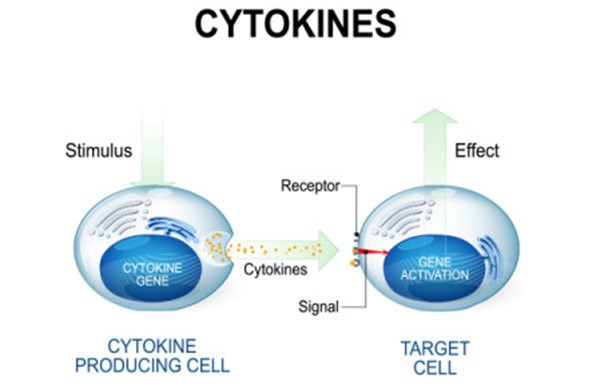
Cytokines are chemicals released by one type of immune cell to directly activate another type of immune cell.
They are small proteins that act as messengers between cells and play a key role in regulating the immune response.
Choice B. Lysozymes is not the correct answer because lysozymes are enzymes that break down bacterial cell walls and do not directly activate other immune cells.
Choice C. Perforin is not the correct answer because perforin is a protein that forms pores in the membranes of target cells and does not directly activate other immune cells.
Choice D. Granzymes is not the correct answer because granzymes are enzymes that enter target cells and trigger apoptosis (cell death) and do not directly activate other immune cells.
Whether you are a student looking to ace your exams or a practicing nurse seeking to enhance your expertise , our nursing education contents will empower you with the confidence and competence to make a difference in the lives of patients and become a respected leader in the healthcare field.
Visit Naxlex, invest in your future and unlock endless possibilities with our unparalleled nursing education contents today