
MK is admited with COPD exacerbation. Your nursing care plan reads Impaired Gas Exchange, related to smoking 1 PPD of cigaretes. AED pursed lip breathing shortness of breath. Which is the best expected outcome for this diagnosis.
Patient will exchange cigaretes for vaping in 5 days
Patient will stop smoking cigaretes within 7 days
Patient will smoke only a few cigaretes each day
Patient will not smoke cigaretes while wearing oxygen
The Correct Answer is D
This outcome is the most appropriate because smoking can worsen COPD and lead to further respiratory complications, while oxygen is often used to help patients with COPD breathe more easily. Smoking while wearing oxygen can be very dangerous and increases the risk of fire and explosion. Therefore, the best expected outcome is for the patient to completely avoid smoking while wearing oxygen.
Option a is not a recommended solution since vaping may also worsen COPD symptoms and there is limited evidence of its safety in people with respiratory conditions. Option b is a good outcome, but it may not be achievable in such a short time frame. Option c is not an ideal outcome as even a few cigaretes can cause harm to the respiratory system, exacerbate symptoms, and slow down the healing process.
Nursing Test Bank
Naxlex Comprehensive Predictor Exams
Related Questions
Correct Answer is D
Explanation
Explanation: The normal range of sodium (Na+) in the blood is 135-145 mEq/L. The patient's sodium level of 121 mEq/L is below the normal range, indicating a low sodium level, which is called hyponatremia.
Hyponatremia is a common electrolyte imbalance that can be caused by a variety of factors, including excessive sweating, vomiting, diarrhea, certain medications, kidney disease, and hormonal imbalances. It can cause symptoms such as nausea, headache, confusion, seizures, and coma, and it can be a medical emergency if the sodium level drops rapidly or severely.
Correct Answer is A
Explanation
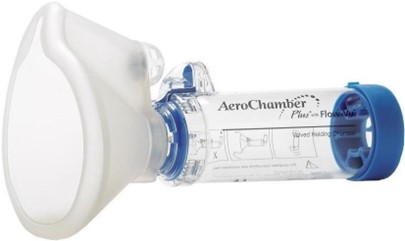
Before pumping the medication into the chamber, you should educate the patient to exhale. This means that the patient should breathe out fully before using the inhaler. This helps to empty the lungs of air and create more space for the medication to be inhaled.
Whether you are a student looking to ace your exams or a practicing nurse seeking to enhance your expertise , our nursing education contents will empower you with the confidence and competence to make a difference in the lives of patients and become a respected leader in the healthcare field.
Visit Naxlex, invest in your future and unlock endless possibilities with our unparalleled nursing education contents today