
A nurse at a local health department is caring for several clients. Which of the following infections should the nurse report to the state health department?
Chlamydia.
Herpes simplex virus.
Group B Streptococcus B hemolytic.
Human papillomavirus.
The Correct Answer is A
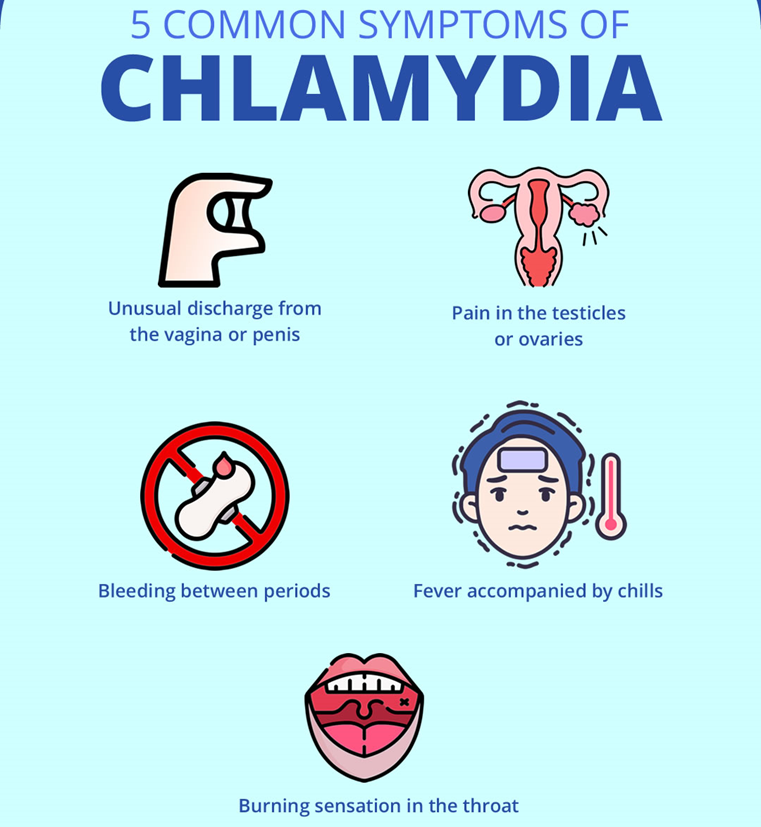
Choice A reason: Chlamydia is a reportable infection to the state health department. Chlamydia is a sexually transmitted infection caused by the bacterium Chlamydia trachomatis. It can cause pelvic inflammatory disease, infertility, ectopic pregnancy, and neonatal complications. Reporting chlamydia cases can help to monitor the prevalence, incidence, and trends of the infection, and to implement prevention and control measures.
Choice B reason: Herpes simplex virus is not a reportable infection to the state health department. Herpes simplex virus is a common viral infection that causes oral or genital lesions. It can be transmitted through direct contact with the lesions or the infected fluids. There is no cure for herpes simplex virus, but antiviral medications can reduce the frequency and severity of the outbreaks.
Choice C reason: Group B Streptococcus B hemolytic is not a reportable infection to the state health department. Group B Streptococcus B hemolytic is a type of bacteria that can be found in the gastrointestinal or genital tract of some people. It can cause serious infections in newborns, pregnant women, and people with weakened immune systems. Screening and treatment of pregnant women can prevent the transmission of the bacteria to their babies.
Choice D reason: Human papillomavirus is not a reportable infection to the state health department. Human papillomavirus is a group of viruses that can cause warts or cancers in different parts of the body. It can be transmitted through sexual contact or skin-to-skin contact. There is no treatment for human papillomavirus, but vaccines can prevent some types of the virus that cause cervical cancer and genital warts.
Nursing Test Bank
Naxlex Comprehensive Predictor Exams
Related Questions
Correct Answer is C
Explanation
Choice A reason: Helping the client apply for Medicare is not the best action by the nurse, as Medicare is a federal health insurance program for people who are 65 or older, disabled, or have end-stage renal disease. The client does not meet any of these criteria and may not be eligible for Medicare.
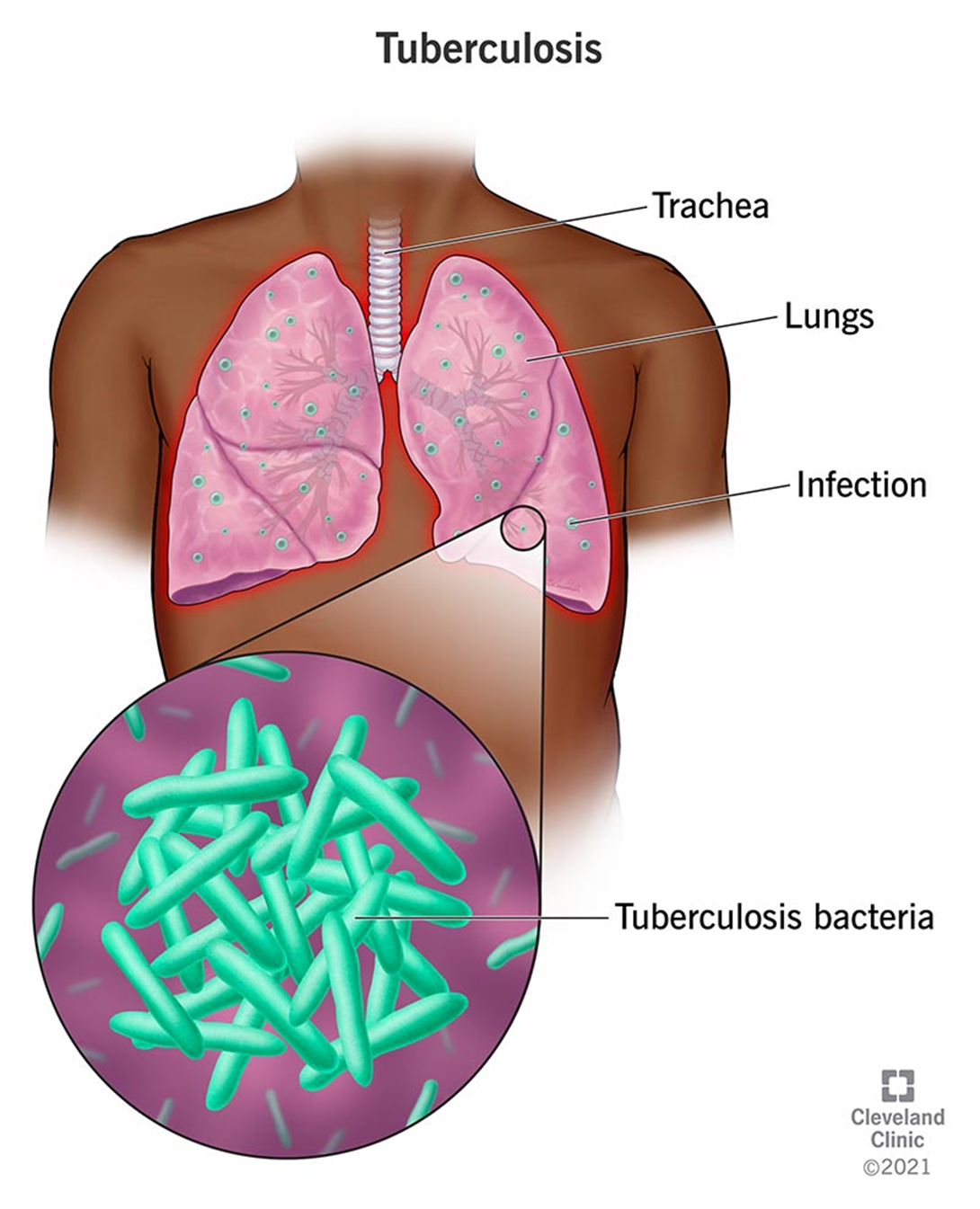
Choice B reason: Exploring options for alternative therapies is not the best action by the nurse, as alternative therapies may not be effective or safe for treating tuberculosis. Tuberculosis is a serious bacterial infection that requires specific antibiotics to cure. Alternative therapies may also interfere with the prescribed medication or cause adverse effects.
Choice C reason: Arranging for medication through local agencies is the best action by the nurse, as it ensures that the client receives the appropriate treatment for tuberculosis. Local agencies may have programs or resources that can help the client access free or low-cost medication. The nurse should also educate the client about the importance of adhering to the medication regimen and completing the course of treatment.
Choice D reason: Sending the client to the nearest facility for further evaluation is not the best action by the nurse, as it may delay the initiation of treatment and increase the risk of transmission of tuberculosis to others. The client already has a diagnosis of tuberculosis and needs to start the treatment as soon as possible. The nurse should also advise the client to wear a mask and avoid close contact with others until the infection is no longer contagious.
Correct Answer is D
Explanation
Choice A reason: Encouraging the family to join a support group is not the first action that the nurse should take. This is an important intervention that can help the family cope with the challenges and stress of caring for a client who has dementia, but it should be done after the nurse has established rapport and trust with the family.
Choice B reason: Providing the family with information about respite care is not the first action that the nurse should take. This is an important intervention that can help the family access temporary relief from their caregiving responsibilities, but it should be done after the nurse has assessed the family's needs and preferences.
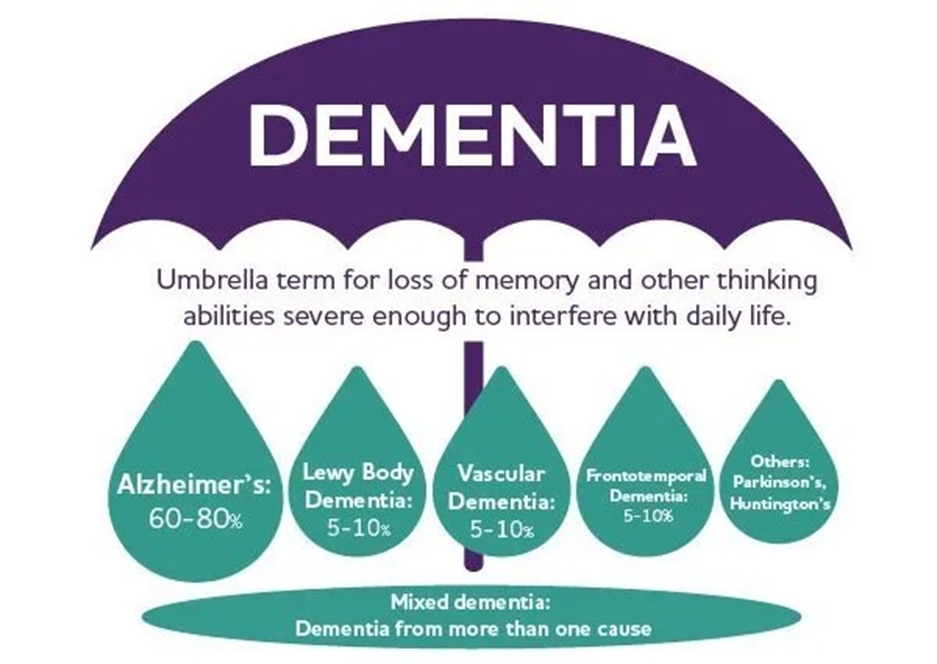
Choice C reason: Educating the family regarding the progression of dementia is not the first action that the nurse should take. This is an important intervention that can help the family understand the nature and course of the disease, and prepare them for the future changes and challenges, but it should be done after the nurse has evaluated the family's level of knowledge and readiness to learn.
Choice D reason: Engaging the family in informal conversation is the first action that the nurse should take. This is based on the principle of communication, which states that the nurse should initiate and maintain a therapeutic relationship with the client and the family. The nurse should use informal conversation to introduce herself, express interest and empathy, and create a comfortable and respectful atmosphere. The nurse should also use open-ended questions, active listening, and nonverbal cues to elicit the family's concerns, expectations, and goals.
Whether you are a student looking to ace your exams or a practicing nurse seeking to enhance your expertise , our nursing education contents will empower you with the confidence and competence to make a difference in the lives of patients and become a respected leader in the healthcare field.
Visit Naxlex, invest in your future and unlock endless possibilities with our unparalleled nursing education contents today