
A nurse is preparing an educational program about breastfeeding for a group of new parents. The nurse should use which of the following instructional strategies to promote psychomotor learning?
Review flashcards that identify holding techniques with the group.
Show the group a video on breastfeeding techniques.
Facilitate a discussion group about the benefits of breastfeeding.
Provide dolls for the participants to demonstrate positioning.
The Correct Answer is D
Choice A reason: Reviewing flashcards that identify holding techniques with the group is not an instructional strategy that the nurse should use to promote psychomotor learning. This is a cognitive strategy that can help the participants to recall and recognize the information, but it does not involve the practice or performance of the skills.
Choice B reason: Showing the group a video on breastfeeding techniques is not an instructional strategy that the nurse should use to promote psychomotor learning. This is an affective strategy that can help the participants to observe and appreciate the techniques, but it does not involve the practice or performance of the skills.
Choice C reason: Facilitating a discussion group about the benefits of breastfeeding is not an instructional strategy that the nurse should use to promote psychomotor learning. This is an affective strategy that can help the participants to express and share their opinions and feelings, but it does not involve the practice or performance of the skills.
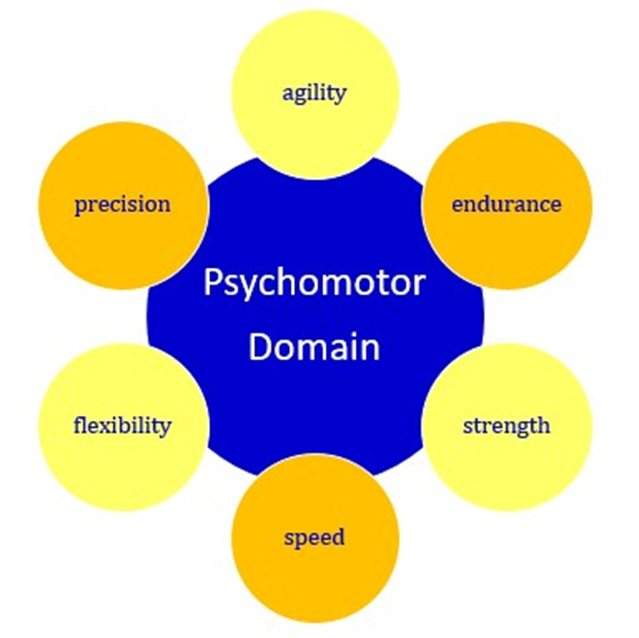
Choice D reason: Providing dolls for the participants to demonstrate positioning is an instructional strategy that the nurse should use to promote psychomotor learning. This is a psychomotor strategy that can help the participants to apply and practice the skills in a simulated setting, and to receive feedback and guidance from the nurse.
Nursing Test Bank
Naxlex Comprehensive Predictor Exams
Related Questions
Correct Answer is C
Explanation
Choice A reason: One dose of the immunization does not give children lifelong protection from hepatitis B. The immunization requires a series of three or four doses, depending on the vaccine type, to provide long-term immunity. The first dose is usually given at birth, followed by the second dose at 1 to 2 months of age, and the third dose at 6 to 18 months of age. Some children may need a fourth dose at 4 to 6 years of age.
Choice B reason: Hepatitis B does not spread easily among children through casual contact. Hepatitis B is a blood-borne infection that is transmitted through exposure to infected blood or body fluids, such as through sexual contact, sharing needles, or from mother to child during birth. Casual contact, such as hugging, kissing, or sharing food, does not pose a risk of transmission.
Choice C reason: Many people who acquire acute hepatitis B develop chronic hepatitis. Chronic hepatitis is a condition where the infection persists for more than six months and causes inflammation and scarring of the liver. Chronic hepatitis can lead to serious complications, such as cirrhosis, liver failure, or liver cancer. About 90% of infants, 25% to 50% of children aged 1 to 5 years, and 5% to 10% of adults who get infected with hepatitis B will develop chronic hepatitis.
Choice D reason: People who have had a hepatitis B infection do not need the immunization. The immunization is only effective in preventing the infection, not treating it. People who have had a hepatitis B infection will develop natural immunity, which means they will not get infected again. However, they should still be monitored for any signs of liver damage or complications.
Correct Answer is A
Explanation
Choice A reason: Early detection of disease is the primary goal of screening for lipid disorders, as it can identify clients who are at risk of developing cardiovascular diseases, such as coronary artery disease, stroke, or peripheral artery disease. Lipid disorders are abnormal levels of cholesterol or triglycerides in the blood, which can lead to plaque buildup in the arteries and reduce blood flow to the heart, brain, or limbs. Screening for lipid disorders can help diagnose and treat these conditions before they cause serious complications.
Choice B reason: Client enrollment in prevention programs is not the primary goal of screening for lipid disorders, although it is a beneficial outcome. Prevention programs are interventions that aim to reduce the risk factors or prevent the onset of diseases. Client enrollment in prevention programs may be a result of screening for lipid disorders, as clients who have abnormal lipid levels may be referred to programs that offer education, counseling, medication, or lifestyle modification.
Choice C reason: Promotion of appropriate lifestyle changes is not the primary goal of screening for lipid disorders, although it is a beneficial outcome. Lifestyle changes are behaviors that can improve health and well-being, such as eating a balanced diet, exercising regularly, quitting smoking, or managing stress. Promotion of appropriate lifestyle changes may be a result of screening for lipid disorders, as clients who have abnormal lipid levels may be advised to adopt healthier habits to lower their cholesterol or triglycerides.
Choice D reason: Identification of family history of medical problems is not the primary goal of screening for lipid disorders, although it is a beneficial outcome. Family history of medical problems is a genetic or environmental factor that can increase the likelihood of developing certain diseases. Identification of family history of medical problems may be a result of screening for lipid disorders, as clients who have abnormal lipid levels may be asked to provide information about their relatives' health conditions.
Whether you are a student looking to ace your exams or a practicing nurse seeking to enhance your expertise , our nursing education contents will empower you with the confidence and competence to make a difference in the lives of patients and become a respected leader in the healthcare field.
Visit Naxlex, invest in your future and unlock endless possibilities with our unparalleled nursing education contents today