
A nurse is caring for a client who is having difficulty performing activities of daily living. The nurse is functioning in which of the following roles when arranging for an occupational therapist to visit the client?
Administrator.
Nurse consultant.
Case manager.
Clinician.
The Correct Answer is C
Choice A reason: Administrator is not the role that the nurse is functioning in when arranging for an occupational therapist to visit the client. An administrator is a nurse who is responsible for planning, organizing, directing, and controlling the delivery of health care services within an organization or a unit.
Choice B reason: Nurse consultant is not the role that the nurse is functioning in when arranging for an occupational therapist to visit the client. A nurse consultant is a nurse who provides expert advice and guidance to clients, organizations, or other health care professionals on specific issues or problems.
Choice C reason: Case manager is the role that the nurse is functioning in when arranging for an occupational therapist to visit the client. A case manager is a nurse who coordinates the care of a client across the continuum of health care settings and services. A case manager assesses the client's needs, develops a plan of care, facilitates the delivery of appropriate interventions, and evaluates the outcomes.
Choice D reason: Clinician is not the role that the nurse is functioning in when arranging for an occupational therapist to visit the client. A clinician is a nurse who provides direct care to clients in various settings, such as hospitals, clinics, or homes. A clinician performs assessments, diagnoses, treatments, and evaluations of the client's health status.
Nursing Test Bank
Naxlex Comprehensive Predictor Exams
Related Questions
Correct Answer is ["A","B","E"]
Explanation
Choice A reason: You should avoid sexual contact until therapy is complete. This is to prevent the transmission of the infection to others, and to avoid reinfection or complications. The usual treatment for chlamydia is a single dose of an antibiotic, such as azithromycin or doxycycline. You should abstain from sexual activity for at least 7 days after taking the medication.
Choice B reason: Notify anyone with whom you have had sexual contact over the past 2 months. This is to inform them of their possible exposure to the infection, and to encourage them to get tested and treated if necessary. Chlamydia is a sexually transmitted infection that can cause pelvic inflammatory disease, infertility, ectopic pregnancy, and neonatal complications. It can also increase the risk of acquiring or transmitting other STIs, such as HIV.
Choice C reason: You will need to take an antiviral medication for 30 days. This is not a correct information that the nurse should include in the teaching. Chlamydia is a bacterial infection, not a viral infection. Antiviral medications are not effective against chlamydia, and are not indicated for its treatment.
Choice D reason: Once you complete treatment, you will have an acquired immunity against chlamydia. This is not a correct information that the nurse should include in the teaching. Chlamydia does not confer immunity, and you can get infected again if you are exposed to the bacteria. You should get tested for chlamydia at least once a year, or more often if you have multiple or new sexual partners.
Choice E reason: You might experience painful urination until the infection has resolved. This is a correct information that the nurse should include in the teaching. Chlamydia can cause inflammation and irritation of the urethra, which can result in dysuria, or painful or difficult urination. Other symptoms of chlamydia may include abnormal vaginal or penile discharge, lower abdominal pain, bleeding between periods, or pain during sex. However, some people may not have any symptoms, and may not know they are infected. Therefore, it is important to get tested regularly and to use condoms to prevent the spread of the infection.
Correct Answer is D
Explanation
Choice A reason: Oliguria is not a condition that a nurse should expect in a client who has hypoglycemia. Oliguria is a reduced urine output, typically defined as less than 0.5 ml/kg/hour in an adult³. Oliguria can be a sign of dehydration, kidney failure, or urinary obstruction, but it is not related to low blood sugar levels.
Choice B reason: Diplopia is not a condition that a nurse should expect in a client who has hypoglycemia. Diplopia is a double vision, or seeing two images of a single object. Diplopia can be caused by various eye problems, such as strabismus, cataracts, or nerve damage, but it is not a common symptom of low blood sugar levels.
Choice C reason: Hypoglycemia is not a condition that a nurse should expect in a client who has hypoglycemia. Hypoglycemia is the condition itself, not a symptom. Hypoglycemia is a low blood sugar level, usually below 70 mg/dl. Hypoglycemia can result from taking too much insulin or other diabetes medications, skipping or delaying meals, exercising more than usual, or drinking alcohol.
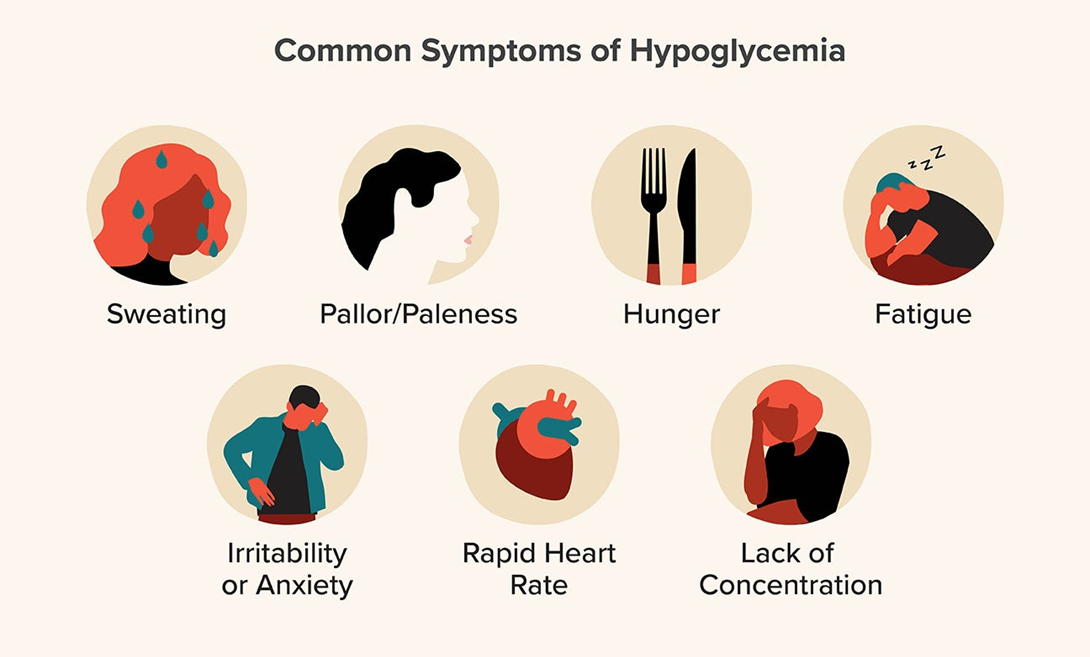
Choice D reason: Dizziness is a condition that a nurse should expect in a client who has hypoglycemia. Dizziness is a feeling of lightheadedness, faintness, or unsteadiness. Dizziness can occur when the brain does not receive enough glucose, which is its main energy source. Dizziness can also be accompanied by other symptoms of hypoglycemia, such as confusion, hunger, sweating, shakiness, or weakness.
Whether you are a student looking to ace your exams or a practicing nurse seeking to enhance your expertise , our nursing education contents will empower you with the confidence and competence to make a difference in the lives of patients and become a respected leader in the healthcare field.
Visit Naxlex, invest in your future and unlock endless possibilities with our unparalleled nursing education contents today