
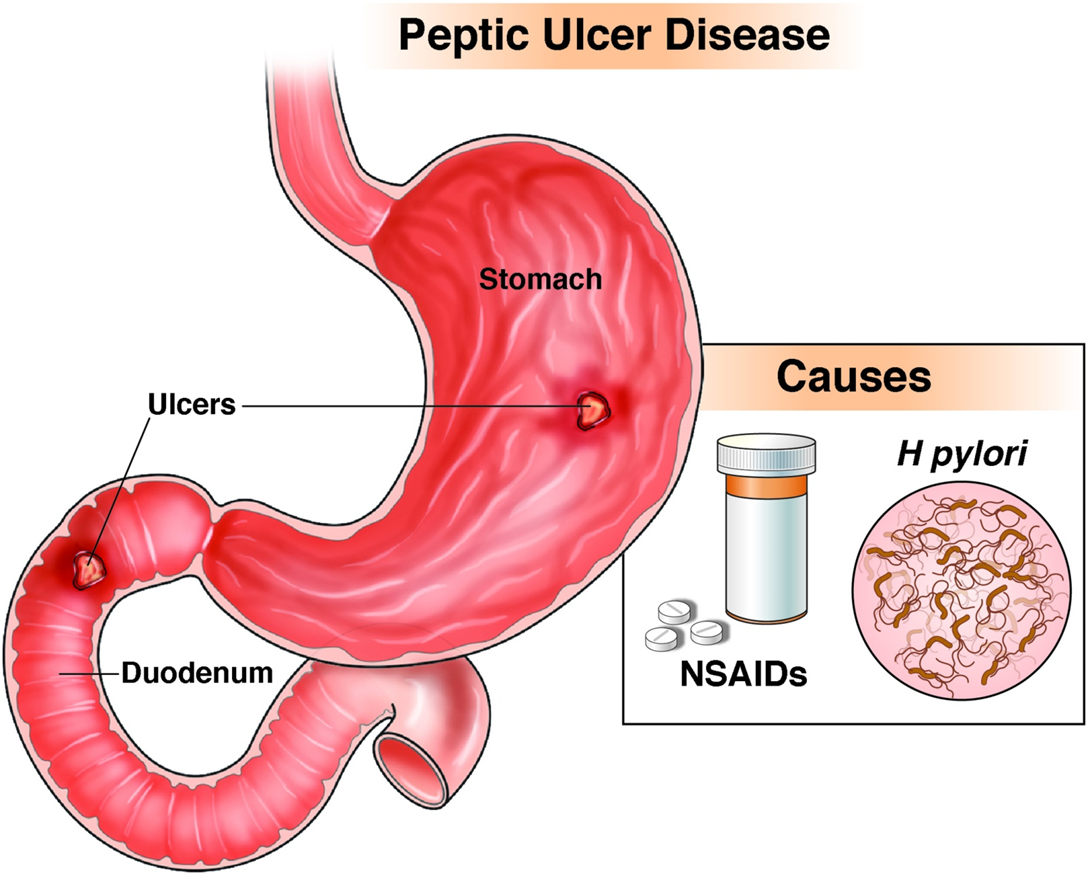
A nurse is reviewing the medical record of a client who has a peptic ulcer. Which of the following findings should the nurse identify as a risk factor for this condition?
History of bulimia.
Drinks green tea.
Consumes spicy foods 5 to 8 times weekly.
History of ibuprofen use.
The Correct Answer is D
Choice A reason: While bulimia can contribute to gastrointestinal issues, it is not as directly linked to peptic ulcers as the use of nonsteroidal anti-inflammatory drugs (NSAIDs).
Choice B reason: Drinking green tea is not typically associated with an increased risk of peptic ulcers.
Choice C reason: Consuming spicy foods is a commonly believed risk factor, but it is not supported by strong evidence as a direct cause of peptic ulcers.
Choice D reason: The use of NSAIDs, such as ibuprofen, is a well-established risk factor for the development of peptic ulcers due to their effect on the stomach lining.
Nursing Test Bank
Naxlex Comprehensive Predictor Exams
Related Questions
Correct Answer is C
Explanation
Choice A reason: Hypertension is not typically a direct complication of inhaled anesthetics.
Choice B reason: Urinary retention can occur postoperatively but is not specifically associated with inhaled anesthetics.
Choice C reason: Laryngospasm is a potential complication of inhaled anesthetics, which can occur due to irritation of the airway during anesthesia.
Choice D reason: Anxiety is not a complication of inhaled anesthetics; it is more likely to be associated with preoperative stress.
Correct Answer is B
Explanation
Choice A reason: Extending the scheduled time could reinforce the client's resistance to discussing feelings until the end of the session, which is not therapeutic.
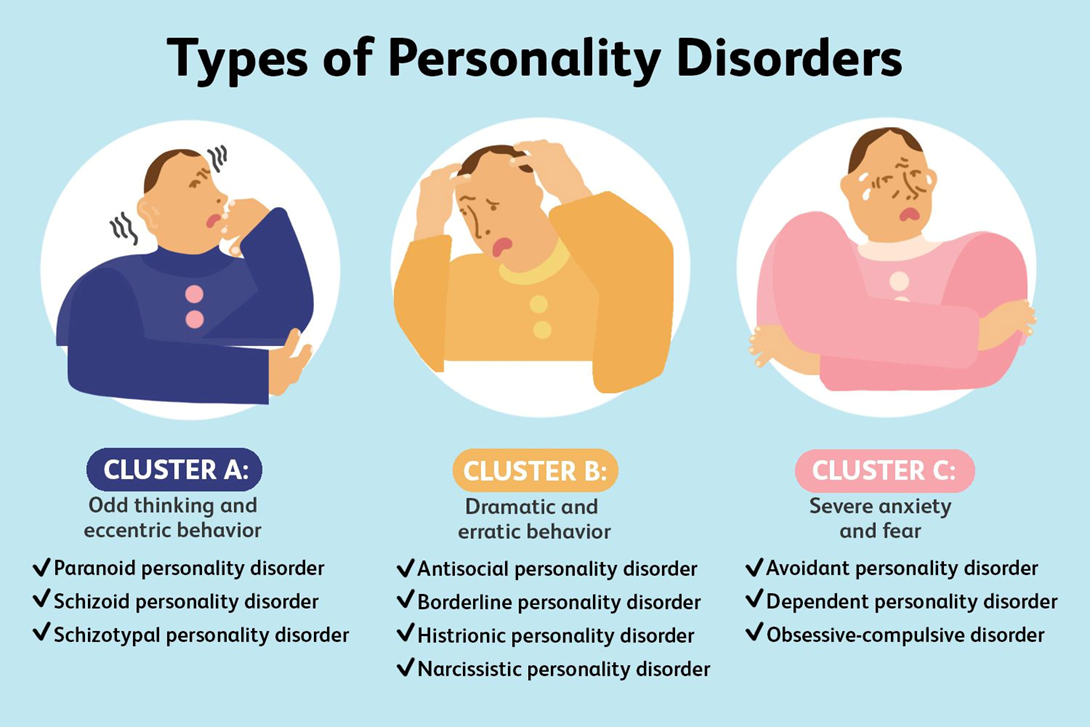
Choice B reason: Ending at the scheduled time maintains boundaries and structure, which are important in the therapeutic relationship, especially with clients who have personality disorders.
Choice C reason: Arranging for another nurse to continue the interview may disrupt the continuity of care and the therapeutic relationship.
Choice D reason: Setting an extra meeting time could be considered if the client's needs are urgent, but it is not the best option in this scenario as it may reinforce avoidance behaviors.
Whether you are a student looking to ace your exams or a practicing nurse seeking to enhance your expertise , our nursing education contents will empower you with the confidence and competence to make a difference in the lives of patients and become a respected leader in the healthcare field.
Visit Naxlex, invest in your future and unlock endless possibilities with our unparalleled nursing education contents today