
While making rounds, the charge nurse notices that a young adult client with asthma who was admitted yesterday is sitting on the side of the bed and leaning over the bed-side table. The client is currently receiving oxygen at 2 liters/minute via nasal cannula. The client is wheezing and is using pursed lip breathing. Which intervention should the nurse implement?
Increase oxygen to 6 liters/minute.
Call for an Ambu resuscitation bag.
Instruct the client to lie back in bed.
Administer a nebulizer treatment.
The Correct Answer is D
Choice A reason: Increasing oxygen to 6 liters/minute is not an intervention that the nurse should implement, as this can worsen the bronchospasm and hypoxia by reducing the hypoxic drive and causing carbon dioxide retention. This is a contraindicated choice.
Choice B reason: Calling for an Ambu resuscitation bag is not an intervention that the nurse should implement, as this is not indicated for a client who is conscious and breathing spontaneously. This is an overreaction choice.
Choice C reason: Instructing the client to lie back in bed is not an intervention that the nurse should implement, as this can increase respiratory distress and compromise airway clearance by reducing lung expansion and increasing abdominal pressure. This is another contraindicated choice.
Choice D reason: Administering a nebulizer treatment is an intervention that the nurse should implement, as this can deliver bronchodilators and anti-inflammatory agents directly to the airways and improve ventilation and oxygenation for this client. Therefore, this is the correct choice.
Nursing Test Bank
Naxlex Comprehensive Predictor Exams
Related Questions
Correct Answer is D
Explanation
Choice A reason: Advising the client to place one nitroglycerin tablet under his tongue as a precaution is a dangerous action for the nurse, as this can cause severe hypotension and cardiovascular collapse due to the interaction between tadalafil and nitroglycerin. This is a contraindicated choice.
Choice B reason: Telling the client to have someone bring him to an emergency department immediately is an unnecessary action for the nurse, as there is no evidence of any serious adverse reaction or complication from tadalafil. This is an overreaction choice.
Choice C reason: Instructing the client to increase his intake of oral fluids until the skin flushing is relieved is not an appropriate action for the nurse, as this does not address the cause of the flushing, which is vasodilation due to tadalafil. This is a distractor choice.
Choice D reason: Reassuring the client that skin flushing is a common side effect of the medication is an appropriate action for the nurse, as this can calm the client and educate him about the expected effects of tadalafil. Therefore, this is the correct choice.
Correct Answer is A
Explanation
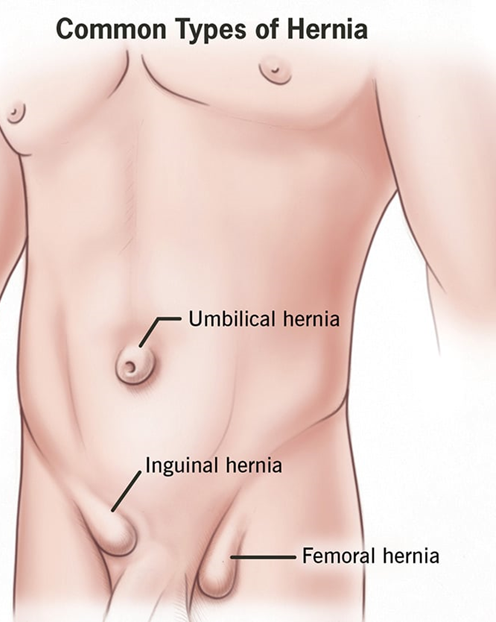
Choice A reason: This hernia is a normal variation that resolves without treatment is a correct explanation for the nurse to provide, as this refers to an umbilical hernia, which is a common and harmless condition in infants that usually disappears by age 2. Therefore, this is the correct choice.
Choice B reason: An abdominal binder can be worn daily to reduce the protrusion is not an appropriate explanation for the nurse to provide, as this is not an effective or recommended method to treat a hernia. This is a distractor choice.
Choice C reason: Restrictive clothing will be adequate to help the hernia go away is not a relevant explanation for the nurse to provide, as this does not affect the hernia or its resolution. This is another distractor choice.
Choice D reason: The quarter should be secured with an elastic bandage wrap is not a sensible explanation for the nurse to provide, as this is a folk remedy that has no scientific basis and can cause skin irritation and infection. This is another distractor choice.
Whether you are a student looking to ace your exams or a practicing nurse seeking to enhance your expertise , our nursing education contents will empower you with the confidence and competence to make a difference in the lives of patients and become a respected leader in the healthcare field.
Visit Naxlex, invest in your future and unlock endless possibilities with our unparalleled nursing education contents today