
The nurse is assessing a patient with gastroesophageal reflux disease (GERD). Which finding would the nurse expect to observe? Select all that apply. One, some, or all responses may be correct.
Excessive salivation
Dyspepsia
Regurgitation
Blood-tinged sputum
Flatulence
Correct Answer : B,C,E
Choice A Reason:
Excessive salivation, also known as water brash, can occur in some cases of GERD, but it is not one of the most common symptoms. Water brash happens when the body produces extra saliva to neutralize the acid in the esophagus. While it can be associated with GERD, it is not as prevalent as other symptoms like heartburn or regurgitation.
Choice B Reason:
Dyspepsia, or indigestion, is a common symptom of GERD. It includes discomfort or pain in the upper abdomen, bloating, and nausea. Dyspepsia occurs because the stomach acid irritates the lining of the esophagus and stomach, leading to these uncomfortable sensations. Therefore, dyspepsia is a typical finding in patients with GERD.
Choice C Reason:
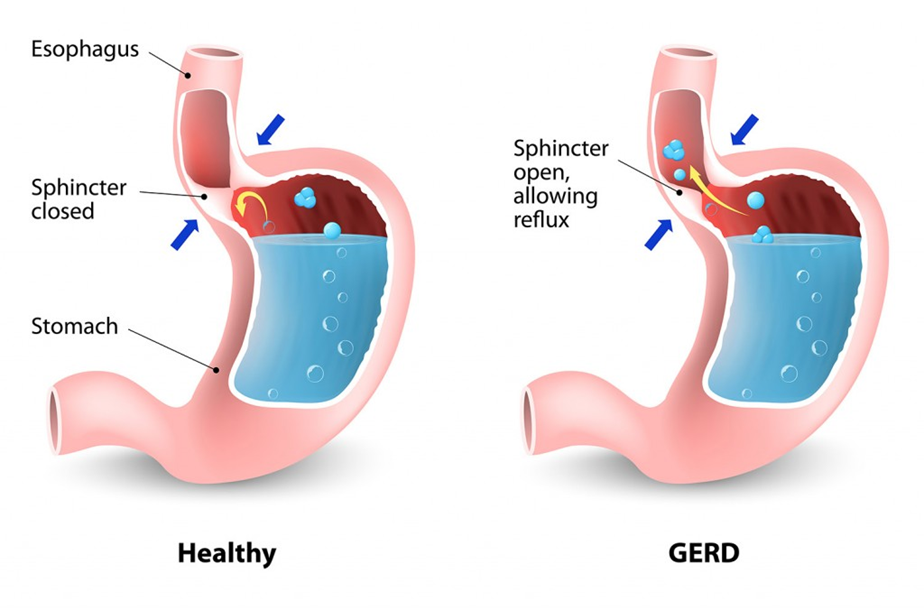
Regurgitation is a hallmark symptom of GERD. It involves the backflow of stomach contents into the esophagus and sometimes into the mouth, causing a sour or bitter taste. This symptom is due to the weakening or relaxation of the lower esophageal sphincter, which allows stomach acid to escape into the esophagus.
Choice D Reason:
Blood-tinged sputum is not a common symptom of GERD. While severe cases of GERD can lead to complications such as esophagitis or esophageal ulcers, which might cause bleeding, this is not typical in most GERD cases. Blood-tinged sputum would warrant further investigation to rule out other conditions such as infections or malignancies.
Choice E Reason:
Flatulence, or excessive gas, can be associated with GERD. The digestive process can be affected by the reflux of stomach acid, leading to increased gas production and bloating. While not as prominent as dyspepsia or regurgitation, flatulence can still be a symptom experienced by patients with GERD.
Nursing Test Bank
Naxlex Comprehensive Predictor Exams
Related Questions
Correct Answer is C
Explanation
Choice A reason:
Strict monitoring of hourly intake and output is important for managing fluid balance and detecting potential complications such as dehydration or fluid overload1. However, it is not the highest priority in the acute phase of bacterial meningitis. The primary concern is to monitor for signs of increased intracranial pressure (ICP) and neurological deterioration.
Choice B reason:
Managing pain through drug and non-drug methods is essential for patient comfort and overall well-being. Pain management can help reduce stress and improve the patient’s ability to rest and recover. However, it is not the highest priority compared to monitoring neurological status, which can provide early indications of complications such as increased ICP or seizures.
Choice C reason:
Assessing neurological status at least every 2 to 4 hours is the highest priority for a client with bacterial meningitis. This frequent assessment helps detect early signs of neurological deterioration, increased ICP, and other complications. Early detection and intervention are crucial in preventing severe outcomes and improving the patient’s prognosis.
Choice D reason:
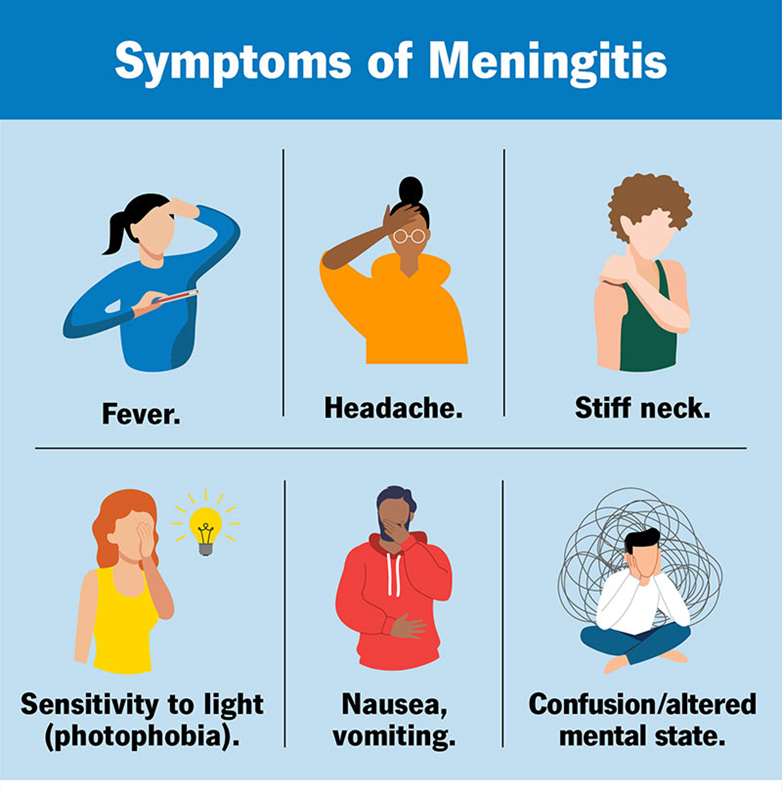
Decreasing environmental stimuli is important to reduce stress and prevent exacerbation of symptoms such as headache and photophobia. While this intervention is beneficial, it is not as critical as frequent neurological assessments in the acute management of bacterial meningitis.
Correct Answer is A
Explanation
Choice A Reason:
Occasional palpitations are a common symptom of supraventricular tachycardia (SVT) with a non-sustained ventricular response. Palpitations are sensations of a rapid, fluttering, or pounding heartbeat, which occur due to the irregular and fast heart rate characteristic of SVT. These palpitations can be intermittent and may vary in intensity, often causing discomfort and anxiety in patients.
Choice B Reason:
Weakness can be associated with SVT, but it is not as specific or common as palpitations. Weakness may occur due to the reduced cardiac output and decreased perfusion to the muscles during episodes of rapid heart rate. However, it is not the primary symptom that nurses would anticipate in patients with SVT.
Choice C Reason:
Shortness of breath is another symptom that can occur with SVT, especially during prolonged episodes. The rapid heart rate can lead to decreased efficiency in blood circulation, causing the patient to feel breathless. While shortness of breath is a significant symptom, palpitations are more directly associated with the diagnosis of SVT.
Whether you are a student looking to ace your exams or a practicing nurse seeking to enhance your expertise , our nursing education contents will empower you with the confidence and competence to make a difference in the lives of patients and become a respected leader in the healthcare field.
Visit Naxlex, invest in your future and unlock endless possibilities with our unparalleled nursing education contents today