
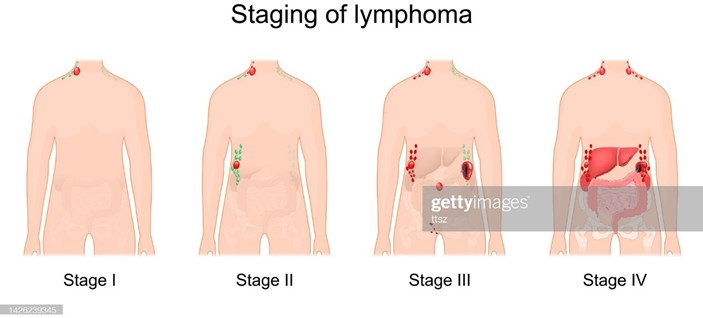
The healthcare provider informs an 18-year-old male client that he has Hodgkin's disease. When the practical nurse (PN) enters the room, the client shouts, "Get out of here! I don't want to see anyone! I just want to die!" Which initial response should the PN make?
Can I call your parents for you? I know that you are feeling bad right now.
Would you like me to call your friends to be with you while you're dealing with this news?
Would you like me to call your chaplain?
Tell me about what the healthcare provider said.
The Correct Answer is D
The PN should acknowledge the client's emotional state and allow him to express his feelings while also obtaining more information about the situation. By asking the client to share what he was told by the healthcare provider, the PN can gain a better understanding of the client's knowledge of the disease and provide appropriate education and support. Options A, B, and C are incorrect because they do not address the client's emotional state or provide helpful information to the PN in this situation.
Nursing Test Bank
Naxlex Comprehensive Predictor Exams
Related Questions
Correct Answer is B
Explanation
Repeated visits to multiple emergency departments for various injuries or complaints can be a red flag for possible child abuse. The other options may indicate other issues or concerns, but they do not provide as much reason to suspect child abuse as the history of repeated visits to different emergency departments. It is important for healthcare providers to remain vigilant for signs of child abuse and to report any suspicions to the appropriate authorities.
Correct Answer is C
Explanation
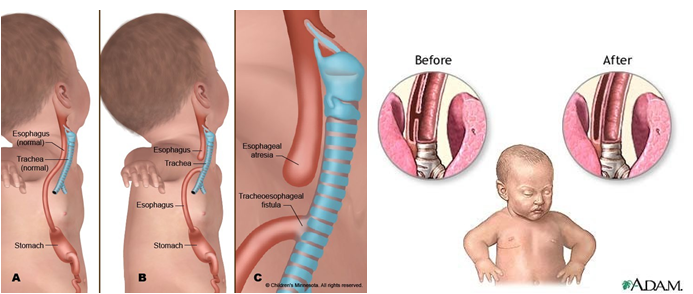
During gastrostomy (GT) feedings for a newborn infant with a tracheo-esophageal repair, the practical nurse (PN) should offer a pacifier to satiate the sucking reflex associated with feedings. Sucking is a natural reflex for infants and providing a pacifier during feedings can help satisfy this need and promote comfort. The other interventions listed may also be important to implement during GT feedings, but offering a pacifier to satiate the sucking reflex is the most appropriate intervention in this situation.
Whether you are a student looking to ace your exams or a practicing nurse seeking to enhance your expertise , our nursing education contents will empower you with the confidence and competence to make a difference in the lives of patients and become a respected leader in the healthcare field.
Visit Naxlex, invest in your future and unlock endless possibilities with our unparalleled nursing education contents today