
The parents of a child with acute glomerulonephritis are describing to the practical nurse (PN) what originally motivated them to seek medical care. Which sign did the child most likely exhibit?
Hematuria.
Weight loss.
Polydipsia.
A sore throat.
The Correct Answer is A
A. Hematuria is the classic clinical hallmark of acute glomerulonephritis that typically prompts parents to seek medical consultation. The presence of red blood cells in the urine often results in a "cola-colored" or smoky appearance due to the leakage of erythrocytes through the inflamed glomerular basement membrane. This visual change is sudden and alarming to caregivers, serving as a primary reason for acute healthcare visits.
B. Weight loss is an unlikely finding in the initial presentation of acute glomerulonephritis. Instead, these children typically experience rapid weight gain and edema due to sodium and water retention caused by a decreased glomerular filtration rate. The clinical manifestation of fluid overload, including periorbital edema and hypertension, is much more characteristic of the acute inflammatory phase than any nutritional or fluid deficit.
C. Polydipsia, or excessive thirst, is not a typical symptom of acute glomerulonephritis and is more commonly associated with diabetes mellitus or diabetes insipidus. In glomerulonephritis, the renal system is struggling to filter and excrete fluid, often leading to oliguria rather than the polyuria that drives thirst. Consequently, parents would be more likely to report a decrease in urinary frequency and volume rather than increased intake.
D. A sore throat is a precursor to post-streptococcal glomerulonephritis but is usually no longer present by the time the renal symptoms manifest. The typical latency period between a Group A beta-hemolytic streptococcal infection and the onset of kidney inflammation is approximately 1 to 3 weeks. While the history of a sore throat is diagnostically significant, the active renal symptoms like hematuria are what usually motivate the immediate visit.
Nursing Test Bank
Naxlex Comprehensive Predictor Exams
Related Questions
Correct Answer is B
Explanation
If the client in active labor expresses a desire to empty her bladder and her vaginal exam is unchanged, the practical nurse (PN) should assist her up to the bathroom. An empty bladder can help facilitate labor progress.
Reviewing the fetal heart rate pattern (A) is important, but it is not the most appropriate action in response to the client's request to empty her bladder. Checking the perineum for changes in "show" or discharge (C) is also important, but it is not the most appropriate action in this situation. Obtaining a straight catheter kit to empty the client's bladder (D) may be necessary if she is unable to empty her bladder on her own, but assisting her up to the bathroom should be attempted first.
Correct Answer is B
Explanation
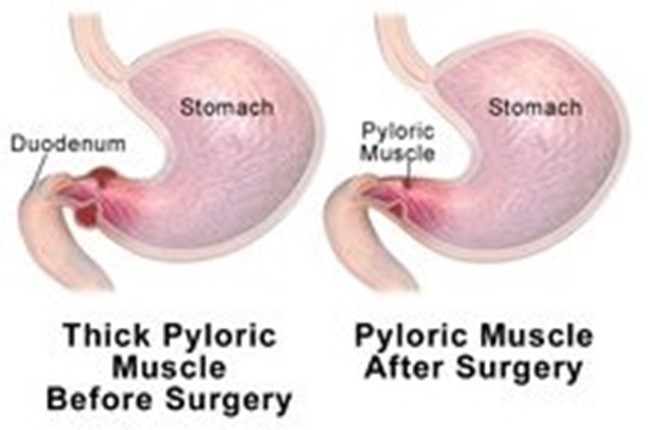
The infant's symptoms are consistent with postoperative pain, which can be expected following a surgical procedure like pyloromyotomy. The PN should administer the prescribed analgesic medication to relieve the infant's discomfort and pain. It is crucial to manage pain appropriately in infants to promote healing, improve feeding tolerance, and prevent complications.
Option A is not appropriate as the infant's symptoms are not indicative of hypoglycemia.
Option C is not appropriate as the infant's symptoms do not indicate hypothermia.
Option D is not appropriate as the infant's symptoms do not indicate dehydration.
Whether you are a student looking to ace your exams or a practicing nurse seeking to enhance your expertise , our nursing education contents will empower you with the confidence and competence to make a difference in the lives of patients and become a respected leader in the healthcare field.
Visit Naxlex, invest in your future and unlock endless possibilities with our unparalleled nursing education contents today