
The practical nurse (PN) is caring for a client in the preoperative holding area who is waiting for abdominal surgery. The client tells the PN about feeling afraid and anxious because of the surgery. Which technique is best for the PN to assist the client to use while waiting for surgery?
Mindfulness.
Guided imagery.
Biofeedback.
Cognitive reframing.
The Correct Answer is B
Guided imagery is a technique that can help the client to relax and reduce anxiety by imagining a peaceful and calming scene. This technique can be helpful for clients waiting for surgery to reduce stress and promote relaxation.
Option A (mindfulness) may also be helpful, but it may require more practice and preparation than guided imagery.
Option C (biofeedback) may not be feasible in the preoperative holding area, and
Option D (cognitive reframing) may not be helpful in the immediate preoperative period.
Therefore, options A, C, and D are not answers because they may not be the most effective technique to help the client in the preoperative holding area.
Nursing Test Bank
Naxlex Comprehensive Predictor Exams
Related Questions
Correct Answer is B
Explanation
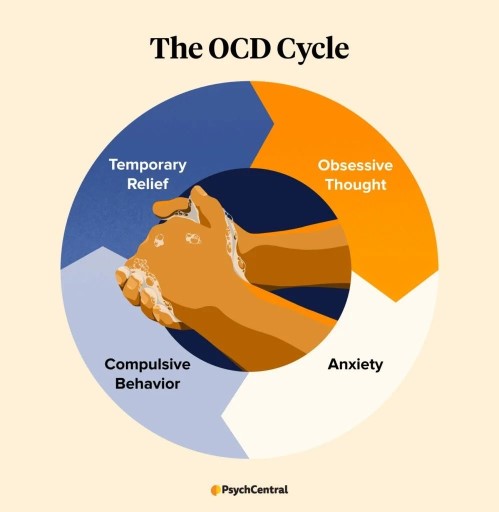
This is the most appropriate intervention for the PN to implement when approaching a client who is exhibiting compulsive behavior. By allowing time for the behavior, the PN acknowledges the client's need to perform the behavior and avoids creating further stress for the client. Redirecting the client to other activities can also help to refocus the client's behavior and prevent further compulsive behavior.
Encouraging the client to be calm and relax for a little while (A) may not be effective in managing the compulsive behavior.
Teaching the client thought-stopping techniques and ways to refocus behaviors (C) and assisting the client to identify stimuli that precipitate the activity (D) are interventions that may be used in the long term, but they may not be immediately effective in managing the client's behavior in the moment.
Correct Answer is D
Explanation
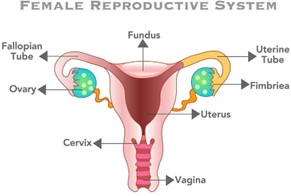
The practical nurse (PN) should first massage the fundus and expel retained lochia and clots to help the uterus contract and prevent postpartum hemorrhage.
Taking the vital signs and opening the IV infusion rate of oxytocin (A) may be necessary but not as urgent as massaging the fundus.
Notifying the registered nurse (RN) that the client's bladder is distended (B) is not relevant to addressing the client's boggy and displaced fundus.
Putting the infant to breast to suckle and stimulate oxytocin secretion (C) is a valid intervention, but it is not the first priority when the client's fundus becomes boggy and displaced above the umbilicus.
Whether you are a student looking to ace your exams or a practicing nurse seeking to enhance your expertise , our nursing education contents will empower you with the confidence and competence to make a difference in the lives of patients and become a respected leader in the healthcare field.
Visit Naxlex, invest in your future and unlock endless possibilities with our unparalleled nursing education contents today