
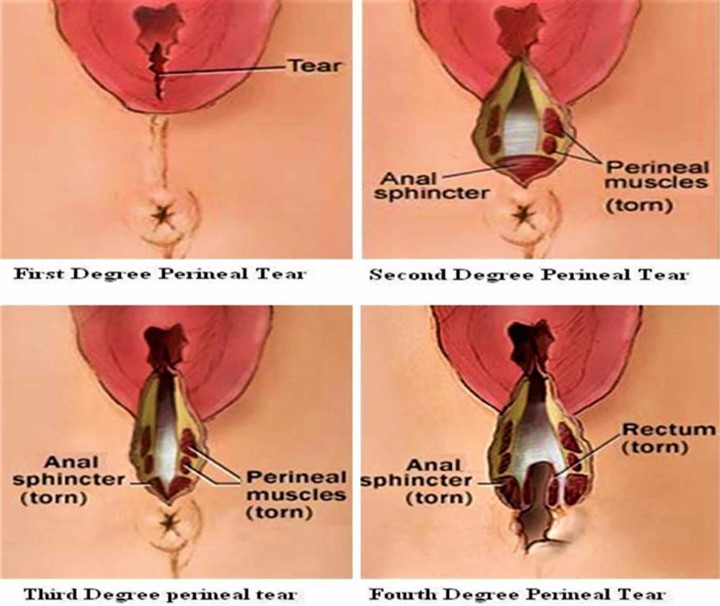
A postpartum client who delivered vaginally 6-hours ago and had a second-degree perineal laceration reports feeling increased pain and pressure in her vaginal area. Which intervention should the practical nurse (PN) implement?
Notify the healthcare provider.
Provide routine perineal care.
Medicate with 800 mg ibuprofen.
Apply an icepack to the perineum.
The Correct Answer is D
If a postpartum client who delivered vaginally 6-hours ago and had a second-degree perineal laceration reports feeling increased pain and pressure in her vaginal area, the practical nurse (PN) should apply an icepack to the perineum.Applying an icepack can help reduce swelling and provide pain relief in the affected area. The PN should also monitor the client's condition and report any changes or concerns to the healthcare provider. The other interventions listed may also be appropriate in some situations, but applying an icepack to the perineum is the most appropriate initial intervention in this situation.
Nursing Test Bank
Naxlex Comprehensive Predictor Exams
Related Questions
Correct Answer is D
Explanation
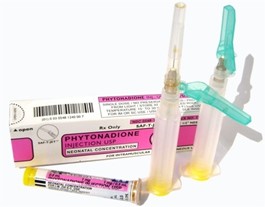
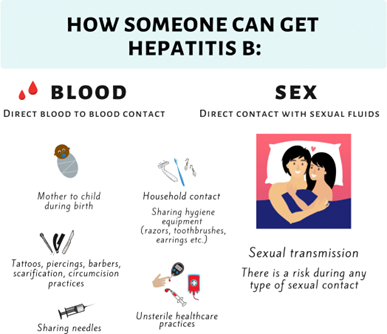
The best response for the PN to provide is that **an immunization may be administered for hepatitis B, and a consent form must be signed**. Phytonadione is a form of vitamin K that is given to newborns to prevent vitamin K deficiency bleeding (VKDB)¹. Vitamin K should be administered to all newborn infants weighing>1500 g as a single, intramuscular dose of 1 mg within 6 hours of birth¹. However, this is not the only injection your baby may receive while in the newborn nursery. An immunization for hepatitis B may also be administered before you can go home⁴.
Correct Answer is D
Explanation
Encouraging the client to initiate daily rituals, such as practicing relaxation techniques, engaging in physical exercise, and spending time with friends and family, can be an effective way to diminish anxiety. These activities can provide a sense of structure and routine that can help to manage stress and anxiety. Options A and C are not recommended because alcohol and caffeine can worsen sleeplessness and anxiety. Option B can be counterproductive and increase the client's anxiety level. Therefore, Option D is the best option to assist this client in diminishing his anxiety.
Therefore, options A, B, and C are not answers because they are not the best action to assist this client in diminishing his anxiety.
Whether you are a student looking to ace your exams or a practicing nurse seeking to enhance your expertise , our nursing education contents will empower you with the confidence and competence to make a difference in the lives of patients and become a respected leader in the healthcare field.
Visit Naxlex, invest in your future and unlock endless possibilities with our unparalleled nursing education contents today