
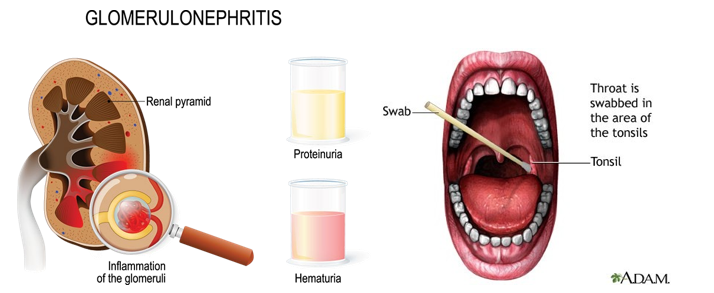
The nurse is assessing a child with acute glomerulonephritis who presents with increased fatigue, facial puffiness, decreased appetite. The child's urine sample is dark yellow in color.
Which additional finding should the nurse report to the healthcare provider?
Positive rapid strep test of oropharynx.
Blood pressure 88/50 mmHg.
Maculopapular rash over trunk of body.
Weight loss.
The Correct Answer is A
The nurse should report a positive rapid strep test of the oropharynx to the healthcare provider. Acute glomerulonephritis is often caused by a recent streptococcal infection, and a positive rapid strep test would confirm this as the underlying cause
A blood pressure of 88/50 mmHg is within the normal range for a child and would not need to be reported.
A maculopapular rash over the trunk of the body is not typically associated with acute glomerulonephritis and would not need to be reported.
Weight loss may occur with acute glomerulonephritis due to decreased appetite, but it is not an urgent finding that needs to be reported immediately.
Nursing Test Bank
Naxlex Comprehensive Predictor Exams
Related Questions
Correct Answer is C
Explanation
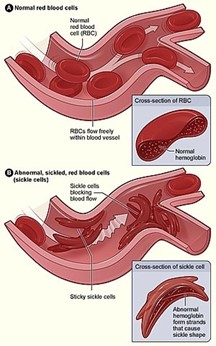
The nurse should report chest pain to the healthcare provider immediately when caring for a child with sickle cell disease who is experiencing a sickle cell crisis. Chest pain can be a sign of acute chest syndrome, a potentially life-threatening complication of sickle cell disease that requires prompt treatment.
Swelling in the hands or feet, ulcers on the legs, and jaundice are common symptoms of sickle cell disease and do not require immediate reporting to the healthcare provider.
Correct Answer is A
Explanation
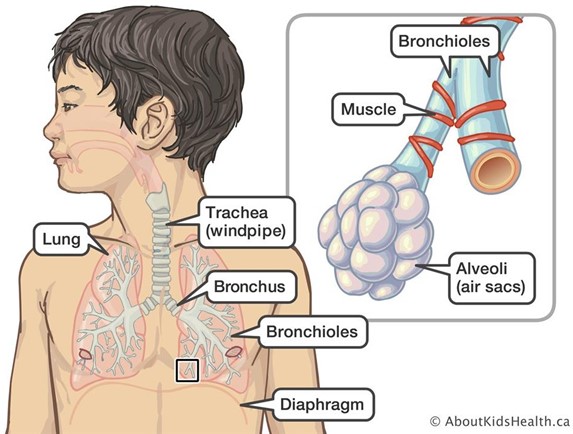
Flaring of the nares is a sign of increased respiratory effort, which is a manifestation of acute respiratory distress. This finding occurs when the child is attempting to draw in more air to meet the increased demand for oxygen.
Bilateral bronchial breath sounds can indicate consolidation or a bronchial obstruction, but they are not specific to acute respiratory distress.
Diaphragmatic respirations are a normal finding and may occur in response to respiratory distress, but they do not necessarily indicate acute respiratory distress.
A resting respiratory rate of 35 breaths/min is within the normal range for a 1-year-old child and does not necessarily indicate acute respiratory distress.
Whether you are a student looking to ace your exams or a practicing nurse seeking to enhance your expertise , our nursing education contents will empower you with the confidence and competence to make a difference in the lives of patients and become a respected leader in the healthcare field.
Visit Naxlex, invest in your future and unlock endless possibilities with our unparalleled nursing education contents today