
The nurse is preparing an older adult client for a magnetic resonance imaging (MRI) with contrast. Which laboratory value should the nurse report to the healthcare provider before the scan is performed?
Reference Range:
Glycosylated Hemoglobin (4% to 5.9% ]
Creatinine 10.6 to 1.2 mg/dL (53 to 106 μmol/L)]
Glucose [74 to 106 mg/dL (4.1 to 5.9 mmol/L)]
Blood Urea Nitrogen [10 to 20 mg/dL (3.6 to 7.1 mmol/L)]
Fasting blood sugar of 200 mg/dl. (11.1 mmol/L).
Serum creatinine of 1.9 mg/dl. (168 μmol/l)
Glycosylated hemoglobin of 8%.
Blood urea nitrogen of 22 mg/dL (7.9 mmol/L)
The Correct Answer is B
B. Creatinine is a waste product of muscle metabolism that is filtered by the kidneys. Elevated serum creatinine levels may indicate impaired kidney function. Since contrast agents can affect renal function, a serum creatinine level above the reference range should be reported to the healthcare provider before the MRI with contrast.
A. While elevated blood sugar levels may indicate diabetes or poor glycemic control, they are not directly related to kidney function or the risk of contrast-induced nephropathy. Therefore, this value is not the most pertinent for reporting before an MRI with contrast.
C. Glycosylated hemoglobin (HbA1c) reflects average blood glucose levels over the past two to three months and is used to assess long-term glycemic control in diabetes. While elevated HbA1c levels suggest poor diabetes management, they do not directly assess kidney function or the risk of contrast-induced nephropathy.
D. Blood urea nitrogen (BUN) levels reflect the amount of urea nitrogen in the blood and can indicate kidney function. Elevated BUN levels may suggest impaired renal function. However, an elevated serum creatinine is a more reliable marker for renal excretion.
Nursing Test Bank
Naxlex Comprehensive Predictor Exams
Related Questions
Correct Answer is B
Explanation
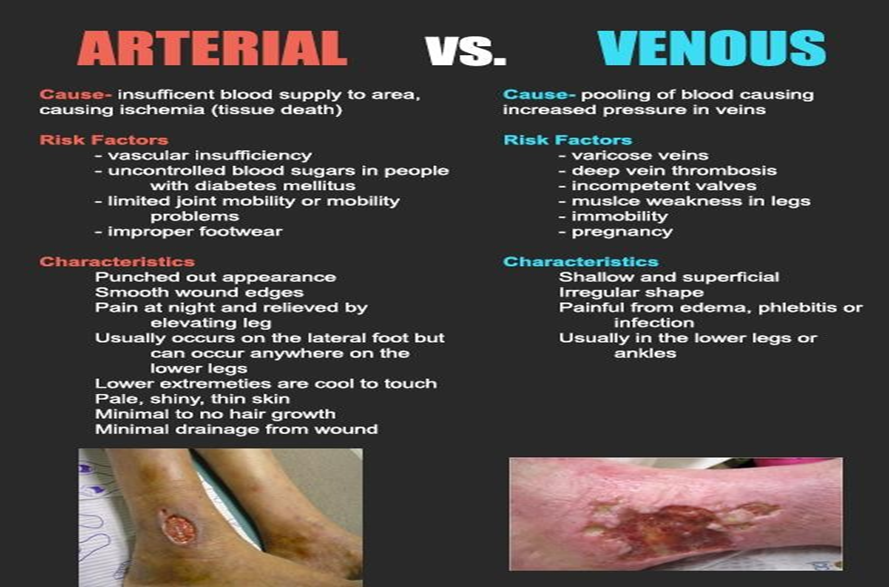
B. Severe edema is a common finding in venous insufficiency and is often present in the lower extremities. Venous hypertension leads to fluid leakage from capillaries, resulting in edema, which contributes to the development of venous ulcers. Venous ulcers typically have irregular shapes with irregular wound margins and may appear shallow or superficial.
A. Absent pedal pulses suggest arterial insufficiency, as reduced blood flow compromises peripheral circulation. Shiny skin, known as "thinning of the skin," is a characteristic finding in arterial insufficiency due to chronic ischemia and tissue hypoxia.
C. Hair loss on the lower extremities is a common finding in arterial insufficiency due to decreased blood flow to the hair follicles.
D. Black ulcers (gangrene) are indicative of tissue necrosis resulting from severe arterial insufficiency and lack of oxygen supply to the tissues. Dependent rubor refers to redness of the lower extremities when the legs are in a dependent position.
Correct Answer is B
Explanation
B. Redness, tenderness, and drainage around the catheter site are classic signs of an exit site infection in peritoneal dialysis. Exit site infections are a common complication of peritoneal dialysis and can lead to more serious complications, such as peritonitis, if not promptly treated. Preventing exit site infections through proper catheter care and hygiene is essential in peritoneal dialysis management.
A. While outflow obstruction can occur in peritoneal dialysis, it typically presents with symptoms such as poor drainage of dialysate fluid, abdominal discomfort, and a decrease in dialysis efficiency. The described findings of redness, tenderness, and drainage around the catheter site are more indicative of a localized issue rather than outflow obstruction.
C. Atelectasis refers to the collapse of a part or the entire lung. While it can occur in hospitalized patients, especially those with underlying respiratory conditions, the described findings are not indicative of atelectasis. Atelectasis typically presents with symptoms such as dyspnea, cough, and decreased breath sounds on auscultation.
D. Peritonitis is a severe complication of peritoneal dialysis characterized by inflammation and infection of the peritoneal lining. While redness, tenderness, and drainage around the catheter site may precede peritonitis, the focus of concern in this scenario is primarily on preventing exit site infection, which, if left untreated, can progress to peritonitis.
Whether you are a student looking to ace your exams or a practicing nurse seeking to enhance your expertise , our nursing education contents will empower you with the confidence and competence to make a difference in the lives of patients and become a respected leader in the healthcare field.
Visit Naxlex, invest in your future and unlock endless possibilities with our unparalleled nursing education contents today