
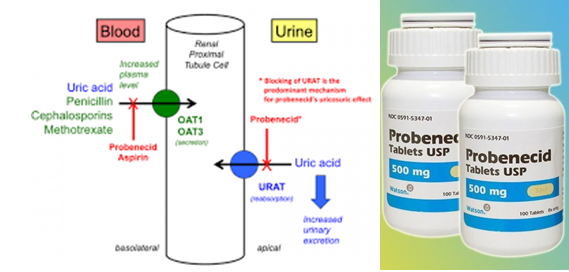
The nurse is providing instructions about a client’s new medication. How should the nurse explain the purpose of probenecid, a uricosuric drug?
Decreases pain during urination.
Increases strength of the urine system.
Promotes excretion of uric acid in the urine.
Prevents formation of kidney stones.
The Correct Answer is C
Probenecid is a uricosuric drug that works by inhibiting the reabsorption of uric acid in the kidneys and promotes its excretion in the urine. This drug is used to treat gout and hyperuricemia (high levels of uric acid in the blood). Therefore, the nurse should explain to the client that the purpose of probenecid is to promote the excretion of uric acid in the urine and lower the levels of uric acid in the blood, which can help prevent gout attacks and kidney stones.
Options a, b, and d are incorrect as they do not accurately describe the mechanism of action or purpose of probenecid.
Nursing Test Bank
Naxlex Comprehensive Predictor Exams
Related Questions
Correct Answer is C
Explanation
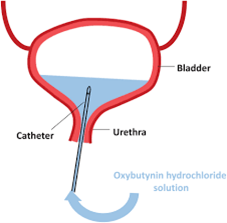
Oxybutynin is a medicine used to treat symptoms of an overactive bladder. One of the side effects of oxybutynin is that it can cause dry mouth, constipation, and dry skin21. These side effects can increase the risk of dehydration. Additionally, oxybutynin can cause flushing and heat stroke. Therefore, it is important for the client to take measures to avoid dehydration and over-heating while training for a marathon.
Correct Answer is A
Explanation
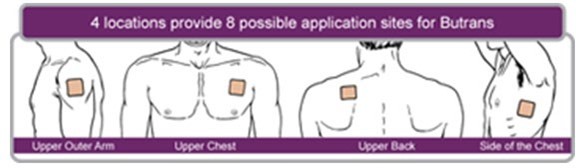
The client’s symptoms of being short of breath and difficult to arouse may indicate an overdose of morphine. The nurse should immediately remove the patches to prevent further absorption of the drug. After removing the patches, the nurse should continue to assess the client’s condition and take further actions as needed, such as administering a narcotic reversal drug or providing oxygen.
Whether you are a student looking to ace your exams or a practicing nurse seeking to enhance your expertise , our nursing education contents will empower you with the confidence and competence to make a difference in the lives of patients and become a respected leader in the healthcare field.
Visit Naxlex, invest in your future and unlock endless possibilities with our unparalleled nursing education contents today