
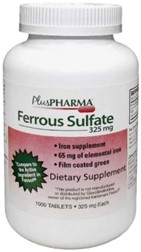
An older adult with iron deficiency anemia is being discharged with a prescription for ferrous sulfate enteric-coated tablets. To promote the best absorption of the medication, which information should the nurse include in the discharge instructions?
Take a tablet with a daily multivitamin.
Crush the tablets and mix with pudding.
Bedtime is the best time to take the tablet.
Wait for 2 hours after meals to take the tablet.
The Correct Answer is D
Ferrous sulfate is best absorbed on an empty stomach. The nurse should instruct the client to wait for 2 hours after meals before taking the tablet to promote the best absorption of the medication. The client should also be advised not to crush the enteric-coated tablets as this can affect the medication’s effectiveness.
Nursing Test Bank
Naxlex Comprehensive Predictor Exams
Related Questions
Correct Answer is D
Explanation
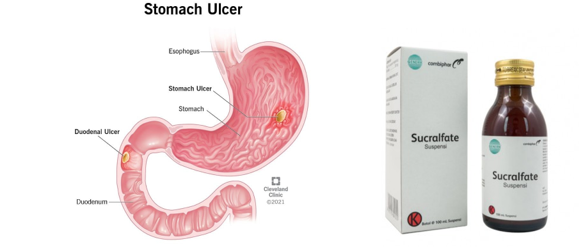
Sucralfate is a medication used to treat and prevent the return of duodenal ulcers. It is important to take sucralfate on an empty stomach, either 1 hour before meals or 2 hours after meals. This allows the medication to work effectively by sticking to damaged ulcer tissue and protecting against acid and enzymes so healing can occur.
Correct Answer is B
Explanation
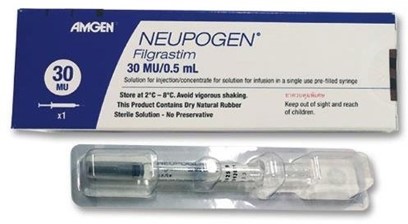
Filgrastim is a medication used to increase the production of white blood cells. An increase in the client’s white blood cell count from 2,500/mm3 to 5,000/mm3 after receiving five doses of filgrastim indicates that the medication has been effective in increasing the client’s white blood cell count. The nurse should inform the client of this positive outcome.
Whether you are a student looking to ace your exams or a practicing nurse seeking to enhance your expertise , our nursing education contents will empower you with the confidence and competence to make a difference in the lives of patients and become a respected leader in the healthcare field.
Visit Naxlex, invest in your future and unlock endless possibilities with our unparalleled nursing education contents today