
The nurse is reviewing informed consent with a coworker. Which statement by the coworker would concern the nurse?
"I should be sure the patient has no questions before they sign the consent."
"I can witness the patient's signature on the consent."
"Consent is good for 30 days."
"This protects the hospital from all lawsuits."
The Correct Answer is D
Choice A reason: Ensuring the patient has no questions before signing the consent is a standard and appropriate practice.
Choice B reason: A nurse can witness the patient's signature on the consent form, which is a normal procedure.
Choice C reason: Consent is not universally good for 30 days; it is specific to the procedure and timing, and this statement could mislead and cause legal issues.
Choice D reason: Saying that informed consent protects the hospital from all lawsuits is incorrect and could lead to a false sense of security, as informed consent is about patient autonomy, not just legal protection.
Nursing Test Bank
Naxlex Comprehensive Predictor Exams
Related Questions
Correct Answer is B
Explanation
Choice A reason: Extending the scheduled time could reinforce the client's resistance to discussing feelings until the end of the session, which is not therapeutic.
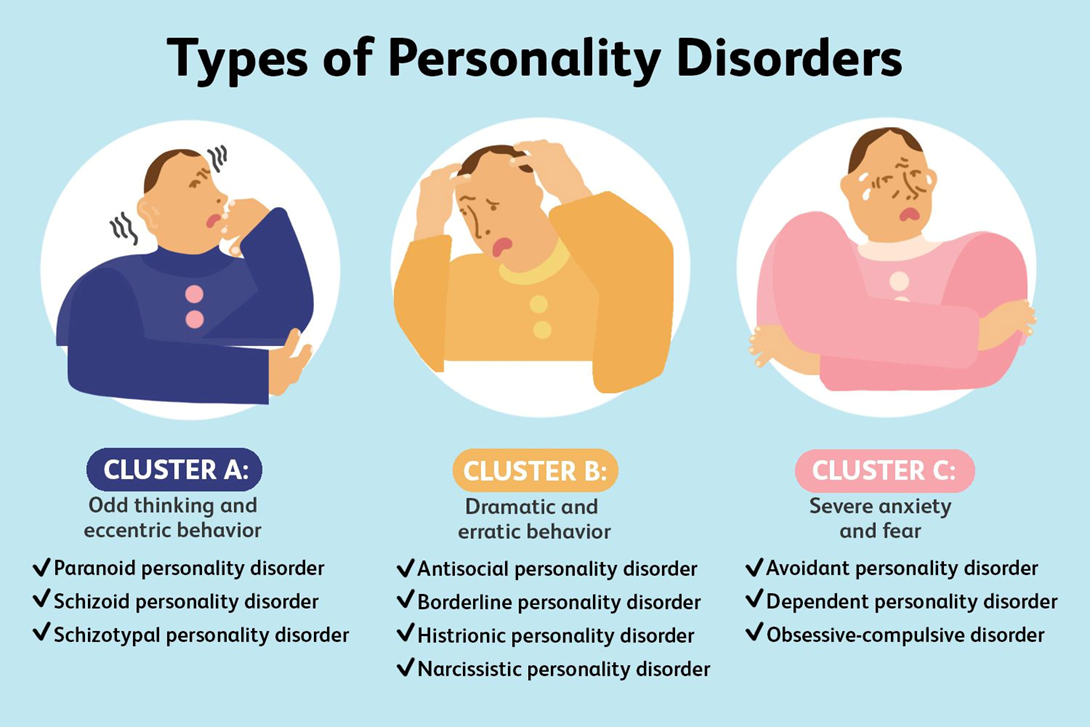
Choice B reason: Ending at the scheduled time maintains boundaries and structure, which are important in the therapeutic relationship, especially with clients who have personality disorders.
Choice C reason: Arranging for another nurse to continue the interview may disrupt the continuity of care and the therapeutic relationship.
Choice D reason: Setting an extra meeting time could be considered if the client's needs are urgent, but it is not the best option in this scenario as it may reinforce avoidance behaviors.
Correct Answer is C
Explanation
Choice A reason: Vomiting can be a sign of a transfusion reaction, but it is not as specific as low back pain for an acute hemolytic reaction.
Choice B reason: Urticaria, or hives, may indicate an allergic reaction but is not specific to an acute hemolytic reaction.
Choice C reason: Low back pain is a classic symptom of an acute hemolytic reaction, which is a serious and potentially life-threatening condition that requires immediate attention.
Choice D reason: Pulmonary congestion may occur in various conditions and is not the most specific indicator of an acute hemolytic reaction.
Whether you are a student looking to ace your exams or a practicing nurse seeking to enhance your expertise , our nursing education contents will empower you with the confidence and competence to make a difference in the lives of patients and become a respected leader in the healthcare field.
Visit Naxlex, invest in your future and unlock endless possibilities with our unparalleled nursing education contents today