
The nurse is reviewing the sequence of the cardiac cycle. The nurse recognizes that the electrical stimulus of the cardiac cycle follows which sequence?
AV node-SA node bundle of His- bundle branches
SA node- AV node-bundle of His -bundle branches
Bundle of His- AV node- SA node- Erb's Point
AV node-SA node-bundle of His- Erb's Point
The Correct Answer is B
A. AV node - SA node - bundle of His - bundle branches:
This sequence is incorrect. The SA node (sinoatrial node) initiates the electrical impulse in the heart, followed by the AV node (atrioventricular node), bundle of His, and then the bundle branches.
B. SA node - AV node - bundle of His - bundle branches:
This sequence is correct. The electrical stimulus of the cardiac cycle starts at the SA node, which is the natural pacemaker of the heart. From the SA node, the impulse travels to the AV node, then to the bundle of His, and finally to the bundle branches, which distribute the impulse to the ventricles, causing them to contract.
C. Bundle of His - AV node - SA node - Erb's Point:
This sequence is incorrect. Erb's Point is a point on the chest where heart sounds S2 and S3 can be heard most distinctly.
D. AV node - SA node - bundle of His - Erb's Point:
This sequence is incorrect. The AV node comes after the SA node in the electrical conduction system of the heart. Erb's Point is not a part of the normal cardiac conduction pathway; it is a location for auscultation on the chest.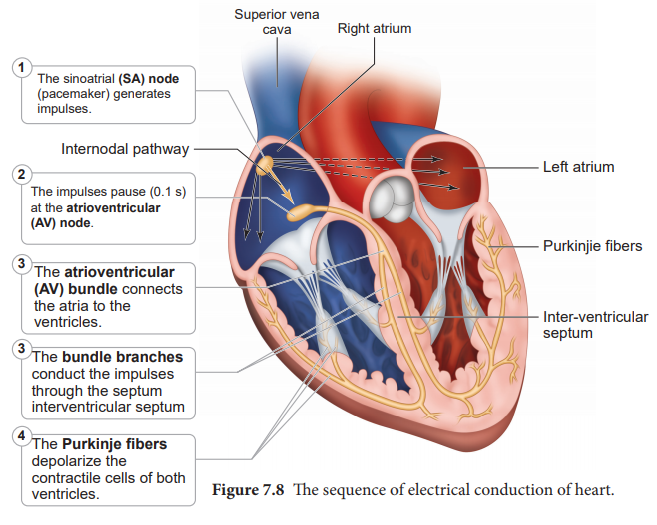
Nursing Test Bank
Naxlex Comprehensive Predictor Exams
Related Questions
Correct Answer is C
Explanation
A. Xerostomia: Xerostomia refers to dry mouth, which is caused by reduced saliva production. While it can be a symptom of various conditions, it is not directly associated with facial drooping after a stroke.
B. Epistaxis: Epistaxis is a medical term for a nosebleed. It occurs due to the rupture of small, delicate blood vessels within the nose. While it can happen independently of a stroke, it is not directly related to facial drooping caused by a stroke.
C. Dysphagia: Dysphagia refers to difficulty in swallowing, which can occur after a stroke due to muscle weakness, including the facial muscles. Facial drooping on one side can be indicative of stroke-related muscle weakness and can contribute to difficulties in swallowing.
D. Rhinorrhea: Rhinorrhea is the medical term for a runny nose, where the nasal cavity is filled with a significant amount of mucus. It is usually caused by various factors such as allergies, infections, or irritants. Rhinorrhea is not directly associated with facial drooping after a stroke.
Correct Answer is A
Explanation
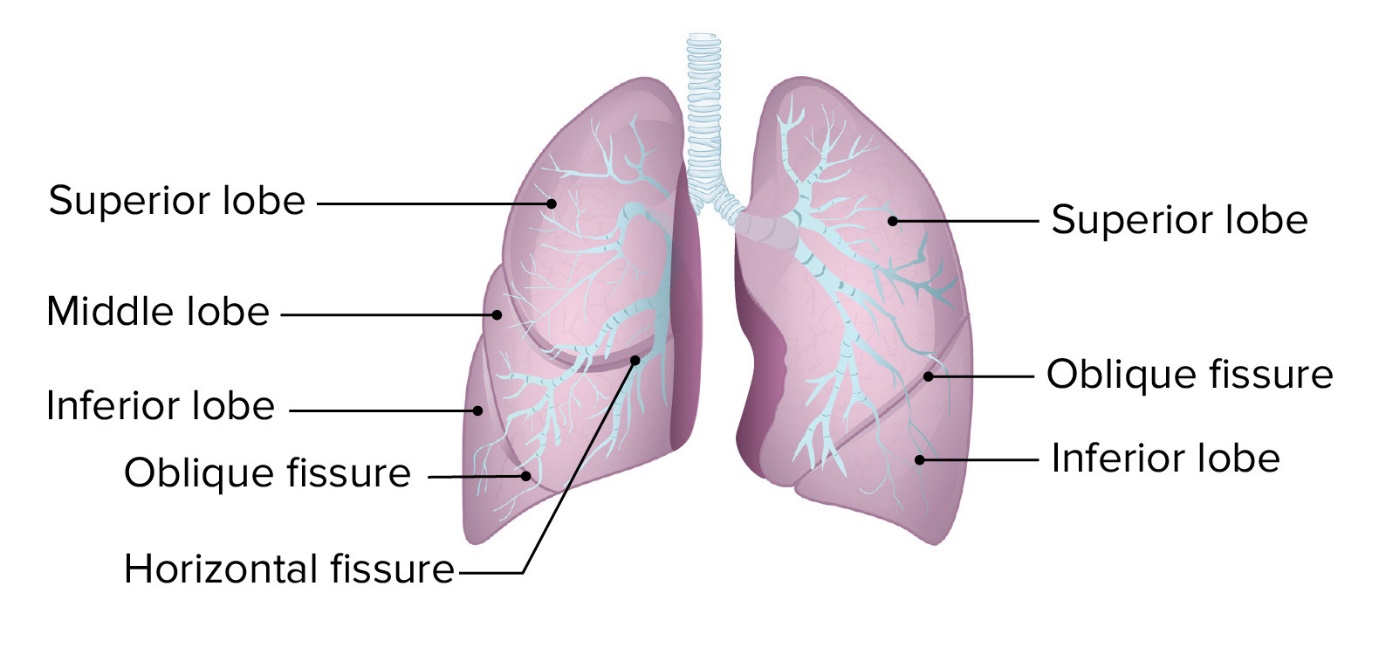
A. Consists of two lobes.
This statement is correct. The left lung consists of two lobes: the upper lobe and the lower lobe. The right lung, not the left lung, has three lobes: upper, middle, and lower lobes.
B. Primarily consists of an upper lobe on the posterior chest.
This statement is not accurate. The upper lobe of the left lung is present in the anterior and posterior parts of the chest. It is not limited to the posterior chest.
C. Is shorter than the right lung because of the underlying stomach.
This statement is not correct. The left lung is not shorter due to the underlying stomach. The left lung is slightly smaller than the right lung to accommodate the space for the heart, but this size difference is not due to the stomach.
D. Is divided by the horizontal fissure.
This statement is not accurate. The left lung is not divided by the horizontal fissure. The horizontal fissure is a feature of the right lung, not the left lung. The left lung is divided by the oblique fissure into the upper and lower lobes
Whether you are a student looking to ace your exams or a practicing nurse seeking to enhance your expertise , our nursing education contents will empower you with the confidence and competence to make a difference in the lives of patients and become a respected leader in the healthcare field.
Visit Naxlex, invest in your future and unlock endless possibilities with our unparalleled nursing education contents today