
The parent of an infant asks when the baby's first immunization for measles, mumps, and rubella (MMR) should be given.
Which age should the nurse provide the parent?
6 months.
12 months.
24 months.
2 months.
The Correct Answer is B
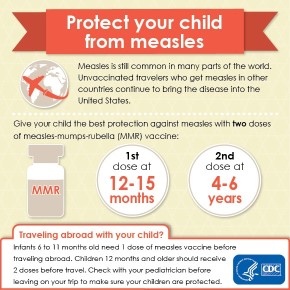
The American Academy of Pediatrics (AAP) and the Centers for Disease Control and Prevention (CDC) recommend that the first dose of MMR vaccine be given at 12-15 months of age.
A. 6 months is too early for the MMR vaccine.
D. 2 months is also too early for the MMR vaccine.
C. 24 months is slightly beyond the recommended range for the first dose of MMR vaccine, which is given between 12-15 months of age.
Nursing Test Bank
Naxlex Comprehensive Predictor Exams
Related Questions
Correct Answer is D
Explanation
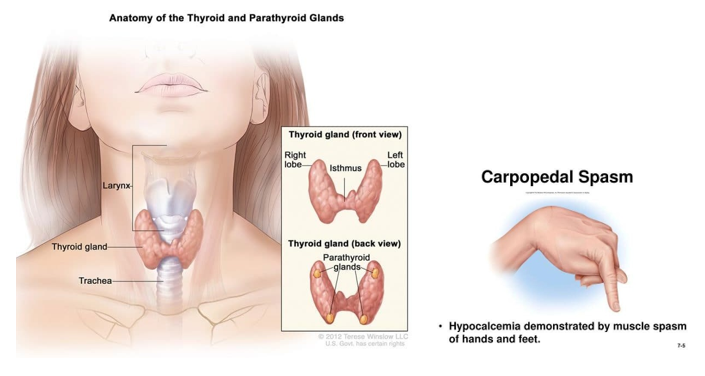
Hypoparathyroidism is a disorder in which the parathyroid glands produce insufficient amounts of parathyroid hormone, which regulates calcium and phosphorus levels in the body. In hypoparathyroidism, there is a decreased level of calcium in the blood, which can result in carpal spasm or tetany when pressure is applied to the upper arm.
Therefore, the nurse should review the child's calcium level (D) to determine if it is within the normal range. Low calcium levels can cause muscle spasms, seizures, and cardiac arrhythmias. Hypocalcemia may also result in other symptoms such as numbness, tingling, and muscle cramps.
Potassium (A), chloride (B), and sodium (C) are electrolytes that play important roles in various physiological processes in the body, but they are not directly related to the development of carpal spasm in a child with hypoparathyroidism. While hypokalemia (low potassium) or hyponatremia (low sodium) can cause muscle weakness or cramps, these conditions are not typically associated with carpal spasm in hypoparathyroidism.
Correct Answer is A
Explanation
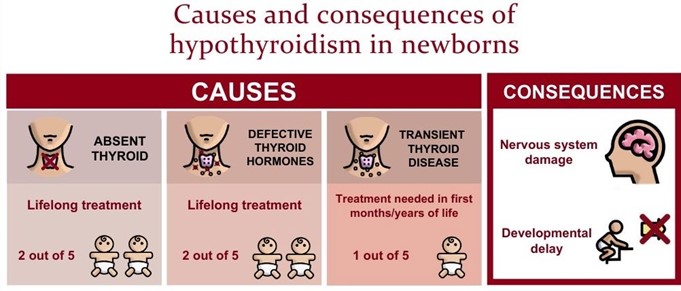
In a normal infant, T4 levels increase after birth due to stimulation by TSH from the pituitary gland. In this case, the T4 level is low and the TSH level is high, indicating that the thyroid gland is not producing enough T4 in response to TSH stimulation. This suggests that the infant may have congenital hypothyroidism, which requires prompt treatment to prevent developmental delays and other complications.
The low T4 level is not a direct cause of the high TSH level; rather, the high TSH level is a compensatory mechanism to increase T4 production. It is not normal for a breastfeeding infant to have high thyroxine levels. While the thyroid gland may take a few weeks to reach normal function after birth, the persistent low T4 and high TSH levels in this infant suggest a more serious issue.
Whether you are a student looking to ace your exams or a practicing nurse seeking to enhance your expertise , our nursing education contents will empower you with the confidence and competence to make a difference in the lives of patients and become a respected leader in the healthcare field.
Visit Naxlex, invest in your future and unlock endless possibilities with our unparalleled nursing education contents today