
The practical nurse (PN) is providing instructions to the unlicensed assistive personnel (UAP) preparing to give a total bed bath to an immobile client who has continuous feeding via a gastrostomy tube (GT). Which instruction is most important for the PN to emphasize?
Report any drainage observed around the GT insertion site.
Use plenty of pillows to position the client on the side after bathing.
Keep the head of the bed raised while the tube feeding is infusing.
Raise the entire bed while bathing the client to reduce back strain.
The Correct Answer is C
A. Reporting drainage around the GT site is important for monitoring for infection, but it is not the most critical safety measure during the bath.
B. Using pillows to position the client can provide comfort and support, but it does not prevent a serious complication.
C. Keeping the head of the bed raised during continuous tube feeding is essential to reduce the risk of aspiration, which is a priority safety concern.
D. Raising the bed can reduce back strain for the UAP, but client safety takes precedence over staff ergonomics in this context.
Nursing Test Bank
Naxlex Comprehensive Predictor Exams
Related Questions
Correct Answer is D
Explanation
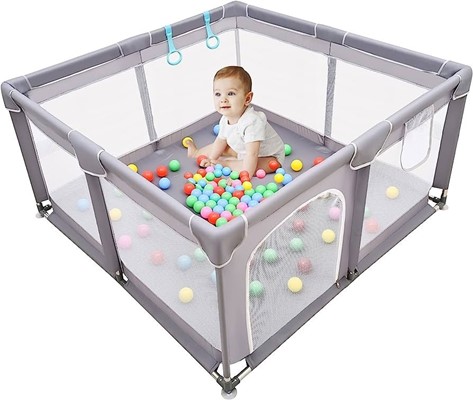
- A playpen is a portable enclosure that provides a confined space for a child to play in. It can be useful for keeping a child safe and supervised when the caregiver is busy or needs a break, but it should not be used as a substitute for active play or interaction with the caregiver or others.
- A 2-year-old child is in the developmental stage of toddlerhood, which is characterized by rapid physical, cognitive, social, and emotional growth. Toddlers are curious and eager to learn about the world around them, and they need opportunities to explore, experiment, and manipulate objects and materials. They also need stimulation, guidance, and feedback from their caregivers and peers to develop their language, problem-solving, and social skills.
- Keeping a 2-year-old child in a playpen for long periods of time or to prevent them from getting dirty can have negative effects on their development and well-being. It can limit their physical activity, creativity, and independence, and it can cause boredom, frustration, or resentment . It can also interfere with their attachment and bonding with their caregiver, as well as their self-esteem and self-image.
- Therefore, the practical nurse (PN) should use the statement "Children need time to actively explore their environment" in responding to this concern about using a playpen. This statement reflects the developmental needs and rights of the child, and it encourages the caregiver to provide a more stimulating and supportive environment for the child. It also implies that getting dirty is not a problem, but rather a natural and healthy part of play and learning.
- Therefore, option D is the correct answer, while options A, B, and C are incorrect. Option A is incorrect because it is judgmental and may offend or discourage the caregiver.
Correct Answer is D
Explanation
Hives (also known as urticaria) are raised, red, itchy welts on the skin that can be caused by an allergic reaction to medication, including antibiotics. It is essential for the PN to recognize this potentially severe allergic reaction and take immediate action.
Immediate action steps include:
- Stop the infusion of the intravenous antibiotic immediately.
- Notify the healthcare provider and report the allergic reaction.
- Assess the client's airway, breathing, and circulation to ensure there are no signs of respiratory distress or anaphylaxis.
- Administer prescribed emergency medications if needed (e.g., epinephrine, antihistamines).
- Monitor the client closely for any further signs of an allergic reaction or anaphylaxis.
The other assessment findings mentioned are also important to address, but they do not require immediate action:
A- Dry mouth with thirst: This may indicate dehydration, which should be addressed by encouraging the client to drink fluids, but it does not pose an immediate threat to the client's safety.
B- Warm skin with elastic turgor: This suggests that the client is adequately hydrated, and the skin's elasticity is normal, which is a positive finding.
C- Low-grade fever with diaphoresis: A low-grade fever indicates a mild elevation in temperature, and diaphoresis (sweating) may be the body's response to regulate temperature. The PN should monitor the client's temperature and assess for other signs of infection, but this finding does not require immediate action
Whether you are a student looking to ace your exams or a practicing nurse seeking to enhance your expertise , our nursing education contents will empower you with the confidence and competence to make a difference in the lives of patients and become a respected leader in the healthcare field.
Visit Naxlex, invest in your future and unlock endless possibilities with our unparalleled nursing education contents today