
To protect newborns from infection while in the nursery, the nurse plans to:
Adjust room temperature between 75°F and 80°F
Wear a disposable gown when giving infant care
Keep the newborn dressed warmly
Wash hands before touching each baby
The Correct Answer is D
Wash hands before touching each baby. This is because hand hygiene is the most effective way to prevent infection transmission in the nursery. Hand hygiene should be performed before and after every patient contact, as well as before and after wearing gloves or handling equipment. Hand hygiene can be done by washing hands with soap and water or using alcohol-based hand rubs.
Choice A is not correct because adjusting room temperature between 75°F and 80°F is not a measure to protect newborns from infection. The room temperature should be maintained within a comfortable range for newborns, but it does not affect infection risk.
Choice B is not correct because wearing a disposable gown when giving infant care is not a measure to protect newborns from infection. Disposable gowns are part of contact precautions, which are used for patients with known or suspected infections that can be transmitted by direct or indirect contact. They are not necessary for routine infant care.
Choice C is not correct because keeping the newborn dressed warmly is not a measure to protect newborns from infection. Keeping the newborn dressed warmly can help prevent heat loss and hypothermia, but it does not affect infection risk.
Nursing Test Bank
Naxlex Comprehensive Predictor Exams
Related Questions
Correct Answer is D
Explanation
This can be from the sudden withdrawal of your hormones. It is not a cause for alarm. This is because newborn female babies may have a little bloody vaginal discharge in their diapers due to the withdrawal of maternal hormones after delivery. This usually stops as the hormones return to normal levels. The nurse should reassure the mother that this is a normal and harmless phenomenon and does not require any treatment.
Choice A is wrong because the blood is not related to cleaning her perineal area. The nurse should not blame the mother for being careless.
Choice B is wrong because the baby does not need an appointment for this condition. The nurse should not alarm the mother unnecessarily.
Choice C is wrong because the mother does not need to watch her baby for this condition. The nurse should not leave the mother in doubt or anxiety.
Correct Answer is C
Explanation
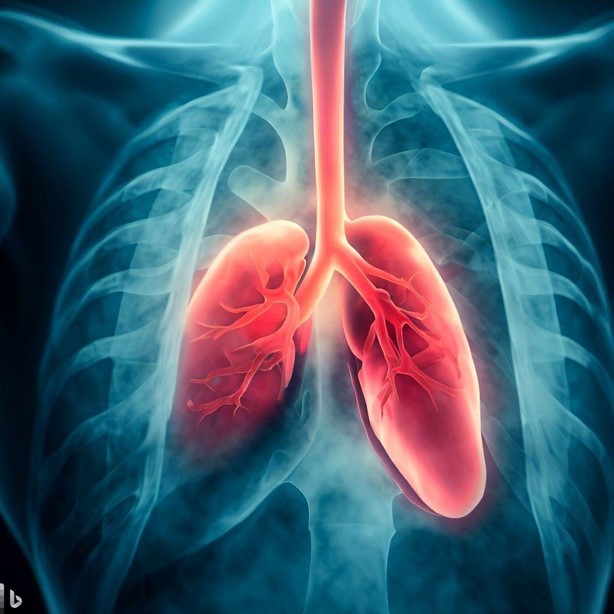
Notify the physician of a possible pulmonary embolism. This is because the client's symptoms suggest that she has a pulmonary embolism, which is a blockage of a blood vessel in the lungs often caused by blood clots that travel from the legs. Pulmonary embolism is a life-threateningcondition that requires immediate medical attention. The client may also have chest pain, coughing up blood, dizziness, or fainting.
Choice A is wrong because postpartum mucous membrane congestion does not cause fever, cough, or shortness of breath.
Choice B is wrong because an upper respiratory infection does not cause edema and redness along the saphenous vein.
Choice D is wrong because an antipyretic remedy does not treat the underlying cause of the fever and may mask the severity of the condition.
Whether you are a student looking to ace your exams or a practicing nurse seeking to enhance your expertise , our nursing education contents will empower you with the confidence and competence to make a difference in the lives of patients and become a respected leader in the healthcare field.
Visit Naxlex, invest in your future and unlock endless possibilities with our unparalleled nursing education contents today