
What is the difference between a monosaccharide and a disaccharide?
Monosaccharides are composed of two sugar molecules while disaccharides are composed of a single sugar molecule.
Monosaccharides are simple sugars that cannot be further broken down into simpler sugars while disaccharides are composed of two simple sugars.
Monosaccharides are only found in plants while disaccharides are only found in animals.
Monosaccharides are only used for energy storage while disaccharides are used for structural purposes.
The Correct Answer is B
Monosaccharides are simple sugars that cannot be further broken down into simpler sugars while disaccharides are composed of two simple sugars.
Carbohydrates are one of the main types of biomolecules and are composed of monomers called monosaccharides. Monosaccharides are simple sugars that cannot be further broken down into simpler sugars. They are usually composed of 3 to 7 carbon atoms and have a general formula of (CH2O)n, where n is a number between 3 and 7. Examples of monosaccharides include glucose, fructose, and galactose.
When two monosaccharides are joined together by a glycosidic bond, they form a disaccharide. Disaccharides are composed of two simple sugars and can be broken down into their constituent monosaccharides by hydrolysis. Examples of disaccharides include sucrose, lactose, and maltose.
Option a) is incorrect because it describes the composition of a disaccharide, not a monosaccharide.
Option c) is incorrect because both monosaccharides and disaccharides can be found in both plants and animals.
Option d) is incorrect because both monosaccharides and disaccharides can be used for energy storage and
structural purposes, depending on their specific structure and function in the organism.

Nursing Test Bank
Naxlex Comprehensive Predictor Exams
Related Questions
Correct Answer is D
Explanation
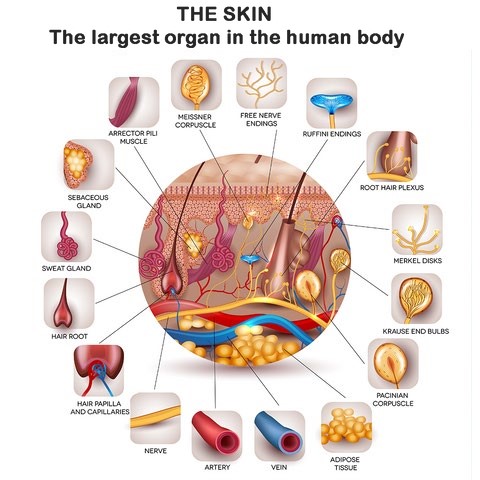
The largest organ in the human body by surface area is the skin. It covers the entire external surface of the body and has an average surface area of about 20 square feet in adults.
Correct Answer is C
Explanation
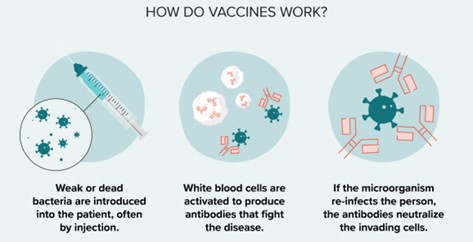
Vaccines are a type of preventative medicine that works by exposing the individual to a weakened or inactivated form of a pathogen (such as a virus or bacteria) or to a piece of the pathogen (such as a protein or sugar) that triggers an immune response in the body. This exposure allows the body to develop immunity to the pathogen without getting sick from the full-blown disease. Once the immune system has been primed, it can recognize and quickly respond to the pathogen if it is encountered again in the future, providing protection against the disease.
It is a common misconception that vaccines can cause the disease they are designed to protect against. This is not true. While some vaccines may cause mild symptoms such as a low-grade fever or soreness at the injection site, they do not cause full-blown disease.
Vaccines provide active immunity, meaning that the body produces its own antibodies against the pathogen, rather than receiving pre-made antibodies as in passive immunity. Additionally, vaccines can be effective against both bacterial and viral infections, depending on the specific vaccine.
Whether you are a student looking to ace your exams or a practicing nurse seeking to enhance your expertise , our nursing education contents will empower you with the confidence and competence to make a difference in the lives of patients and become a respected leader in the healthcare field.
Visit Naxlex, invest in your future and unlock endless possibilities with our unparalleled nursing education contents today