
What level of Maslow's Hierarchy of Needs does food belong to?
Love and belonging.
Safety and security.
Physiological.
Esteem.
The Correct Answer is C
Food belongs to the physiological level of Maslow’s Hierarchy of Needs1.
This is the lowest level of the hierarchy and includes basic needs that are vital to survival, such as food, water, and shelter1.
Choice A is incorrect because love and belonging are at a higher level of Maslow’s Hierarchy of Needs and do not include food.
Choice B is incorrect because safety and security are also a higher level of Maslow’s Hierarchy of Needs and do not include food.
Choice D is incorrect because esteem is a higher level of Maslow’s Hierarchy of Needs and does not include food.
Nursing Test Bank
Naxlex Comprehensive Predictor Exams
Related Questions
Correct Answer is ["A","B","C","D"]
Explanation
All of the choices provided are examples of alternative therapy.
Alternative therapy refers to the use of non-conventional methods to complement or enhance traditional medical treatments.
Choice A is an example of alternative therapy because it suggests including appointments with a massage therapist while continuing medical treatments for chronic leg pain.
Choice B is an example of alternative therapy because it suggests initiating “cupping” while also taking antibiotics for pneumonia.
Choice C is an example of alternative therapy because it suggests utilizing lavender in addition to the use of lorazepam for anxiety.
Choice D is an example of alternative therapy because it suggests using garlic to manage a clotting disorder.
Correct Answer is D
Explanation
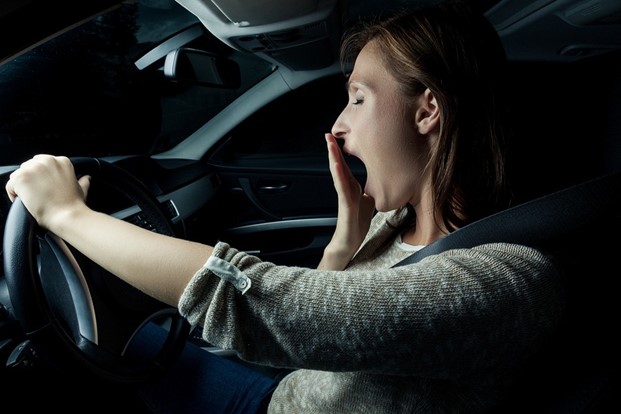
Inform the client that driving would be dangerous.
Narcolepsy is a sleep disorder characterized by excessive daytime sleepiness and sudden attacks of sleep.
As a result, it can be dangerous for individuals with narcolepsy to engage in activities that require sustained attention and alertness, such as driving.
The nurse’s priority intervention would be to inform the client of this risk and advise them to avoid driving.
Choice A is not an answer because while avoiding caffeine after 6 pm may help improve sleep quality, it is not the priority intervention for a client with narcolepsy.
Choice B is not an answer because drinking two cups of regular coffee may worsen the symptoms of narcolepsy and is not a recommended intervention.
Choice C is not an answer because while participating in normal activities may be beneficial for overall health and well-being, it is not the priority intervention for a client with narcolepsy.
Whether you are a student looking to ace your exams or a practicing nurse seeking to enhance your expertise , our nursing education contents will empower you with the confidence and competence to make a difference in the lives of patients and become a respected leader in the healthcare field.
Visit Naxlex, invest in your future and unlock endless possibilities with our unparalleled nursing education contents today