
What is the primary purpose of an incident report?
A tool used for disciplinary action.
To eliminate unforeseen errors.
Advice used in identifying opportunities for improvement.
To hold persons accountable for their errors.
The Correct Answer is C
The primary purpose of an incident report is to identify opportunities for improvement.
Incident reports are used to document and analyze events that have occurred in order to identify areas for improvement and prevent similar incidents from happening in the future.
Choice A is not an answer because incident reports are not typically used as a tool for disciplinary action.
Choice B is not an answer because while incident reports can help identify and address errors, their primary purpose is not to eliminate unforeseen errors.
Choice D is not an answer because the primary purpose of incident reports is not to hold persons accountable for their errors, but rather to identify opportunities for improvement.
Nursing Test Bank
Naxlex Comprehensive Predictor Exams
Related Questions
Correct Answer is D
Explanation
Gender is not a factor that affects bowel elimination.
Many factors affect bowel elimination including age, diet, fluid intake, physical activity, psychological factors, personal habits, and medications1.
Choice A is not the correct answer because age is a factor that affects bowel elimination.
Choice B is not the correct answer because the diet is a factor that affects bowel elimination.
Choice C is not the correct answer because fluid intake is a factor that affects bowel elimination.
Correct Answer is A
Explanation
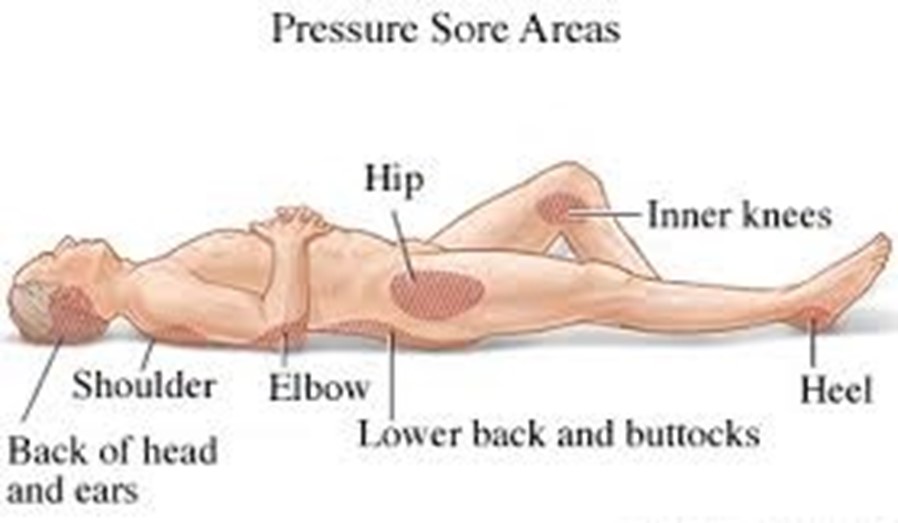
Pressure injuries may be a result of decreased mobility.
When a person has decreased mobility, they may spend extended periods of time in one position, which can put pressure on certain areas of the body and lead to the development of pressure injuries.
Choice B is not an answer because diarrhea is not typically a result of decreased mobility.
Choice C is not an answer because euphoria is not typically a result of decreased mobility.
Choice D is not an answer because increased energy is not typically a result of decreased mobility.
Whether you are a student looking to ace your exams or a practicing nurse seeking to enhance your expertise , our nursing education contents will empower you with the confidence and competence to make a difference in the lives of patients and become a respected leader in the healthcare field.
Visit Naxlex, invest in your future and unlock endless possibilities with our unparalleled nursing education contents today