
What nursing assessment finding would suggest inadequate renal perfusion in a patient being stabilized after an acute coronary syndrome (myocardial infarction)?
Low urine osmolarity and creatinine clearance.
Decreasing serum blood urea nitrogen (BUN) level.
Urine output of less than 30 mL/hr.
Urine specific gravity of less than 1.010.
The Correct Answer is C
Choice A rationale
Low urine osmolarity and creatinine clearance are not the primary indicators of inadequate renal perfusion in a patient being stabilized after an acute coronary syndrome. These measures reflect the concentration of the urine and the kidney’s ability to filter waste from the blood, respectively. While they can be affected by renal perfusion, they are not the most direct or reliable indicators.
Choice B rationale
A decreasing serum blood urea nitrogen (BUN) level is not typically associated with inadequate renal perfusion. In fact, a high BUN level may indicate that the kidneys aren’t working properly. However, BUN levels can be influenced by many factors, including protein intake and liver function, so they are not the most reliable indicator of renal perfusion.
Choice C rationale
A urine output of less than 30 mL/hr is a common sign of inadequate renal perfusion. The kidneys need adequate blood flow to filter waste products from the blood and produce urine. If renal perfusion is inadequate, urine output can decrease.
Choice D rationale
A urine-specific gravity of less than 1.010 is not typically associated with inadequate renal perfusion. Specific gravity is a measure of the concentration of solutes in the urine. It can be influenced by hydration status and certain kidney disorders, but it is not a direct measure of renal perfusion.
Nursing Test Bank
Naxlex Comprehensive Predictor Exams
Related Questions
Correct Answer is B
Explanation
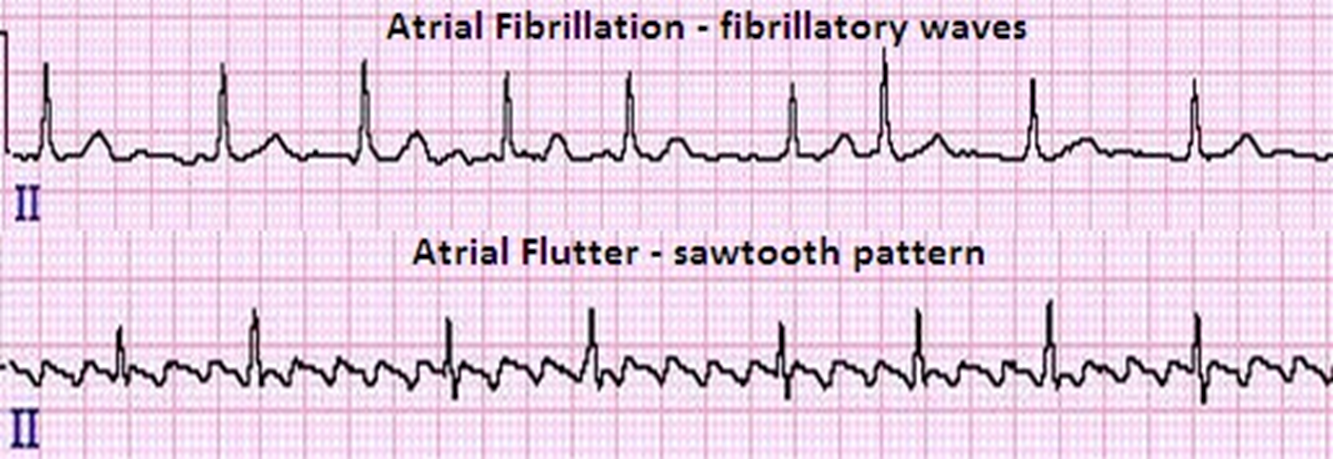
Choice A rationale: Adenosine Adenosine is a naturally occurring substance that relaxes and dilates blood vessels. It also affects the electrical activity of the heart. Adenosine is used to help restore normal heartbeats in people with certain heart rhythm disorders. However, it is not typically used for atrial fibrillation.
Choice B rationale: Diltiazem Diltiazem belongs to a class of medications called calcium-channel blockers. It works by relaxing the blood vessels so the heart does not have to pump as hard. Diltiazem also increases the supply of blood and oxygen to the heart. It is used in adults alone or in combination with other medications to treat hypertension (high blood pressure) or symptoms of angina (chest pain). Diltiazem injection is used in adults to treat certain heart rhythm disorders such as atrial fibrillation.
Choice C rationale: Atropine Atropine is a tropane alkaloid and anticholinergic medication used to treat certain types of nerve agent and pesticide poisonings as well as some types of slow heart rate, and to decrease saliva production during surgery. However, it is not typically used for atrial fibrillation.
Choice D rationale: Captopril Captopril is used in adults alone or in combination with other medications to treat high blood pressure (hypertension) and congestive heart failure.
Captopril is also used to improve survival and reduce the risk of heart failure after a heart attack in patients with a heart condition called left ventricular hypertrophy (enlargement of the walls of the left side of the heart)4. However, it is not typically used for atrial fibrillation.
Correct Answer is B
Explanation
Choice A rationale
While it’s important to inquire about an allergy to iodine in a patient who has undergone an angiogram, it’s not typically the priority for assessing and documenting for this patient after the procedure. An allergy to iodine would be more relevant before the procedure, as iodine-based contrast dye is often used during an angiogram.
Choice B rationale
Checking peripheral pulses in the affected leg is typically a priority when caring for a patient who has undergone an angiogram. This is because the procedure involves inserting a catheter into a blood vessel in the leg. Checking the peripheral pulses can help assess for potential complications such as a blood clot or decreased blood flow to the leg.
Choice C rationale
Monitoring for decreased blood pressure is important in a patient who has undergone an angiogram, but it’s not typically the priority for assessing and documenting for this patient after the procedure. While changes in blood pressure can occur after any medical procedure, other assessments such as checking peripheral pulses in the affected leg are typically more directly related to potential complications of an angiogram.
Choice D rationale
Tracking fluid intake is an important part of overall patient care, but it’s not typically the priority for assessing and documenting for a patient who has undergone an angiogram. Other assessments such as checking peripheral pulses in the affected leg are typically more directly related to potential complications of an angiogram.
Whether you are a student looking to ace your exams or a practicing nurse seeking to enhance your expertise , our nursing education contents will empower you with the confidence and competence to make a difference in the lives of patients and become a respected leader in the healthcare field.
Visit Naxlex, invest in your future and unlock endless possibilities with our unparalleled nursing education contents today