
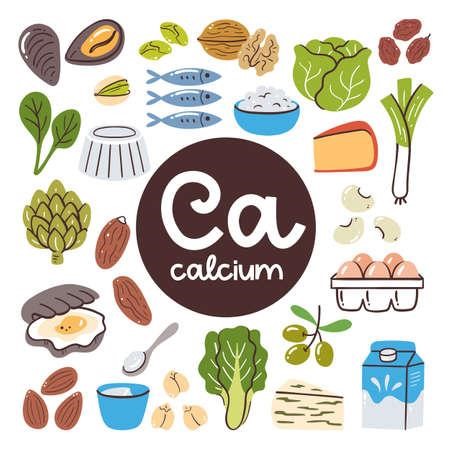
When conducting diet teaching for a client who was diagnosed with hypocalcaemia, which foods should the nurse encourage the client to eat? (Select all that apply.)
Pickles, blackberries, seeds.
Buttermilk, spinach, milk.
Pickled olives, spam, nuts.
Fresh meats, fresh turkey, fresh chicken.
Cheese spread, processed cheese, cheese.
Correct Answer : B,D,E
Choice A
Pickles, blackberries, seeds are not appropriate. None of these foods are particularly high in calcium. Pickles and blackberries are not significant sources of calcium, and while some seeds contain calcium, they are not among the best sources.
Choice B
Buttermilk, spinach, milk: These foods are good sources of dietary calcium is appropriate. Milk and buttermilk are commonly consumed dairy products that contain calcium. Spinach, while not as high in calcium as dairy products, still contributes to calcium intake.
Choice C
Pickled olives, spam, nuts are not appropriate. These foods are not known for being high in calcium. Additionally, some foods like pickled olives and spam may have high sodium content, which can affect calcium balance.
Choice D
Fresh meats, fresh turkey, fresh chicken is appropriate. Fresh meats, such as turkey and chicken, provide some calcium, although not as much as dairy products. They also contribute to overall nutritional intake.
Choice E
Cheese spread, processed cheese, cheese is appropriate. Dairy products like cheese, especially processed cheese and cheese spread, are good sources of calcium. They can be effective in increasing calcium intake to address hypocalcaemia.
Nursing Test Bank
Naxlex Comprehensive Predictor Exams
Related Questions
Correct Answer is A
Explanation
Choice A
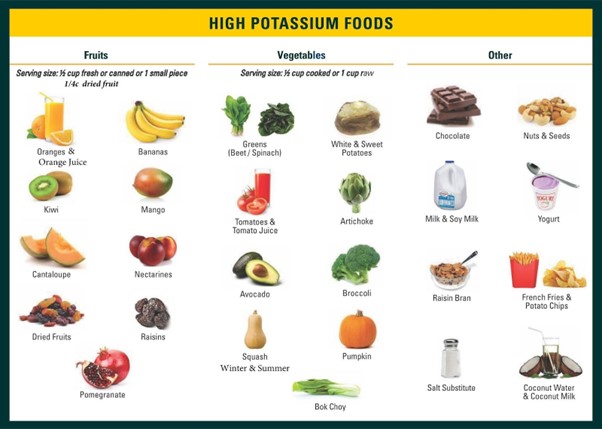
Potatoes, bananas, and oranges should be encouraged. Hypokalaemia refers to a lower than normal level of potassium in the blood. Potassium is an essential mineral that plays a crucial role in maintaining proper muscle function, nerve signalling, and fluid balance in the body. To address hypokalaemia, it's important to consume foods that are rich in potassium.
Choice B
Cranberry juice, butter, and hard candy. None of these foods are particularly high in potassium should not be encouraged. Cranberry juice is more commonly associated with urinary tract health, and butter and hard candy do not contribute significant amounts of potassium.
Choice C
Milk products, canned salmon, and fresh oysters should not be encouraged. While milk products contain some potassium, they are not as potent a source as other options. Canned salmon and fresh oysters do provide some potassium, but they are not as well-known for their potassium content as other foods like bananas and potatoes.
Choice D
Hard cheese, whole grain cereals, and dried vegetables should not be encouraged. These foods are not known for being particularly high in potassium. Hard cheese and whole grain cereals have limited potassium content, and dried vegetables, while containing some potassium, are not among the best sources.
Correct Answer is A
Explanation
Choice A
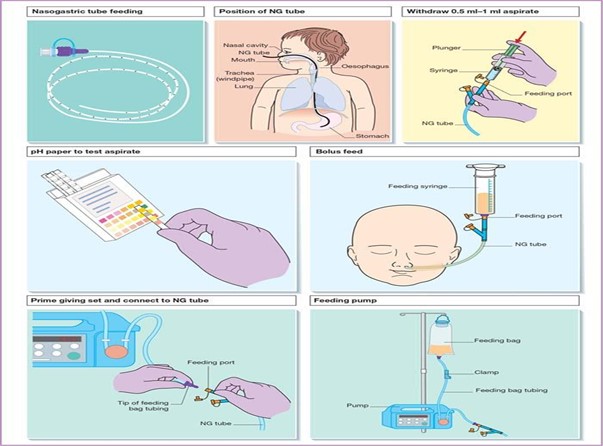
Demonstrating correct measurement of the tube insertion length is the first priority. Inserting a nasogastric tube to the appropriate length is crucial for ensuring that the tube reaches the stomach and is not inserted too far. Incorrect insertion length can lead to complications, discomfort, or potential harm to the patient. Therefore, demonstrating and ensuring the correct measurement of the tube insertion length takes priority.:
Choice B
Reminding the nurse to apply lubricant to the tube before insertion is not first priority. Applying lubricant helps ease the insertion process, but it is not the most critical step to prioritize initially.
Choice C
Confirming that the nurse has auscultated the client's bowel sounds is not the first priority. Bowel sounds assessment is important to ensure proper placement, but this step can be done after ensuring the correct measurement of the insertion length.
Choice D
Elevating the head of the bed before the nurse inserts the tube is not the first priority: Elevating the head of the bed helps facilitate the passage of the tube into the stomach, but it is not the first priority in this context.
Whether you are a student looking to ace your exams or a practicing nurse seeking to enhance your expertise , our nursing education contents will empower you with the confidence and competence to make a difference in the lives of patients and become a respected leader in the healthcare field.
Visit Naxlex, invest in your future and unlock endless possibilities with our unparalleled nursing education contents today