
A young adult client with a history of iron deficiency anaemia has a haemoglobin of 10.5 g/dL (6.52 mmol/L). Which food choice should the nurse recommend to this client?
Reference Range
Haemoglobin (Hgb) [Reference Range: Male: 14 to 18 g/dL or 8.7 to 11.2 mmol/L]
Broccoli.
Carrots.
Cheddar cheese.
Whole milk.
The Correct Answer is A
Choice A
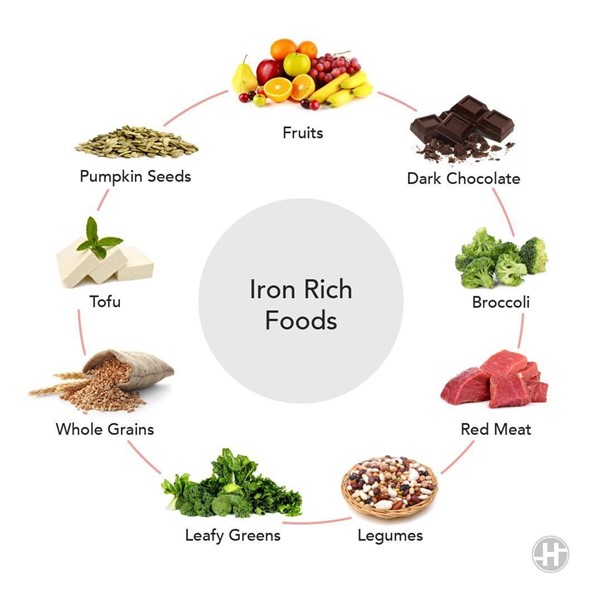
Broccoli is appropriate recommendation. Given the client's history of iron deficiency anaemia and the current haemoglobin level below the reference range, it's important to recommend foods that are good sources of iron. Among the options provided, broccoli is the most suitable choice. Iron from plant-based sources (non-heme iron) might be less easily absorbed than iron from animal sources (heme iron), but combining them with foods high in vitamin C can enhance iron absorption. Broccoli is a vegetable that contains both iron and vitamin C, making it a favourable choice to support the client's iron intake and help address the anaemia.
Choice B
Carrots are inappropriate. While carrots are a nutritious vegetable, they are not particularly high in iron.
Choice C
Cheddar cheese is inappropriate. Dairy products like cheddar cheese are not significant sources of iron.
Choice D
Whole milk is inappropriate. Whole milk is not a significant source of iron either. Additionally, calcium in milk might hinder iron absorption if consumed together.
Nursing Test Bank
Naxlex Comprehensive Predictor Exams
Related Questions
Correct Answer is B
Explanation
Choice A
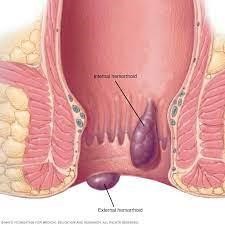
Explain the benefits of a high fibre diet is not correct response. While a high fibre diet can indeed be beneficial for individuals with haemorrhoids by promoting regular bowel movements and reducing strain during defecation, the immediate concern here is addressing the client's understanding about avoiding nuts and seeds. This information could be provided as a follow-up after confirming the client's understanding in response to option B.
Choice B
Confirm that these foods should be avoided is the correct response. In this situation, the nurse's first response should be to confirm the client's understanding and provide accurate information about the need to avoid certain foods. Nuts and seeds can be challenging to digest and may lead to irritation and inflammation in individuals with haemorrhoids. Confirming the client's understanding and providing guidance aligns with the nurse's role in patient education and care.
Choice C
Encourage soft foods such as yogurt is not the correct response. Encouraging soft foods like yogurt is a reasonable suggestion for someone with haemorrhoids, as soft foods are generally easier to digest and less likely to cause irritation. However, the client's statement was specifically about avoiding nuts and seeds. While this choice might be relevant, it doesn't directly address the client's statement.
Choice D
Suggest that the client also avoid fruit skins is not the correct response. This option is not directly related to the client's concern about nuts and seeds. Fruit skins generally contain dietary fibre, which can be beneficial for maintaining regular bowel movements. While some individuals might find that certain fruits with tough skins could exacerbate their haemorrhoid symptoms, this advice might be better suited for a separate discussion about dietary choices rather than as a direct response to the client's statement.
Correct Answer is C
Explanation
Choice A
Providing pamphlets about heart-healthy diet selections should not be implemented. Providing information is important, but it might not be as effective if the client is strongly resistant. Engaging in a conversation first can help tailor the information to the client's needs.
Choice B
Referring the client to a dietitian for nutrition education should not be implemented. A dietitian can provide valuable education, but it might be more beneficial to address the client's concerns and resistance before making the referral.
Choice C
Discussing client's concerns about the change in diet should be implemented. When a client is resistant or unwilling to make changes to their diet and lifestyle, it's important for the nurse to engage in open and empathetic communication. Option C, discussing the client's concerns about the change in diet, is the most appropriate initial response.
By engaging in a conversation with the client, the nurse can better understand the client's perspective, reasons for resistance, and potential barriers to making dietary changes. This approach allows the nurse to address the client's concerns, provide information, and work collaboratively to find solutions that might be more acceptable to the client.
Choice D
Suggesting exercise as an alternative to increase HDL levels should not be implemented. Exercise is important for heart health, but it's important to address the client's resistance to dietary changes first. Additionally, dietary changes and exercise can work together to improve overall heart health.
Whether you are a student looking to ace your exams or a practicing nurse seeking to enhance your expertise , our nursing education contents will empower you with the confidence and competence to make a difference in the lives of patients and become a respected leader in the healthcare field.
Visit Naxlex, invest in your future and unlock endless possibilities with our unparalleled nursing education contents today