
When differentiating between somatic symptom disorder and anxiety disorders, what is the primary focus of somatic symptom disorder?
Exaggerated physical symptoms and their impact.
Excessive fear and worry about health.
Intrusive thoughts and compulsive behaviors.
Avoidance of certain situations or objects.
The Correct Answer is A
Choice A reason: Somatic symptom disorder is primarily defined by the presence of one or more distressing physical symptoms combined with excessive, disproportionate thoughts, feelings, or behaviors related to those symptoms. The clinical focus remains on the perceived bodily dysfunction and the significant disruption it causes to the individual's daily life.
Choice B reason: Excessive fear and worry about health is more characteristic of illness anxiety disorder, formerly known as hypochondriasis. In that condition, physical symptoms are minimal or absent, and the individual is primarily preoccupied with the idea that they have or are developing a serious, undiagnosed medical disease or condition.
Choice C reason: Intrusive thoughts and compulsive behaviors are the core diagnostic criteria for obsessive-compulsive disorder. These involve recurrent, persistent ideas or impulses that are experienced as intrusive and unwanted, leading to repetitive mental or physical acts performed in response to an obsession to reduce distress or prevent a dreaded event.
Choice D reason: Avoidance of certain situations or objects is the hallmark of phobic disorders and agoraphobia. While somatic symptoms can occur during a panic attack within these disorders, the primary pathology is the maladaptive behavioral avoidance driven by intense fear of a specific trigger or being in inescapable places.
Nursing Test Bank
Naxlex Comprehensive Predictor Exams
Related Questions
Correct Answer is D
Explanation
Choice A reason: Anticholinergic effects, including xerostomia, blurred vision, and urinary retention, are common side effects of first-generation antipsychotics due to muscarinic receptor blockade. While uncomfortable and requiring management, they are generally not as acutely debilitating or socially stigmatizing as the severe motor dysfunctions associated with dopamine blockade in the nigrostriatal pathway.
Choice B reason: Orthostatic hypotension occurs due to alpha-1 adrenergic blockade, leading to dizziness and a risk of falls, especially in the elderly. While a safety concern, it is a predictable side effect that can often be managed with gradual position changes, whereas EPS requires complex differential diagnosis and specific pharmacological reversal.
Choice C reason: Nausea and vomiting are actually less common with first-generation antipsychotics because many of these agents, such as prochlorperazine or haloperidol, possess potent antiemetic properties by blocking dopamine receptors in the chemoreceptor trigger zone. Therefore, monitoring for gastrointestinal upset is not a clinical priority for this medication class.
Choice D reason: Monitoring for EPS is the priority because these effects can be acute, painful, and potentially irreversible, as seen in tardive dyskinesia. EPS includes acute dystonia, akathisia, and pseudoparkinsonism. Early detection is vital to adjust dosages or administer anticholinergic agents like benztropine to prevent long-term neurological sequelae and maintain patient compliance.
Correct Answer is D
Explanation
Choice A reason: While tardive dyskinesia is a serious concern with many antipsychotics, clozapine is actually associated with a very low risk of this condition. In fact, clozapine is often used as a treatment strategy for patients who have already developed severe tardive dyskinesia from other neuroleptic medications.
Choice B reason: Clozapine has a unique pharmacological profile with low D2 receptor occupancy in the striatum, making extrapyramidal symptoms like tremors or rigidity highly unlikely. It is specifically chosen for patients who are treatment-resistant or highly sensitive to the motor side effects caused by other typical or atypical antipsychotics.
Choice C reason: Serotonin syndrome is a toxic state caused by excessive serotonergic activity, usually resulting from interactions between SSRIs, SNRIs, or MAOIs. While clozapine affects various neurotransmitter systems, it is not primarily associated with the development of serotonin syndrome, which presents with hyperreflexia, clonus, and autonomic instability.
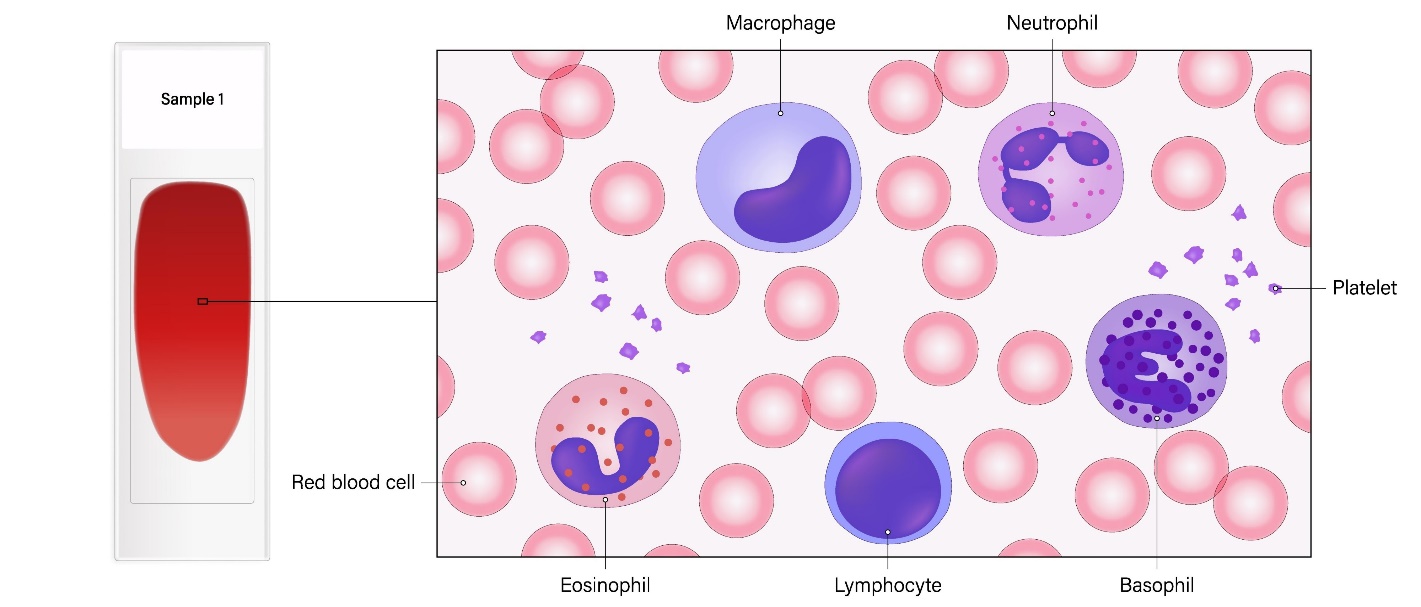
Choice D reason: Agranulocytosis is a life-threatening reduction in the white blood cell count (specifically neutrophils) that can occur in patients taking clozapine. This requires strict mandatory blood monitoring of the Absolute Neutrophil Count (ANC) to prevent severe sepsis or death, making it the most critical safety priority for the nurse.
Whether you are a student looking to ace your exams or a practicing nurse seeking to enhance your expertise , our nursing education contents will empower you with the confidence and competence to make a difference in the lives of patients and become a respected leader in the healthcare field.
Visit Naxlex, invest in your future and unlock endless possibilities with our unparalleled nursing education contents today