
Which finding for a client with an arteriovenous fistula (AV Fistula) should the practical nurse (PN) report to the healthcare provider?
Descriptions of numbness and tingling in fingers distal to the AVF.
A loud and consistent bruit is auscultated at the AVF site.
Bruising at the AVF site is purple and green in color.
Radial pulse distal to AVF is absent and ulnar pulse is present.
The Correct Answer is A
The correct answer is choice A: Descriptions of numbness and tingling in fingers distal to the AVF.
Choice A rationale:
Descriptions of numbness and tingling in fingers distal to the arteriovenous fistula (AVF) suggest possible nerve compression or impaired blood flow, which are concerning findings. These symptoms could indicate reduced perfusion to the distal extremities and require immediate attention to prevent further complications.
Choice B rationale:
A loud and consistent bruit auscultated at the AVF site is an expected finding and indicates adequate blood flow through the fistula. A bruit is the sound of turbulent blood flow and is commonly heard over functional AV fistulas.
Choice C rationale:
Bruising at the AVF site is a common occurrence after the creation of the fistula. It is expected due to the surgical intervention and the manipulation of blood vessels. As long as the bruising is not severe or accompanied by other concerning symptoms, it does not need immediate reporting.
Choice D rationale:
The absence of the radial pulse distal to the AVF and the presence of the ulnar pulse are normal findings in a functioning AV fistula. The AV fistula diverts blood flow away from the radial artery, leading to a diminished pulse. This is not a cause for concern as long as the ulnar pulse is present, indicating adequate perfusion to the hand.
Nursing Test Bank
Naxlex Comprehensive Predictor Exams
Related Questions
Correct Answer is C
Explanation
This is the most important information for the PN to ask because it assesses the client's risk for self-harm and suicidal ideation. The client's statements indicate hopelessness, low self-esteem, and impaired functioning, which are potential warning signs of suicide. The PN should ask the client directly about any thoughts or plans of harming themselves and provide support and safety measures as needed.
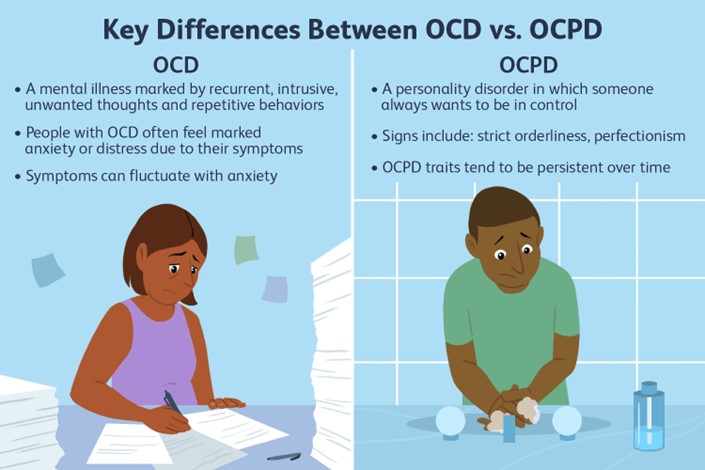
A. Questioning about which rituals are most often used to reduce anxiety is not a priority and may reinforce the client's compulsive behavior.
B. Asking if the obsessions and compulsions interfere with sleep is not a priority and may not address the client's emotional distress.
D. Determining what makes the client think people are laughing is not a priority and may not be helpful for the client's perception of reality.
Correct Answer is B
Explanation
The correct answer is choice B, Serum creatinine. Choice A rationale:
The white blood cell count (WBC) is an important parameter for assessing the body's immune response to infections. While it can provide valuable information about the presence of an infection, it is not directly related to nephrotoxicity. Therefore, it is not the most important laboratory value to review before administering an antibiotic that can cause nephrotoxicity.
Choice B rationale:
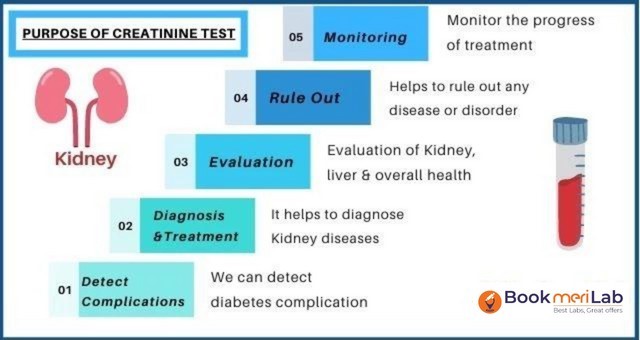
Serum creatinine is a crucial laboratory value to assess kidney function. It is a waste product that is filtered by the kidneys, and its level in the blood is a reliable indicator of kidney function. If the serum creatinine level is elevated, it suggests impaired kidney function, which can be a warning sign of nephrotoxicity. Reviewing the serum creatinine level before administering nephrotoxic antibiotics is essential to ensure that the client's kidneys are functioning adequately and to avoid potential harm.
Choice C rationale:
Hemoglobin and hematocrit are indicators of the client's red blood cell count and blood's oxygen-carrying capacity. While these values can provide information about the client's overall health status, they are not directly related to nephrotoxicity. Therefore, they are not the most important laboratory values to review in this particular scenario.
Choice D rationale:
Serum calcium levels are essential for assessing bone health, nerve function, and muscle contractions. However, they are not directly related to nephrotoxicity, and reviewing serum calcium levels alone would not provide sufficient information about kidney function. Hence, it is not the most critical value to review before administering nephrotoxic antibiotics
Whether you are a student looking to ace your exams or a practicing nurse seeking to enhance your expertise , our nursing education contents will empower you with the confidence and competence to make a difference in the lives of patients and become a respected leader in the healthcare field.
Visit Naxlex, invest in your future and unlock endless possibilities with our unparalleled nursing education contents today