
Where does the exchange of gasses occur in the lungs?
The capillary network.
The alveoli.
The bronchioles.
The trachea.
The Correct Answer is B
The exchange of gases in the lungs occurs in the alveoli. These tiny air sacs are where oxygen is transferred from the air into the blood and carbon dioxide is transferred from the blood to the air to be exhaled.
Nursing Test Bank
Naxlex Comprehensive Predictor Exams
Related Questions
Correct Answer is D
Explanation
Stress can increase the basal metabolic rate (BMR) due to the release of stress hormones like adrenaline and cortisol, which can increase the body's energy expenditure.
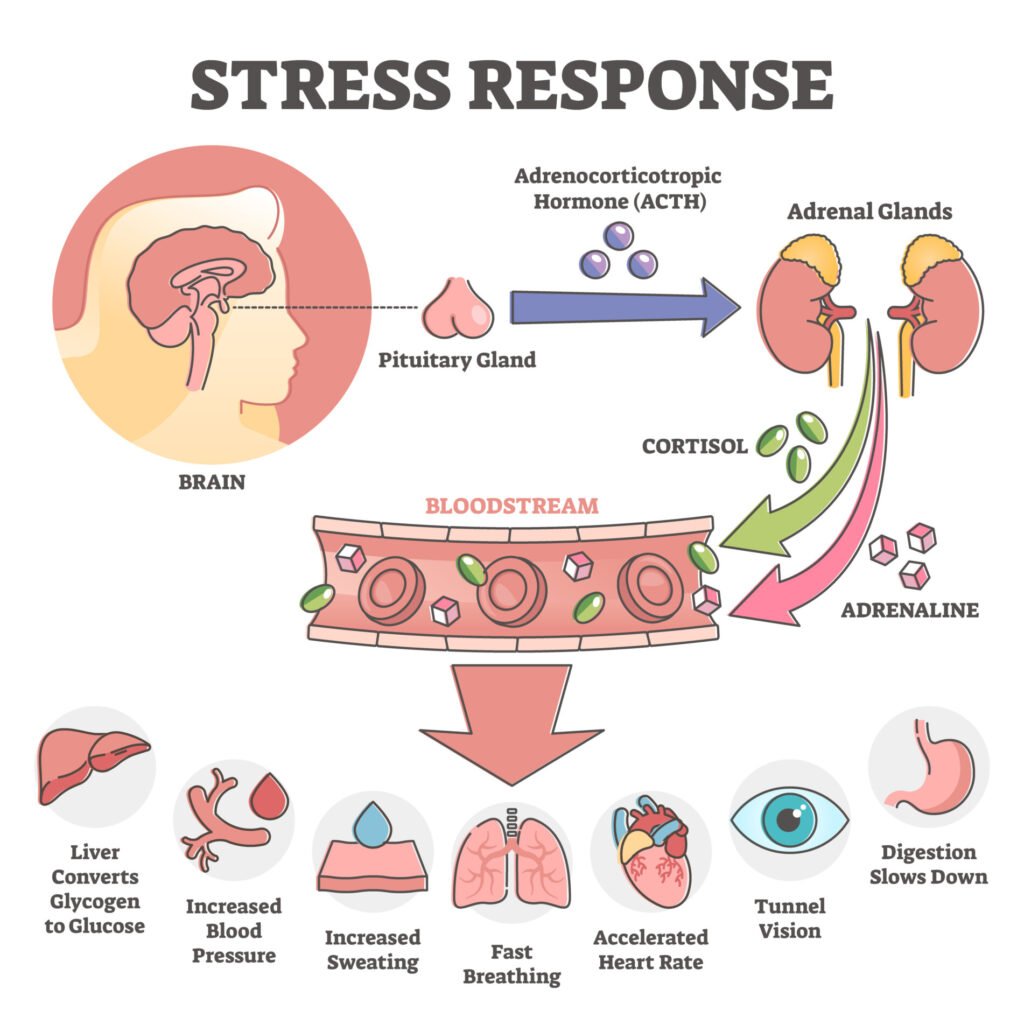
Stress Response Mechanism
- Brain and Pituitary Gland:
- The stress response begins in the brain, specifically the hypothalamus, which signals the pituitary gland to release adrenocorticotropic hormone (ACTH).
- Adrenal Glands:
- ACTH travels through the bloodstream to the adrenal glands, located above the kidneys. The adrenal glands then release cortisol and adrenaline into the bloodstream.
- Cortisol and Adrenaline Effects:
- Cortisol:
- Cortisol increases glucose production in the liver by converting glycogen (the stored form of glucose) to glucose, making more energy available to the body.
- It also promotes protein breakdown into amino acids, which can be converted to glucose, further increasing energy availability.
- Adrenaline (Epinephrine):
- Adrenaline increases heart rate and blood pressure, enhancing the delivery of oxygen and nutrients to tissues.
- It stimulates glycogenolysis (the breakdown of glycogen to glucose) and lipolysis (the breakdown of fat into fatty acids), providing additional energy sources.
- Cortisol:
- Physiological Changes:
- Liver: Converts glycogen to glucose, increasing blood glucose levels.
- Heart: Accelerated heart rate and increased blood pressure improve oxygen and nutrient delivery.
- Lungs: Increased breathing rate (fast breathing) ensures more oxygen enters the bloodstream.
- Sweat Glands: Increased sweating helps cool the body.
- Digestive System: Digestion slows down, conserving energy for more immediate demands.
- Vision: Tunnel vision may occur as the body focuses on immediate threats.
Impact on Basal Metabolic Rate (BMR)
The combined effects of cortisol and adrenaline lead to an increase in BMR. The body’s energy expenditure rises due to:
- Increased Glucose and Fat Availability: Enhanced breakdown of glycogen and fats provides more fuel for cellular metabolism.
- Heightened Cardiovascular Activity: Increased heart rate and blood pressure raise energy demands.
- Enhanced Cellular Activity: The overall increase in cellular processes, including metabolism and energy production, results in higher energy expenditure.
Correct Answer is ["A","B","C","D"]
Explanation
Choice A reason:
Supportive friends and family members play a crucial role in the recovery process for individuals with depression. Social support can provide emotional comfort, reduce feelings of isolation, and encourage adherence to treatment plans. Having a strong support network can significantly improve mental health outcomes.
Choice B reason:
Attending outpatient therapy or a partial hospital program offers structured support and treatment for individuals with depression. These programs provide access to mental health professionals, group therapy, and other therapeutic activities that can help manage symptoms and promote recovery. They offer a higher level of care than standard outpatient visits but do not require full hospitalization.
Choice C reason:
Consistent daily structure and exercise that is not overwhelming can help manage depression by providing routine and physical activity. Regular exercise has been shown to improve mood, reduce anxiety, and increase overall well-being. Establishing a daily routine can also help individuals with depression feel more in control and reduce feelings of chaos or unpredictability.
Choice D reason:
A well-balanced diet and restful sleep are essential components of mental health. Proper nutrition supports brain function and overall health, while adequate sleep is crucial for emotional regulation and cognitive function. Addressing these basic needs can help improve mood and energy levels, making it easier to cope with depression.
Whether you are a student looking to ace your exams or a practicing nurse seeking to enhance your expertise , our nursing education contents will empower you with the confidence and competence to make a difference in the lives of patients and become a respected leader in the healthcare field.
Visit Naxlex, invest in your future and unlock endless possibilities with our unparalleled nursing education contents today