
Which chamber of the heart receives oxygenated blood from the pulmonary veins?
Right ventricle
Right atrium
Left ventricle
Left atrium
The Correct Answer is D
Choice A reason: The right ventricle receives deoxygenated blood from the right atrium through the tricuspid valve. It is responsible for pumping this deoxygenated blood into the pulmonary circulation via the pulmonary artery to be oxygenated in the lungs, not for receiving oxygenated blood from the veins.
Choice B reason: The right atrium receives deoxygenated systemic venous blood returning from the body via the superior and inferior vena cava. It serves as the initial collection chamber for the right side of the heart, which is dedicated to the pulmonary circulation circuit, not the systemic oxygenated circuit.
Choice C reason: The left ventricle receives oxygenated blood from the left atrium through the mitral valve. It is the thick-walled muscular chamber responsible for pumping this oxygenated blood out through the aorta to the rest of the systemic circulation to meet the body's metabolic demands.
Choice D reason: The left atrium is the receiving chamber for the four pulmonary veins, which carry oxygen-rich blood back to the heart from the lungs. This chamber holds the oxygenated blood before it passes through the mitral valve into the left ventricle for systemic distribution.
Nursing Test Bank
Naxlex Comprehensive Predictor Exams
Related Questions
Correct Answer is D
Explanation
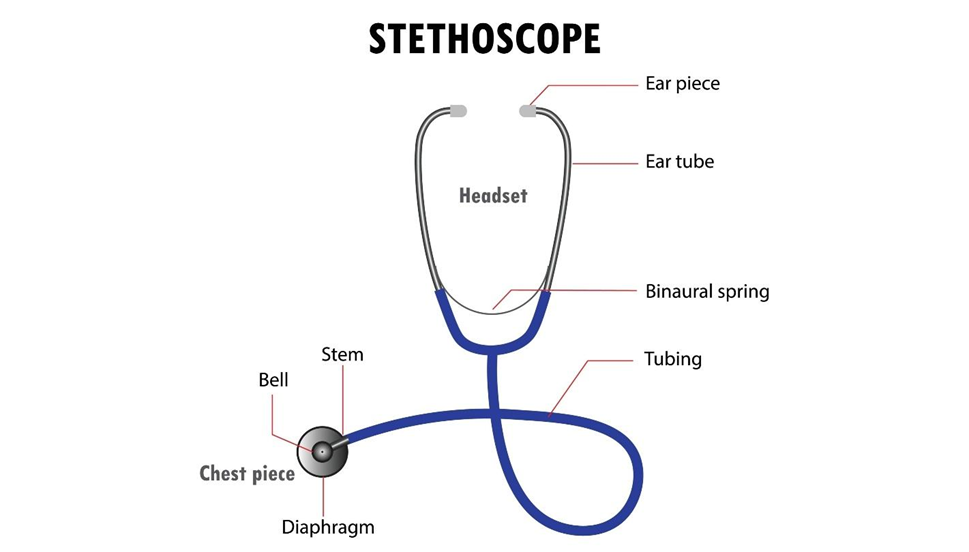
Choice A reason: The bell of the stethoscope is a concave component designed specifically for detecting low-frequency sounds, such as the S3 or S4 heart sounds or low-pitched diastolic murmurs. When placed lightly against the skin, it allows low-frequency vibrations to pass through without being dampened, making it ineffective for high-pitched sounds.
Choice B reason: The tubing is a conduit for sound waves traveling from the chest piece to the earpieces. Its length, thickness, and internal diameter are optimized to minimize sound loss and ambient noise interference, but the tubing itself has no role in the filtering or specific auscultation of high-frequency versus low-frequency heart sounds.
Choice C reason: The earpieces are designed to ensure a comfortable and secure fit in the user's ear canals to exclude external ambient noise and direct sound into the ear. They do not possess any functional mechanism for frequency discrimination or the selective enhancement of high-pitched sounds during the cardiac examination process.
Choice D reason: The diaphragm is a stiff, flat disc that effectively transmits high-frequency sounds. It functions by filtering out low-frequency sounds while permitting high-pitched sounds, such as the S1 and S2 heart sounds and certain systolic murmurs, to pass through clearly, making it the essential component for standard cardiac assessment.
Correct Answer is B
Explanation
Choice A reason: A pulse deficit occurs when the peripheral pulse rate is lower than the apical heart rate, typically seen in arrhythmias like atrial fibrillation. It is not a pathophysiological consequence of pneumonia and does not correlate with the impaired gas exchange seen in pulmonary infections.
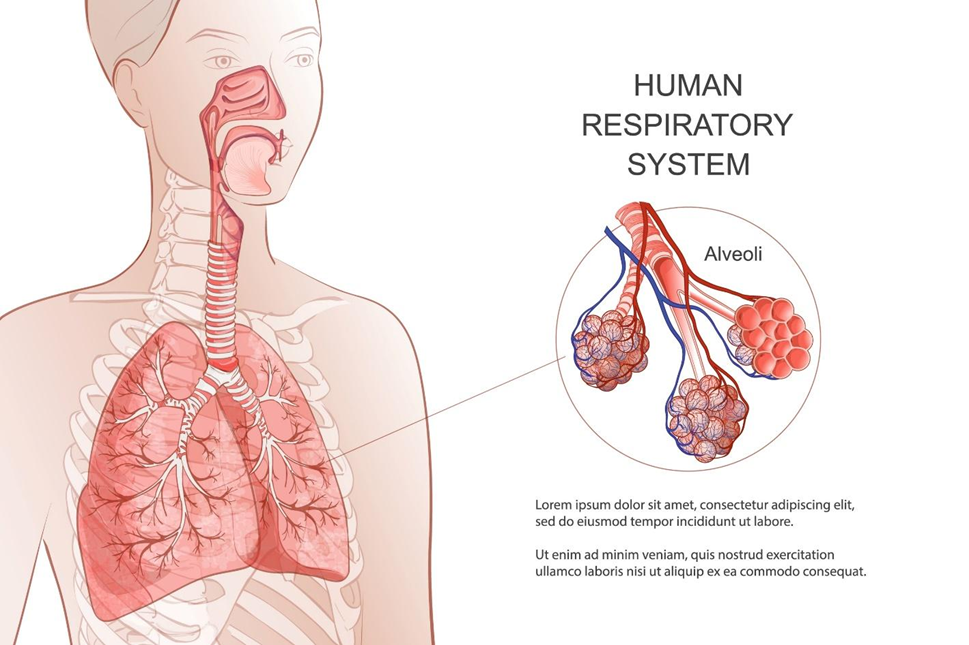
Choice B reason: Pneumonia causes inflammation and consolidation within the lung parenchyma, leading to impaired gas exchange and hypoxia. To compensate for the reduced oxygen saturation and increased metabolic demand, the respiratory center triggers an increase in respiratory rate, resulting in the clinical finding of tachypnea.
Choice C reason: Hypothermia is a core body temperature below 35°C. Pneumonia, being an infectious process, typically triggers an inflammatory response that leads to pyrexia (fever) rather than a reduction in core body temperature, as the body attempts to create an environment hostile to the invading pathogen.
Choice D reason: Bradycardia, or a heart rate below 60 beats per minute, is not a typical response to pneumonia. In fact, due to the presence of fever, hypoxia, and the systemic inflammatory response, patients with pneumonia usually exhibit tachycardia, or an elevated heart rate, as the cardiovascular system attempts to maintain perfusion.
Whether you are a student looking to ace your exams or a practicing nurse seeking to enhance your expertise , our nursing education contents will empower you with the confidence and competence to make a difference in the lives of patients and become a respected leader in the healthcare field.
Visit Naxlex, invest in your future and unlock endless possibilities with our unparalleled nursing education contents today