
Which is the primary goal that would be included in the plan of care for a child who has cerebral palsy?
Improve muscle control and coordination.
Eliminate the cause of the disease.
Prevent the occurrence of emotional disturbances.
Maximize the child's assets and minimize the limitations.
The Correct Answer is D
D. The aim is to focus on the child's strengths and abilities while addressing limitations and challenges associated with the condition. This approach emphasizes maximizing the child's potential for development, independence, and participation in daily activities, education, and social interactions, while also providing support and resources to address any limitations or barriers they may encounter.
A. Another goal of treatment and care is to maximize the child's functional abilities by improving muscle control, coordination, and mobility through various therapies, such as physical therapy, occupational therapy, and speech therapy. However, this is not the primary goal.
B. Cerebral palsy is a neurological condition caused by damage to the developing brain, often occurring before birth. While efforts to prevent cerebral palsy are important, once the condition has developed, the focus shifts to managing symptoms and optimizing the child's functioning rather than eliminating the cause.
C. Emotional well-being is an important aspect of overall health for children with cerebral palsy but it is not typically the primary goal of care. Emotional disturbances may occur in some children with cerebral palsy due to various factors such as coping with the challenges of the condition, social interactions, or other comorbidities, but the primary focus of the care plan is usually on addressing physical and functional impairments.
Nursing Test Bank
Naxlex Comprehensive Predictor Exams
Related Questions
Correct Answer is D
Explanation
This position, often referred to as the "knee-to-chest" position, is recommended during a cyanotic spell in infants with tetralogy of Fallot because it can help increase venous return to the heart and improve oxygenation. It's important for caregivers to understand this positioning as part of the management for hypercyanotic spells in children with this condition.
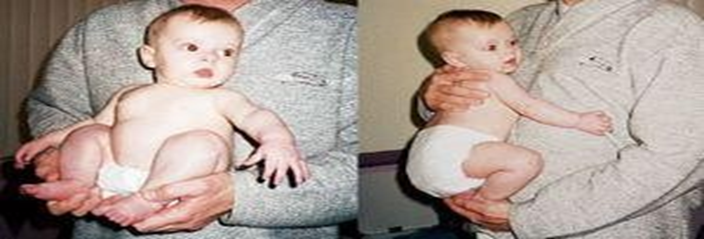
A. Placing the baby upright in an infant seat may help improve blood flow and oxygenation, but it's not the recommended position for managing cyanosis in a baby with tetralogy of Fallot.
B. Placing the baby with the head lower than the rest of the body could potentially worsen cyanosis by increasing right-to-left shunting of blood and decreasing pulmonary blood flow.
C. Placing the baby in a supine position with the head elevated worsens pulmonary blood flow by increasing systemic vascular resistance. This position can help worsen cyanosis by promoting better oxygenation.
Correct Answer is A
Explanation
A. The sweat chloride test is considered the most definitive diagnostic test for cystic fibrosis. In this test, sweat is collected from the skin and analyzed for chloride content. Elevated levels of chloride in the sweat are indicative of cystic fibrosis. This test is highly sensitive and specific for diagnosing the condition.
B. Stool fat content analysis can help assess pancreatic function and malabsorption, which are common manifestations of cystic fibrosis. However, it is not considered the most definitive test for diagnosing cystic fibrosis. Elevated stool fat content can be suggestive of cystic fibrosis but is not specific to the condition.
C. Sputum culture may be performed to identify respiratory pathogens and guide antibiotic therapy in individuals with cystic fibrosis, but it is not the most definitive test for diagnosing the condition. It helps identify infections and monitor lung health but does not confirm the diagnosis of cystic fibrosis.
D. Pulmonary function tests are used to assess lung function and airflow, which can be affected in individuals with cystic fibrosis. While these tests provide valuable information about lung health, they are not the most definitive test for diagnosing cystic fibrosis. They are used for monitoring disease progression and response to treatment rather than confirming the diagnosis.
Whether you are a student looking to ace your exams or a practicing nurse seeking to enhance your expertise , our nursing education contents will empower you with the confidence and competence to make a difference in the lives of patients and become a respected leader in the healthcare field.
Visit Naxlex, invest in your future and unlock endless possibilities with our unparalleled nursing education contents today