
Which newborn assessment finding of 24-hour-old infant should the practical nurse (PN) report to the charge nurse immediately?
Weight loss of 4 ounces since birth.
Respiratory rate of 55 breaths/minute.
Axillary temperature of 97.6° F (36.4° C).
Heart rate of 100 beats/minute.
The Correct Answer is D
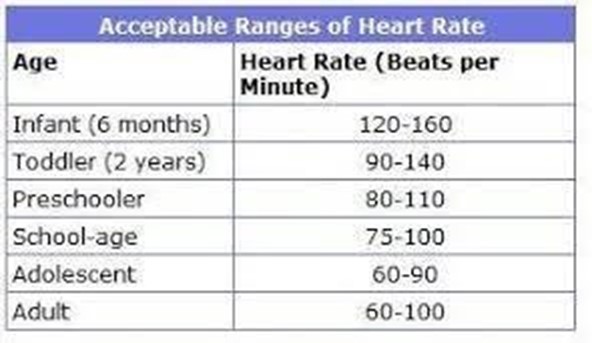
The newborn assessment finding that the practical nurse (PN) should report to the charge nurse immediately for a 24-hour-old infant is a heart rate of 100 beats/minute. The normal heart rate for a newborn is between 120-160 beats/minute. A heart rate of 100 beats/minute is below the normal range and may indicate a problem such as hypothermia or an infection. The PN should report this finding to the charge nurse immediately so that appropriate action can be taken to address the issue. The other assessment findings listed may also be important to monitor, but a heart rate of 100 beats/minute is the most urgent and requires immediate attention.
Nursing Test Bank
Naxlex Comprehensive Predictor Exams
Related Questions
Correct Answer is A
Explanation
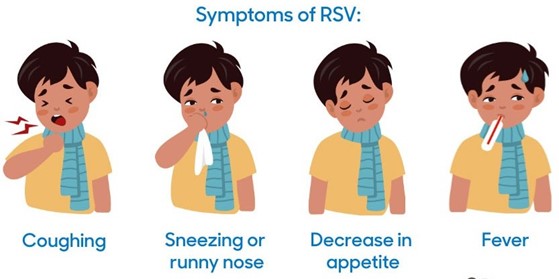
Respiratory syncytial virus (RSV) is a highly contagious virus that can cause severe respiratory infections, especially in infants and young children. RSV is easily spread through contact with respiratory secretions from infected individuals, and can survive on surfaces for several hours. Therefore, it is important to avoid exposing other children to RSV, especially those who are under 6 months old or have a weakened immune system. The practical nurse (PN) should advise the mother not to take her infant to the birthday party to prevent the spread of RSV to other children. The PN can provide education on how to prevent the spread of RSV, such as washing hands frequently, avoiding close contact with sick individuals, and covering the mouth and nose when coughing or sneezing.
Correct Answer is A
Explanation
The practical nurse (PN) should obtain information about the client's current medications, including any analgesics or antianxiety medications that may be contributing to the confusion. These medications can cause cognitive impairment and confusion, especially in older adults. It is important to assess the client's mental status and identify any potential causes of confusion, as this can indicate a change in the client's condition that requires further evaluation and intervention.
Option B is incorrect as it refers to a history of situational depression, which may not be relevant to the current situation.
Option C is also incorrect as it refers to previous falls, which may not be related to the current confusion.
Option D is incorrect as it refers to the client's history of alcohol abuse, which may be important to know but is not the most relevant information to obtain in this situation.
Whether you are a student looking to ace your exams or a practicing nurse seeking to enhance your expertise , our nursing education contents will empower you with the confidence and competence to make a difference in the lives of patients and become a respected leader in the healthcare field.
Visit Naxlex, invest in your future and unlock endless possibilities with our unparalleled nursing education contents today