
Which system is responsible for the fight or flight response in stressful situations?
Enteric nervous system
Central nervous system
Peripheral nervous system
Autonomic nervous system
The Correct Answer is D
A. Enteric nervous system: The Enteric nervous system is a mesh-like system of neurons that governs the function of the gastrointestinal tract (the "brain of the gut"). It manages digestion, not the systemic stress response.
B. Central nervous system: While the brain (specifically the hypothalamus and amygdala) perceives the threat, the execution of the physiological "fight or flight" changes (racing heart, dilated pupils) is carried out by the autonomic nerves.
C. Peripheral nervous system: Similar to Question 45, this is a broad anatomical term. While the stress response nerves are located in the periphery, the specific functional system is the Autonomic Nervous System.
D. Autonomic nervous system: The Autonomic Nervous System has two main branches: the Sympathetic and the Parasympathetic. The Sympathetic division is directly responsible for the "fight or flight" response, mobilizing the body's energy during stress.
Nursing Test Bank
Naxlex Comprehensive Predictor Exams
Related Questions
Correct Answer is B
Explanation
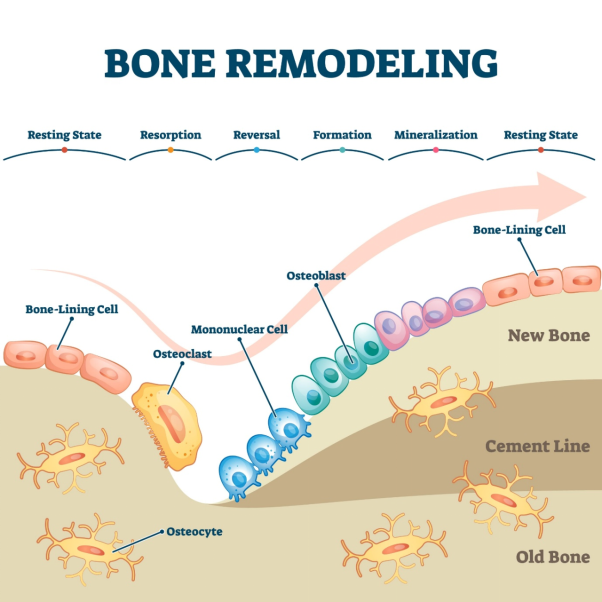
A. Osteocyte; maintaining bone tissue:Osteocytes are mature bone cells embedded within the bone matrix. Their primary role is to maintain the mineral concentration of the matrix and communicate mechanical stress to other cells, but they do not primarily break down or build bone mass.
B. Osteoclast; breaking down bone tissue:Osteoclasts are large, multinucleated cells responsible for resorption-the process of breaking down bone tissue to release minerals (like calcium) into the blood. In osteoporosis, osteoclast activity often outpaces osteoblast activity, leading to net bone loss.
C. Chondrocyte; forming cartilage:Chondrocytes are the cells found in cartilage, not bone. They are responsible for producing the cartilaginous matrix (collagen and proteoglycans).
D. Osteoblast; forming new bone tissue:Osteoblasts are the "builders." They synthesize the bone matrix (collagen) and coordinate the mineralization process. While essential for health, the question specifically asked for the cell responsible for resorption.
Correct Answer is A
Explanation
A. Central nervous system:Meningitis is inflammation of the meninges - the protective membranes (dura, arachnoid, pia) that surround the brain and spinal cord, which are components of the central nervous system (CNS). Symptoms (fever, headache, neck stiffness, photophobia, altered mental status) reflect CNS involvement.
B. Enteric nervous system:The enteric nervous system is localized to the gastrointestinal tract and controls gut function; it is not the site of pathology in meningitis.
C. Autonomic nervous system:While severe CNS infection can secondarily affect autonomic functions (e.g., heart rate, blood pressure), the primary site of meningitis is the CNS meninges, not the autonomic nervous system itself.
D. Peripheral nervous system:The peripheral nervous system is composed of peripheral nerves outside the brain and spinal cord. Meningitis directly affects the CNS coverings, not the peripheral nerves (unless there are rare complications that secondarily involve peripheral nerves).
Whether you are a student looking to ace your exams or a practicing nurse seeking to enhance your expertise , our nursing education contents will empower you with the confidence and competence to make a difference in the lives of patients and become a respected leader in the healthcare field.
Visit Naxlex, invest in your future and unlock endless possibilities with our unparalleled nursing education contents today