
While conducting a physical assessment, a client with cirrhosis of the liver reports to the nurse having had a 5 lb (2.3 kg) weight gain within the last week. Which assessment finding correlates with the client's comment?
Decreased bowel sounds.
Increased respiratory rate.
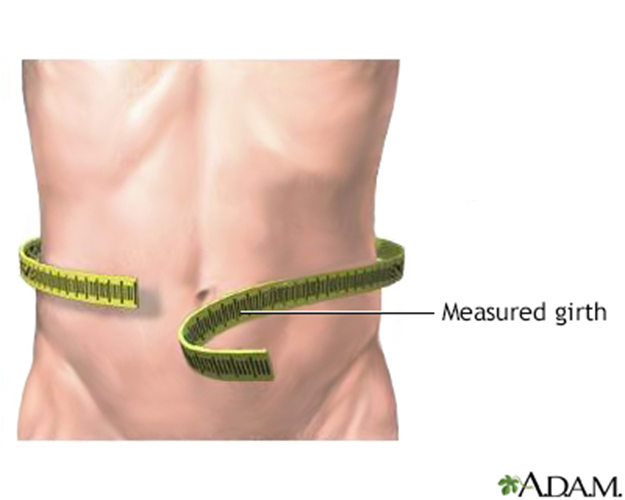
Increased abdominal girth.
Decreased level of consciousness.
The Correct Answer is C
Choice A reason: Decreased bowel sounds may be associated with cirrhosis due to altered digestion but do not directly correlate with weight gain.
Choice B reason: An increased respiratory rate can be a sign of many conditions, including fluid overload, but it is not a specific indicator of weight gain due to fluid accumulation.
Choice C reason: Increased abdominal girth is a common sign of ascites, which is fluid accumulation in the abdomen often seen in cirrhosis, correlating with the reported weight gain.
Choice D reason: Decreased level of consciousness may indicate hepatic encephalopathy in cirrhosis patients but does not directly correlate with the weight gain described.
Nursing Test Bank
Naxlex Comprehensive Predictor Exams
Related Questions
Correct Answer is B
Explanation
Choice A reason: While it's important to know if the client can lie prone, this is not the most critical piece of information prior to an intravenous pyelogram.
Choice B reason: Asking about a shellfish allergy is crucial because the contrast dye used in an intravenous pyelogram may contain iodine, which can cause an allergic reaction in individuals with shellfish allergies.
Choice C reason: Knowing the last time the client had a bowel movement is less critical than knowing about potential allergies to the contrast dye.
Choice D reason: While it's important to know about medication schedules, the risk of an allergic reaction to the contrast dye is a more immediate concern that could affect the safety of the procedure.
Correct Answer is D
Explanation
Choice A reason: Elevated blood pressure is a concern but not as immediately threatening as some other symptoms associated with mitral valve stenosis.
Choice B reason: A rapid, irregular heart rate could indicate atrial fibrillation, which is common in mitral valve stenosis, but it is not as urgent as blood-tinged sputum.
Choice C reason: Swollen feet and ankles suggest fluid retention, which is a concern in mitral valve stenosis but not as immediate as hemoptysis.
Choice D reason: Blood-tinged sputum indicates hemoptysis, which can be a sign of pulmonary edema or other serious complications requiring immediate intervention. This symptom is the most urgent and could signify a potentially life-threatening condition.
Whether you are a student looking to ace your exams or a practicing nurse seeking to enhance your expertise , our nursing education contents will empower you with the confidence and competence to make a difference in the lives of patients and become a respected leader in the healthcare field.
Visit Naxlex, invest in your future and unlock endless possibilities with our unparalleled nursing education contents today