
While conducting the health assessment, the nurse instructs the client about secondary prevention activities. What information did the nurse most likely provide to this client?
The immunization schedule recommended for the client's age.
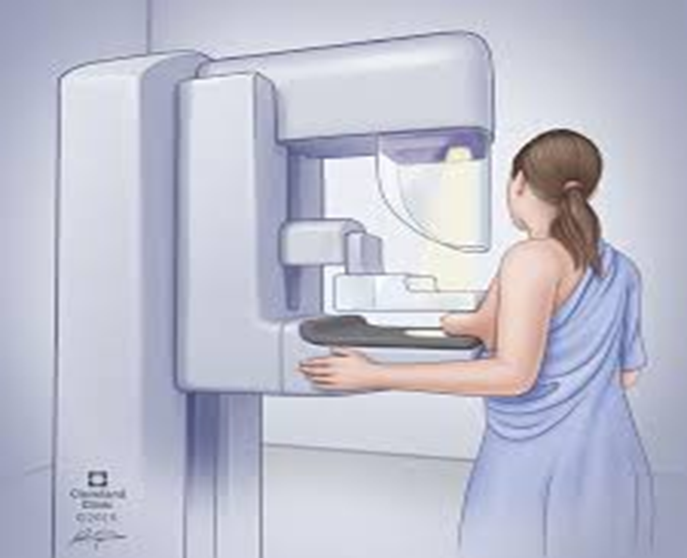
The need for regular mammogram screening to identify breast cancer lesions.
The need for consistent use of seat belts when in a motor vehicle.
The impact of annual vision examinations on personal health and safety.
The Correct Answer is B
Choice a reason:
Immunization schedules are typically considered a part of primary prevention. They are intended to prevent diseases before they occur by using vaccines to provide immunity against infections.
Choice b reason:
Regular mammogram screenings are a form of secondary prevention. They are used to detect breast cancer lesions early before symptoms appear, which can lead to more effective treatment and better outcomes.
Choice c reason:
The consistent use of seat belts is a primary prevention strategy. It is a proactive measure to prevent injuries in the event of a motor vehicle accident.
Choice d reason:
Annual vision examinations can be considered part of secondary prevention if they are used to detect vision problems or eye diseases in their early stages. However, they can also be seen as primary prevention because they help maintain and protect eye health before issues arise.
Nursing Test Bank
Naxlex Comprehensive Predictor Exams
Related Questions
Correct Answer is B
Explanation
Choice A reason:
Discussing reactions to allergens typically focuses on environmental or food triggers that may cause allergic reactions. While it's important to understand a client's allergies, this topic is not closely related to alcohol use, which has different implications for health and lifestyle choices.
Choice B reason:
Asking about alcohol use naturally follows the discussion about cigarette smoking because both involve substance use and have potential health risks. It allows the nurse to transition smoothly from one lifestyle factor to another, which can impact the client's overall health. This approach also helps in creating a comprehensive picture of the client's habits that may contribute to or affect their current health status.
Choice C reason:
Reviewing current medications is an essential part of the health history, as it can reveal potential interactions with alcohol. However, it might be more appropriate to ask about alcohol use after discussing other lifestyle habits such as smoking, as they are more directly related. Once the client's substance use habits are established, the nurse can then discuss how these might interact with prescribed medications.
Choice D reason:
Asking about previous surgeries is important for understanding a client's medical history, but it is not directly related to the client's current lifestyle habits like alcohol use. Therefore, it would be more natural to ask about alcohol use in the context of other substance use discussions rather than after surgical history.
Correct Answer is D
Explanation
Choice a reason:
Exophthalmos, or protrusion of the eyeballs, is not a typical finding in hypothyroidism. It is more commonly associated with hyperthyroidism, particularly Graves' disease, which is characterized by an overactive thyroid gland.
Choice b reason:
Photophobia, or light sensitivity, is not a common symptom of hypothyroidism. While it can be associated with other conditions, it is not directly related to the function of the thyroid gland.
Choice c reason:
Weight loss is typically not associated with hypothyroidism. In fact, individuals with hypothyroidism often experience weight gain due to a slowed metabolism, which is the opposite of weight loss.
Choice d reason:
Lethargy is a common symptom of hypothyroidism. The condition can lead to a decrease in thyroid hormone production, which can slow down the body's metabolism, resulting in feelings of fatigue, sluggishness, and lethargy.
Whether you are a student looking to ace your exams or a practicing nurse seeking to enhance your expertise , our nursing education contents will empower you with the confidence and competence to make a difference in the lives of patients and become a respected leader in the healthcare field.
Visit Naxlex, invest in your future and unlock endless possibilities with our unparalleled nursing education contents today