
You are the nurse at a community high school. A student calls the office and says she thinks she has a “yeast infection”. What signs and symptoms should the nurse expect?
Intense itching and dysuria
Hemorrhagic cervix and vagina
Pruritic, frosty greenish or gray discharge
Thick white cottage cheese-like discharge
The Correct Answer is A
a. Intense itching and dysuria
d. Thick white cottage cheese-like discharge
Common symptoms of a yeast infection may include itching, burning, and redness in the vaginal area. Some women may also experience pain or discomfort during sexual intercourse or while urinating. It is important for the nurse to conduct a thorough assessment and obtain a detailed history from the student to determine the appropriate course of action, such as recommending over-the-counter treatments or referring the student to a healthcare provider for further evaluation and treatment.
Nursing Test Bank
Naxlex Comprehensive Predictor Exams
Related Questions
Correct Answer is A
Explanation
Breast self-examination is an essential part of breast cancer detection and should be performed regularly by all women, regardless of their medical history. While the client may have undergone a left modified radical mastectomy, this does not eliminate the possibility of developing breast cancer in the right breast or other parts of the body. Therefore, it is essential to continue performing breast self-examination regularly to detect any changes that may occur in the right breast.
Option b, "Is lucky that the cancer was caught in time" and option c, "should schedule a follow- up appointment in 6 months" may also be appropriate responses depending on the client's specific situation but option a is the most universally applicable response.
Option d, "I have irregular menses" is unrelated to the topic and does not address the client's
concern or needs.
Correct Answer is A
Explanation
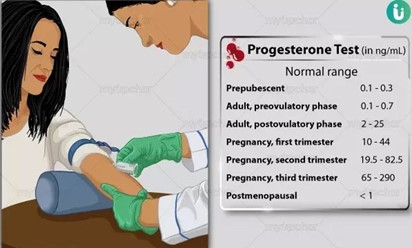
Progesterone is a hormone produced by the ovaries after ovulation has occurred. By measuring the levels of progesterone in the blood, healthcare providers can determine whether ovulation is occurring regularly and at what point in the menstrual cycle it is happening. This information can be used to time implantation during fertility treatments such as intrauterine insemination (IUI) or in-vitro fertilization (IVF). The other options listed, such as abdominal CT, oocyte viability test, and urine testosterone, are not relevant diagnostic tests for assessing ovulation or timing implantation.
Whether you are a student looking to ace your exams or a practicing nurse seeking to enhance your expertise , our nursing education contents will empower you with the confidence and competence to make a difference in the lives of patients and become a respected leader in the healthcare field.
Visit Naxlex, invest in your future and unlock endless possibilities with our unparalleled nursing education contents today