
A 58-year-old man is going to have chemotherapy for lung cancer. He asks the nurse how the chemotherapeutic drugs will work.The most accurate explanation the nurse can give is which of the following?
"The molecular structure of the DNA is altered."
"Cancer cells are susceptible to drug toxins."
"Chemotherapy encourages cancer cells to divide."
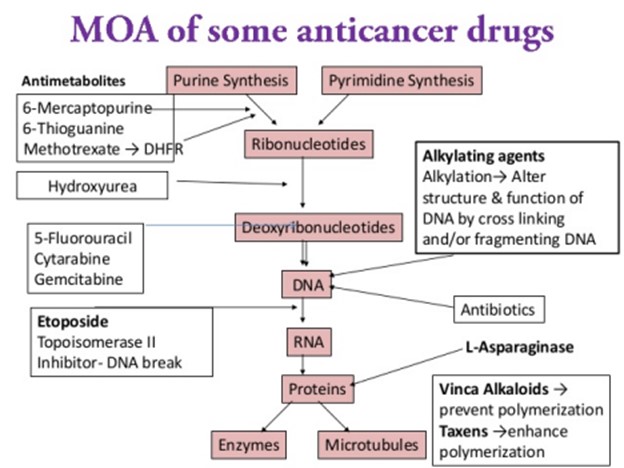
"Chemotherapy affects all rapidly dividing cells."
The Correct Answer is D
Chemotherapy is a treatment modality used to target and destroy rapidly dividing cells, including cancer cells. It works by interfering with the cell division process, which is a characteristic of cancer cells. However, it is important to note that chemotherapy drugs can also affect normal, healthy cells in the body that undergo rapid division, such as cells in the bone marrow, hair follicles, and gastrointestinal lining. This is why chemotherapy can be associated with side effects like bone marrow suppression, hair loss, and gastrointestinal disturbances. While the molecular structure of DNA can be altered by certain chemotherapeutic drugs, this explanation is not comprehensive enough to encompass the overall mechanism of action of chemotherapy.
The statement that "cancer cells are susceptible to drug toxins" is partially true, as cancer cells are generally more vulnerable to the cytotoxic effects of chemotherapy drugs compared to normal cells.
Chemotherapy aims to disrupt the division and growth of cancer cells rather than promoting their division.
Nursing Test Bank
Naxlex Comprehensive Predictor Exams
Related Questions
Correct Answer is D
Explanation
Chemotherapy is a treatment modality used to target and destroy rapidly dividing cells, including cancer cells. It works by interfering with the cell division process, which is a characteristic of cancer cells. However, it is important to note that chemotherapy drugs can also affect normal, healthy cells in the body that undergo rapid division, such as cells in the bone marrow, hair follicles, and gastrointestinal lining. This is why chemotherapy can be associated with side effects like bone marrow suppression, hair loss, and gastrointestinal disturbances. While the molecular structure of DNA can be altered by certain chemotherapeutic drugs, this explanation is not comprehensive enough to encompass the overall mechanism of action of chemotherapy.
The statement that "cancer cells are susceptible to drug toxins" is partially true, as cancer cells are generally more vulnerable to the cytotoxic effects of chemotherapy drugs compared to normal cells.
Chemotherapy aims to disrupt the division and growth of cancer cells rather than promoting their division.
Correct Answer is ["C","D","E"]
Explanation
Crackles and wheezing indicate the presence of excessive mucus or secretions in the airways, which may require suctioning to clear the airway and improve breathing.
The presence of serosanguineous drainage on the tracheostomy dressing may indicate increased mucus production or bleeding, suggesting the need for suctioning to remove secretions or assess for any bleeding complications.
Regular suctioning is necessary to maintain a patent airway for patients with a tracheostomy. If suctioning was performed more than 4 hours ago, it may be time for another suctioning session to prevent the accumulation of secretions and maintain airway clearance. While a fever may indicate an underlying infection or inflammation, it does not specifically indicate the need for suctioning. The decision to suction should be based on the patient's respiratory assessment and the presence of respiratory symptoms.
While patient requests and preferences are important, the need for suctioning should be determined based on clinical indicators and assessment findings rather than solely relying on patient requests.
Whether you are a student looking to ace your exams or a practicing nurse seeking to enhance your expertise , our nursing education contents will empower you with the confidence and competence to make a difference in the lives of patients and become a respected leader in the healthcare field.
Visit Naxlex, invest in your future and unlock endless possibilities with our unparalleled nursing education contents today