
A 67-year-old patient tells the nurse, “l have problems with constipation now that I am older, so I use a suppository every morning” The most appropriate nursing action at this time is to
encourage the patient to drink at least 3000 ml of fluid a day.
suggest that the patient increase dietary intake of foods that are high in fiber.
inform the patient that a daily bowel movement is not necessary.
perform a focused nursing assessment to identify risk factors for constipation.
The Correct Answer is D
Although increasing fluid intake and fiber intake are important interventions for preventing constipation, it is important to first assess the patient's current situation and risk factors for constipation. Additionally, while a daily bowel movement is not necessary for everyone, it is important to understand the patient's usual bowel habits and whether or not their current regimen is effective for them. Therefore, the nurse should perform a focused nursing assessment to identify the patient's risk factors for constipation and evaluate their current bowel regimen before providing specific interventions or recommendations.
Nursing Test Bank
Naxlex Comprehensive Predictor Exams
Related Questions
Correct Answer is C
Explanation
The operating room is a sterile environment, and it is critical to maintain a clean and controlled environment to reduce the risk of infection to the patient. The measures taken include maintaining positive air pressure, controlling temperature and humidity, filtering the air, using sterile surgical instruments, and limiting traffic in and out of the operating room. These measures help to prevent the spread of infectious agents that may be present in the operating room. While the other options (a, b, and d) may also be important considerations in the design of the operating room, preventing transmission of infection is the primary goal.

Correct Answer is B
Explanation
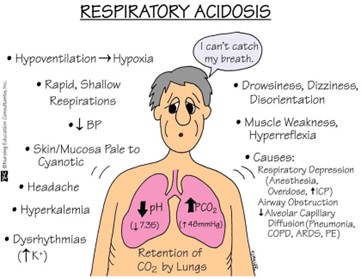
The pH value is less than the normal range of 7.35-7.45, indicating acidosis. The PaCO2 value is elevated above the normal range of 35-45 mmHg, indicating respiratory acidosis. The PaO2 value is lower than normal, but not significantly low enough to indicate hypoxemia. The HCO3- level is within the normal range, but not significantly high enough to indicate metabolic compensation for respiratory acidosis.
Whether you are a student looking to ace your exams or a practicing nurse seeking to enhance your expertise , our nursing education contents will empower you with the confidence and competence to make a difference in the lives of patients and become a respected leader in the healthcare field.
Visit Naxlex, invest in your future and unlock endless possibilities with our unparalleled nursing education contents today