
A child with a new diagnosis of Vesico-Uretal-Reflux VUR) is being discharged with a long term prescription for antibiotics. The parents ask why their child will be taking antibiotics for a long time. The nurse's best response is ...
Antibiotics will help your child urinate more easily
"Antibiotics will control the autoimmune process your child is experiencing
The antibiotics will decrease the risk for urinary tract infections.
The antibiotics will cure the VUR if taking long term
The Correct Answer is C
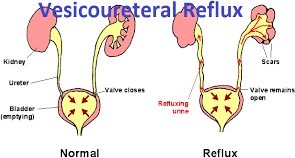
Vesico-Ureteral Reflux (VUR) is a condition where urine flows backward from the bladder into the ureters and potentially up to the kidneys. This can increase the risk of urinary tract infections (UTIs) and potential kidney damage. By taking antibiotics for a longer duration, the aim is to prevent or reduce the occurrence of UTIs. Antibiotics help to eliminate or control bacterial growth in the urinary tract, reducing the risk of infection and associated complications. It is important to clarify that long-term antibiotic use does not cure VUR but rather helps manage the risk of UTIs.
Nursing Test Bank
Naxlex Comprehensive Predictor Exams
Related Questions
Correct Answer is C
Explanation
Pneumonia is an infection that causes inflammation in the lungs. Auscultation refers to listening to the sounds produced by the lungs using a stethoscope. Ronchi and fine crackles are abnormal lung sounds that can be heard during auscultation in individuals with pneumonia.
These sounds are associated with the presence of fluid or mucus in the lungs, which is characteristic of pneumonia.
While other symptoms such as a sore throat, tympany noted on chest percussion, and a slightly elevated temperature (37.8 degrees Celsius) can be present in various respiratory conditions, the auscultation findings of ronchi or fine crackles specifically suggest an underlying lung infection like pneumonia.
Correct Answer is D
Explanation
These symptoms suggest the possibility of deep vein thrombosis (DVT), which is a potentially serious complication following surgery. DVT occurs when a blood clot forms in a deep vein, commonly in the lower extremities. The symptoms of a swollen, warm, and painful calf can indicate the presence of a DVT.
DVT is a medical emergency that requires immediate attention and intervention to prevent further complications such as a pulmonary embolism (where the blood clot travels to the lungs). Prompt evaluation and treatment, such as anticoagulant therapy, are necessary to prevent complications
Whether you are a student looking to ace your exams or a practicing nurse seeking to enhance your expertise , our nursing education contents will empower you with the confidence and competence to make a difference in the lives of patients and become a respected leader in the healthcare field.
Visit Naxlex, invest in your future and unlock endless possibilities with our unparalleled nursing education contents today