
A client arrives to the clinic with reports of progressive weakness in his lower extremities. Which of the following findings in the client's history is consistent with the client developing Guillain-Barre syndrome?
Facial tumor
Pregnancy
Puncture wound 3 weeks ago
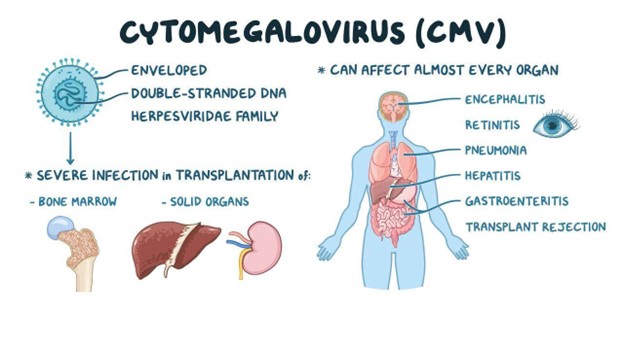
Cytomegalovirus
The Correct Answer is D
Choice A Reason: A facial tumor is not related to Guillain-Barre syndrome, which is an autoimmune disorder that affects the peripheral nerves.
Choice B Reason: Pregnancy is not a risk factor for Guillain-Barre syndrome, although it can occur during or after pregnancy in rare cases.
Choice C Reason: A puncture wound 3 weeks ago is unlikely to cause Guillain-Barre syndrome, which usually follows a respiratory or gastrointestinal infection.
Choice D Reason: This is the correct answer because cytomegalovirus is one of the common infections that can trigger Guillain-Barre syndrome. It can cause inflammation and damage to the myelin sheath that covers the nerves.
Nursing Test Bank
Naxlex Comprehensive Predictor Exams
Related Questions
Correct Answer is A
Explanation
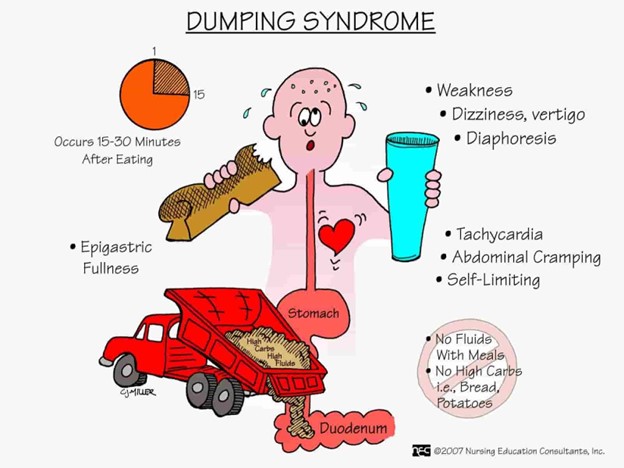
Choice A Reason: Sweating and pallor are early signs and symptoms of dumping syndrome, which is a condition where food moves too quickly from the stomach to the small intestine, causing rapid fluid shifts and hormonal changes. Sweating and pallor are caused by hypoglycemia, which occurs when the high concentration of food in the small intestine stimulates insulin secretion.
Choice B Reason: Abdominal cramping and pain are late signs and symptoms of dumping syndrome, which occur about one to three hours after eating. Abdominal cramping and pain are caused by intestinal distension, spasms, and gas formation.
Choice C Reason: Double vision and chest pain are not signs and symptoms of dumping syndrome, but may indicate other serious conditions, such as stroke or heart attack. Double vision and chest pain should be reported to the provider immediately.
Choice D Reason: Bradycardia and indigestion are not signs and symptoms of dumping syndrome, but may be related to other gastrointestinal disorders, such as gastritis or peptic ulcer disease. Bradycardia and indigestion should be evaluated by the provider for further diagnosis and treatment.
Correct Answer is B
Explanation
Choice A reason: This is incorrect because preparing the client for an X-ray is not the first action that the nurse should take. An X-ray can help diagnose possible injuries or fractures, but it is not an urgent test. The nurse should first assess the client's level of consciousness and neurological status using a standardized tool such as the Glasgow Coma Scale.
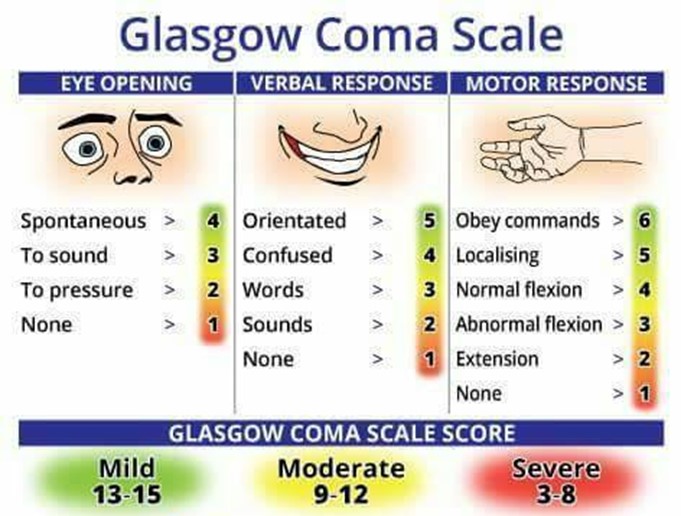
Choice B reason: This is the correct answer because calculating a Glasgow Coma Score is the first action that the nurse should take. The Glasgow Coma Scale is a tool that measures the level of consciousness based on the eye-opening, verbal response, and motor responses. It can help determine the severity of brain injury and guide further interventions.
Choice C reason: This is incorrect because dimming the lights and turning off the TV are not the first actions that the nurse should take. These are environmental modifications that can help reduce sensory stimulation and prevent agitation or seizures, but they are not as important as assessing the level of consciousness and neurological status.
Choice D reason: This is incorrect because providing analgesics is not the first action that the nurse should take. Analgesics can help relieve pain and discomfort, but they can also alter the level of consciousness and mask neurological signs. The nurse should first assess the level of consciousness and neurological status, and then administer analgesics as prescribed.
Whether you are a student looking to ace your exams or a practicing nurse seeking to enhance your expertise , our nursing education contents will empower you with the confidence and competence to make a difference in the lives of patients and become a respected leader in the healthcare field.
Visit Naxlex, invest in your future and unlock endless possibilities with our unparalleled nursing education contents today