
A client at a healthcare facility has been diagnosed with polyuria. How would the nurse describe the client's condition in the medical record?
Inadequate elimination of urine
Absence of urine
Difficult or uncomfortable voiding
Greater that normal urinary volume
The Correct Answer is D
Choice A rationale: Polyuria refers to excessive production of urine, so "Inadequate elimination of urine" is not an accurate description.
Choice B rationale: Polyuria does not mean the absence of urine; rather, it implies an increased urinary volume.
Choice C rationale: Polyuria is not related to difficult or uncomfortable voiding.
Choice D rationale: Polyuria is characterized by greater than normal urinary volume, so this is the correct description.
Nursing Test Bank
Naxlex Comprehensive Predictor Exams
Related Questions
Correct Answer is A
Explanation
Choice A rationale: The absence of bowel sounds on post-operative day 2 may indicate paralytic ileus, which is a temporary impairment of bowel motility. Paralytic ileus can last for 3-5 days postoperatively and is considered a normal response to surgery.
Choice B rationale: It is not normal for all post-op patients to have absent bowel sounds on day 2. Bowel sounds should typically return within the first 24 hours after surgery.
Choice C rationale: The absence of bowel sounds can be a normal finding in the immediate postoperative period, especially within the first 24 hours. However, it becomes abnormal if prolonged.
Choice D rationale: Documenting absent bowel sounds is appropriate, but notifying the physician should be based on the overall clinical picture and other symptoms.
Correct Answer is A
Explanation
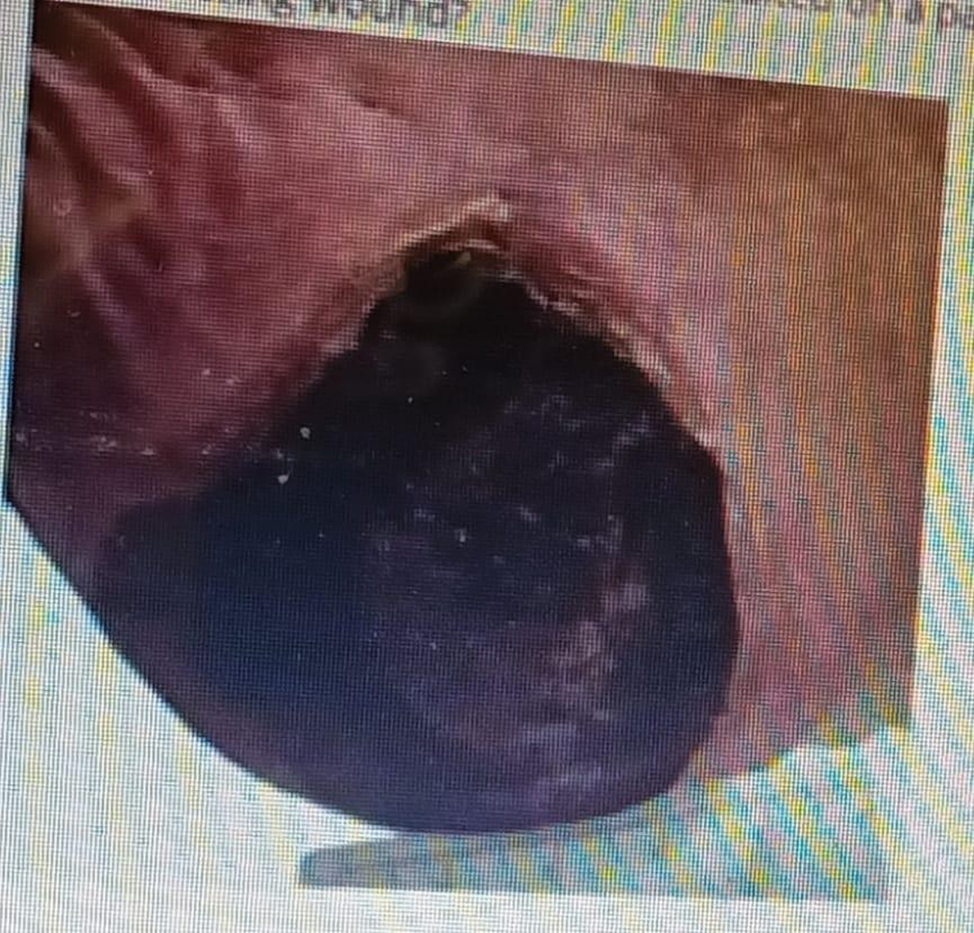
Choice A rationale: An unstageable ulcer is covered with slough or eschar, making it difficult to determine the depth of tissue involvement. The presence of eschar prevents accurate staging of the wound.
Choice B rationale: Stage II pressure ulcers involve partial-thickness skin loss, typically presenting as a shallow open ulcer with a red-pink wound bed.
Choice C rationale: Stage IV pressure ulcers involve full-thickness tissue loss with exposed bone, tendon, or muscle, which is not described in this scenario.
Choice D rationale: Stage III pressure ulcers involve full-thickness tissue loss without exposed bone, tendon, or muscle, but the presence of eschar makes accurate staging challenging.
Whether you are a student looking to ace your exams or a practicing nurse seeking to enhance your expertise , our nursing education contents will empower you with the confidence and competence to make a difference in the lives of patients and become a respected leader in the healthcare field.
Visit Naxlex, invest in your future and unlock endless possibilities with our unparalleled nursing education contents today