
A nurse is implementing a bowel training program for a client. For the program to be effective, the nurse should take the client to the toilet at which of the following times?
When the client has the urge to defecate
Every 2 hr while the client is awake
Immediately before the client has a meal
After the client feels abdominal cramping
The Correct Answer is A
Choice A rationale: Taking the client to the toilet when they have the urge to defecate promotes a natural bowel pattern and is an essential aspect of bowel training.
Choice B rationale: Timing toilet visits based on a regular schedule may be part of a bowel training program, but waiting for the client to have the urge is more effective.
Choice C rationale: Timing toilet visits with meals may be part of a bowel training program, but taking the client when they have the urge is more effective.
Choice D rationale: Waiting for the client to experience abdominal cramping may lead to delayed toileting and is not recommended in a bowel training program.
Nursing Test Bank
Naxlex Comprehensive Predictor Exams
Related Questions
Correct Answer is B
Explanation
Choice A rationale: Protective supine positioning is not ideal for managing dysphagia or facilitating swallowing.
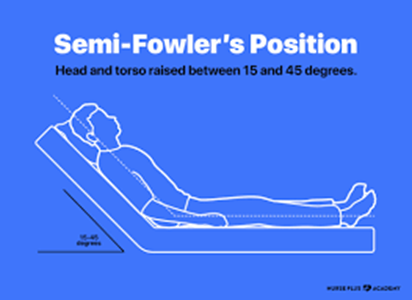
Choice B rationale: Semi-Fowlers positioning, with the head of the bed elevated at a 30 to 45-degree angle, is often recommended for clients with dysphagia. This position helps prevent aspiration during eating and promotes effective swallowing.
Choice C rationale: Low-Fowlers and Fowlers positions may not be as effective in preventing aspiration during eating as the Semi-Fowlers position.
Choice D rationale: Fowlers positioning alone may not be sufficient for managing dysphagia; Semi-Fowlers is a more specific recommendation.
Correct Answer is A
Explanation
Choice A rationale: The client who is 92 years old, uses a walker, is incontinent, and has an extensive cardiac history is at higher risk for the development of pressure injuries due to age, immobility, and additional risk factors.
Choice B rationale: A client with paraplegia may be at risk for pressure injuries, but the combination of age, walker use, incontinence, and cardiac history increases the risk in Choice A.
Choice C rationale: A comatose client with a traumatic brain injury is at risk, but other factors in Choice A contribute to a higher overall risk.
Choice D rationale: A client who uses a cane and has dementia may be at risk, but the combination of age, walker use, incontinence, and cardiac history increases the risk in Choice A.
Whether you are a student looking to ace your exams or a practicing nurse seeking to enhance your expertise , our nursing education contents will empower you with the confidence and competence to make a difference in the lives of patients and become a respected leader in the healthcare field.
Visit Naxlex, invest in your future and unlock endless possibilities with our unparalleled nursing education contents today