
A client who is hypotensive is receiving dopamine, an adrenergic agonist, IV at the rate of 8 mcg/kg/min. Which intervention should the nurse implement while administering this medication?
Assess pupillary response to light hourly.
Initiate seizure precautions.
Monitor serum potassium frequently.
Measure urinary output every hour.
The Correct Answer is D
Choice A: Assessing pupillary response to light hourly is not an intervention that the nurse should implement while administering dopamine, as this is not related to the effects or side effects of dopamine. This is a distractor choice.
Choice B: Initiating seizure precautions is not an intervention that the nurse should implement while administering dopamine, as this is not a common or expected complication of dopamine. This is another distractor choice.
Choice C: Monitoring serum potassium frequently is not an intervention that the nurse should implement while administering dopamine, as this is not affected by dopamine or hypotension. This is another distractor choice.
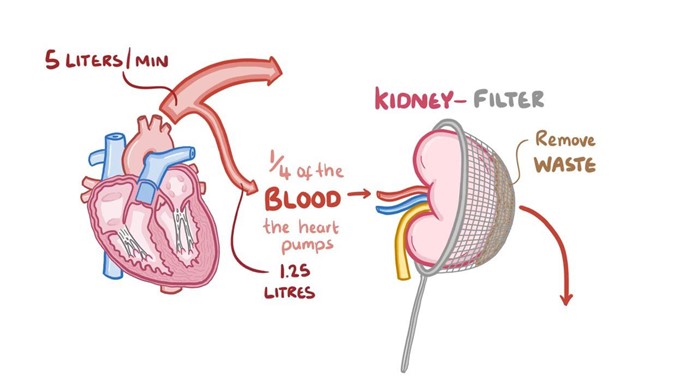
Choice D: Measuring urinary output every hour is an intervention that the nurse should implement while administering dopamine, as this can indicate the effectiveness of dopamine in improving renal perfusion and blood pressure. Therefore, this is the correct choice.
Nursing Test Bank
Naxlex Comprehensive Predictor Exams
Related Questions
Correct Answer is C
Explanation
Choice A: Think about reasons the episodes occur. This is not the best instruction, as it may increase the anxiety level of the client. Thinking about reasons may trigger negative thoughts, emotions, or memories that can worsen the anxiety. The nurse should teach the client to focus on coping skills rather than causes.
Choice B: Center attention on positive upbeat music. This is not the best instruction, as it may not be effective for all clients. Listening to positive upbeat music may help distract or soothe some clients, but it may also irritate or annoy others. The nurse should teach the client to choose music that matches their mood and preference.
Choice C: Practice using muscle relaxation techniques. This is the best instruction, as it can reduce the physical symptoms of anxiety. Muscle relaxation techniques involve tensing and relaxing different muscle groups in a systematic way, which can lower blood pressure, heart rate, and breathing rate. The nurse should teach the client how to perform muscle relaxation techniques and practice them regularly.
Choice D: Find outlets for more social interaction. This is not the best instruction, as it may not be feasible or helpful for all clients. Finding outlets for more social interaction may help some clients feel supported or connected, but it may also stress or overwhelm others. The nurse should teach the client to seek social support that is appropriate and comfortable for them.
Correct Answer is C
Explanation
Choice A: Assessing pupillary response to light hourly is not related to dopamine administration. Dopamine does not affect the pupils or the cranial nerves that control them.
Choice B: Initiating seizure precautions is not necessary for a client receiving dopamine. Dopamine does not lower the seizure threshold or cause convulsions.
Choice C: Measuring urinary output every hour is an important intervention for a client receiving dopamine. Dopamine increases blood pressure and cardiac output, which improves renal perfusion and urine production. Urinary output is an indicator of the effectiveness of dopamine therapy and renal function.
Choice D: Monitoring serum potassium frequently is not directly related to dopamine administration. Dopamine does not affect potassium levels or cause hyperkalemia or hypokalemia. However, potassium levels may be affected by other factors such as fluid balance, renal function, and medications.
Whether you are a student looking to ace your exams or a practicing nurse seeking to enhance your expertise , our nursing education contents will empower you with the confidence and competence to make a difference in the lives of patients and become a respected leader in the healthcare field.
Visit Naxlex, invest in your future and unlock endless possibilities with our unparalleled nursing education contents today