
A client with multiple sclerosis starts a new prescription, baclofen, to control muscle spasticity. Three days later, the client calls the clinic nurse and reports feeling fatigued and dizzy. Which instruction should the nurse provide?
Increase intake of fluids and high protein foods.
Stop taking the medication immediately.
Obtain transportation to the emergency department.
Avoid hazardous activities until symptoms subside.
The Correct Answer is D
Choice A reason: Increasing intake of fluids and high protein foods is not an instruction that the nurse should provide to the client who is taking baclofen, which is a medication that relaxes skeletal muscles and reduces spasticity. Fluids and high protein foods do not affect the action or side effects of baclofen.
Choice B reason: Stopping taking the medication immediately is not an instruction that the nurse should provide to the client who is taking baclofen, which is a medication that should be tapered off gradually under medical supervision. Abrupt withdrawal of baclofen can cause serious complications, such as seizures, hallucinations, and increased spasticity.
Choice C reason: Obtaining transportation to the emergency department is not an instruction that the nurse should provide to the client who is taking baclofen, which is a medication that can cause mild and transient side effects, such as fatigue and dizziness. These side effects are not life-threatening and usually subside as the body adjusts to the medication.
Choice D reason: Avoiding hazardous activities until symptoms subside is an instruction that the nurse should provide to the client who is taking baclofen, which is a medication that can impair the ability to drive, operate machinery, or perform other tasks that require alertness and coordination. The client should be advised to exercise caution and avoid activities that could result in injury until they are no longer experiencing fatigue and dizziness.

Nursing Test Bank
Naxlex Comprehensive Predictor Exams
Related Questions
Correct Answer is ["B","C","D"]
Explanation
Choice A reason:
Seizures are not a common side effect of morphine, and they are unlikely to contribute to this client's fall risk. Seizures can occur in rare cases of morphine overdose, hypersensitivity, or withdrawal, but they are not expected in a client who is receiving a continuous and monitored dose of morphine. Therefore, choice A is incorrect.
Choice B reason:
Nausea is a common side effect of morphine, and it can contribute to this client's fall risk. Nausea can cause the client to feel dizzy, weak, or unsteady, and it can also impair the client's appetite and hydration status. Nausea can also trigger vomiting, which can increase the risk of aspiration or dehydration. Therefore, choice B is correct.
Choice C reason:
Orthostatic hypotension is a common side effect of morphine, and it can contribute to this client's fall risk. Orthostatic hypotension is a sudden drop in blood pressure that occurs when the client changes position from lying to sitting or standing. Orthostatic hypotension can cause the client to feel faint, dizzy, or lightheaded, and it can also increase the risk of syncope (loss of consciousness) or cardiac arrhythmias. Therefore, choice C is correct.
Choice D reason:
Sedation is a common side effect of morphine, and it can contribute to this client's fall risk. Sedation can cause the client to feel sleepy, drowsy, or confused, and it can also impair the client's alertness and coordination. Sedation can also reduce the client's ability to respond to stimuli or alarms, and it can increase the risk of respiratory depression or coma. Therefore, choice D is correct.
Choice E reason:
Euphoria is a common side effect of morphine, and it can contribute to this client's fall risk. Euphoria is a feeling of intense happiness or well-being that is induced by the activation of opioid receptors in the brain. Euphoria can cause the client to feel overconfident, impulsive, or reckless, and it can also impair the client's judgment and perception of reality. Euphoria can also increase the risk of psychological dependence or addiction. Therefore, choice E is correct.
Choice F reason:
Itching is a common side effect of morphine, and it can contribute to this client's fall risk. Itching is caused by the release of histamine from mast cells in response to the stimulation of opioid receptors in the skin. Itching can cause the client to scratch excessively, which can damage the skin and increase the risk of infection. Itching can also distract the client from other sensations or warnings, and it can reduce the client's comfort and quality of life. Therefore, choice F is correct.
Choice G reason:
Urinary retention is a common side effect of morphine, and it can contribute to this client's fall risk. Urinary retention is the inability to empty the bladder completely or voluntarily due to the inhibition of bladder contraction by opioid receptors in the urinary tract. Urinary retention can cause the client to feel pain, discomfort, or urgency in the lower abdomen, and it can also increase the risk of urinary tract infection or kidney damage. Urinary retention can also prompt the client to attempt to get out of bed without assistance or supervision, which can increase the risk of falling. Therefore, choice G is correct.
Correct Answer is B
Explanation
Choice A reason: Depression screening is not directly related to the effectiveness of orlistat, which is a medication that blocks the absorption of fat from the diet and helps to reduce weight. Depression screening may be important for the overall mental health of the client, but it is not an ongoing assessment for orlistat.
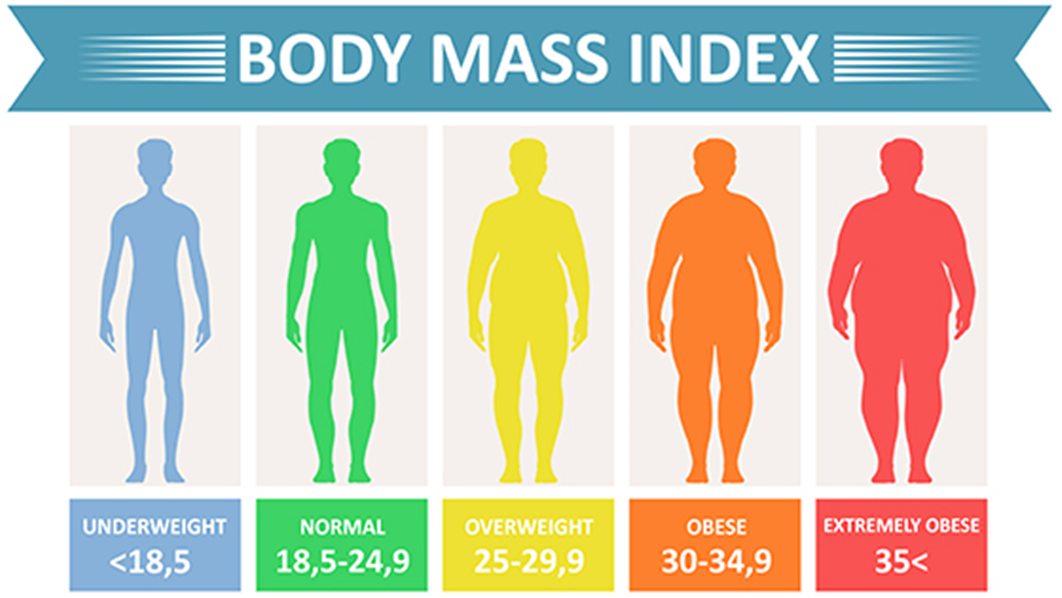
Choice B reason: Body mass index (BMI) is a measure of body fat based on height and weight, and it is used to assess the risk of obesity-related health problems. BMI is an ongoing assessment for orlistat, because it can indicate the progress and outcome of the weight management program. The goal of orlistat therapy is to achieve and maintain a healthy BMI.
Choice C reason: Daily calorie count is not an ongoing assessment for orlistat, because it does not reflect the amount of fat absorbed by the body. Orlistat works by blocking the action of lipase, an enzyme that breaks down fat in the intestine. Therefore, even if the client consumes a high-calorie diet, orlistat can prevent some of the fat from being absorbed and reduce weight. However, daily calorie count may be useful for monitoring the overall nutritional intake and energy balance of the client.
Choice D reason: Serum protein levels are not an ongoing assessment for orlistat, because they are not affected by the medication. Orlistat only blocks the absorption of fat, not protein or carbohydrates. Serum protein levels may be important for evaluating the nutritional status and organ function of the client, but they are not an indicator of orlistat effectiveness.
Whether you are a student looking to ace your exams or a practicing nurse seeking to enhance your expertise , our nursing education contents will empower you with the confidence and competence to make a difference in the lives of patients and become a respected leader in the healthcare field.
Visit Naxlex, invest in your future and unlock endless possibilities with our unparalleled nursing education contents today