
A community health nurse is educating a newly licensed nurse about sensitivity and specificity using a two-by-two table. Which of the following statements by the newly licensed nurse indicates an understanding of the table related to false negatives?
False negatives are represented in the table cell that indicates the person does not have the disease and the test does not indicate disease.
False negatives are represented in the table cell that indicates the person has the disease and the test indicates the person has the disease.
False negatives are represented in the table cell that indicates the person has the disease and the test does not indicate disease.
False negatives are represented in the table cell that indicates the person does not have the disease and the test indicates disease.
The Correct Answer is C
Choice A Reason:
This statement is incorrect because it describes a true negative, not a false negative. A true negative occurs when the test correctly identifies that a person does not have the disease. In a two-by-two table, this is represented in the cell where both the actual status and the test result indicate no disease.
Choice B Reason:
This statement is incorrect because it describes a true positive, not a false negative. A true positive occurs when the test correctly identifies that a person has the disease. In a two-by-two table, this is represented in the cell where both the actual status and the test result indicate the presence of the disease.
Choice C Reason:
This statement is correct because it accurately describes a false negative. A false negative occurs when the test incorrectly indicates that a person does not have the disease when, in fact, they do. In a two-by-two table, this is represented in the cell where the actual status indicates the presence of the disease, but the test result indicates no disease.
Choice D Reason:
This statement is incorrect because it describes a false positive, not a false negative. A false positive occurs when the test incorrectly indicates that a person has the disease when, in fact, they do not. In a two-by-two table, this is represented in the cell where the actual status indicates no disease, but the test result indicates the presence of the disease.
Nursing Test Bank
Naxlex Comprehensive Predictor Exams
Related Questions
Correct Answer is B
Explanation
Choice A Reason:
The number of condoms distributed is an important metric for understanding the reach and utilization of the program. However, it does not directly measure the program's effectiveness in achieving its primary goal, which is to reduce the incidence of sexually transmitted infections (STIs). While distribution numbers can indicate program activity, they do not provide information on health outcomes.
Choice B Reason:
Decrease in the incidence of sexually transmitted infections is the most relevant metric for evaluating the effectiveness of a condom distribution program. The primary objective of such programs is to reduce the transmission of STIs among the target population. By measuring the incidence of STIs before and after the implementation of the program, the nurse can assess whether the program has successfully achieved its goal of improving sexual health outcomes.
Choice C Reason:
The number of students who engage in sex is not a suitable metric for evaluating the effectiveness of a condom distribution program. The program aims to promote safe sex practices rather than influence the number of sexual encounters. Tracking sexual activity does not provide meaningful data on the program's impact on STI prevention.
Choice D Reason:
The location of the community college campus is not relevant to the evaluation of the condom distribution program's effectiveness. While the location might be important for logistical planning and accessibility, it does not provide any information on the program's success in reducing STIs or promoting safe sex practices.
Correct Answer is C
Explanation
Choice A: "I Think That I Missed Two Math Tutoring Classes Last Week, But I Can Still Catch Up."
This statement indicates that the client is aware of their academic responsibilities and is optimistic about catching up. Missing a couple of classes is not uncommon, and the client's positive attitude towards catching up is a good sign. This statement does not indicate an immediate need for intervention regarding their mental health.
Choice B: "I Have Not Used Drugs in 6 Weeks."
This statement is positive and indicates progress in the client's efforts to stay away from substance use. It shows that the client is making strides towards healthier behaviors, which is a crucial aspect of their overall well-being. This statement does not require immediate intervention but should be acknowledged and supported.
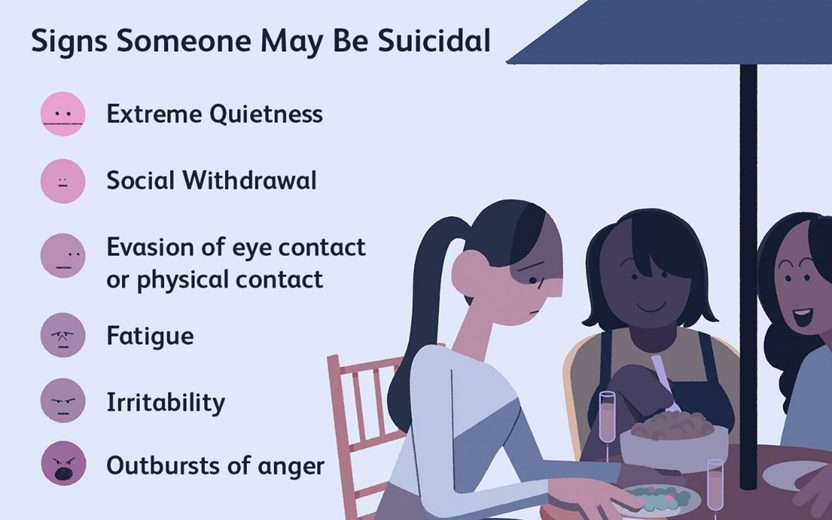
Choice C: "I Don't Have Anyone I Can Talk to About My Problems."
This statement is concerning and indicates a lack of social support, which is critical for someone with a history of depression and suicidal ideation. Feeling isolated and having no one to talk to can exacerbate feelings of depression and increase the risk of suicidal thoughts. This statement requires immediate intervention to ensure the client receives the necessary support and resources to address their feelings of isolation.
Choice D: "I Have Been Participating in My Local YMCA After-School Dance Program Again."
This statement is positive and indicates that the client is engaging in social and physical activities, which can be beneficial for their mental health. Participation in such programs can provide a sense of community, improve mood, and reduce feelings of isolation. This statement does not require immediate intervention but should be encouraged and supported.
Whether you are a student looking to ace your exams or a practicing nurse seeking to enhance your expertise , our nursing education contents will empower you with the confidence and competence to make a difference in the lives of patients and become a respected leader in the healthcare field.
Visit Naxlex, invest in your future and unlock endless possibilities with our unparalleled nursing education contents today