
A community health nurse is teaching a group of older adult clients about hypertension.
The nurse should identify which of the following as a client-related barrier to learning?
Limited experience.
Lack of credibility.
Fear of public speaking.
Low literacy.
The Correct Answer is D
Low literacy can be a barrier to learning because it can make it difficult for clients to understand written materials and instructions.
Choices A, B, and C are not client-related barriers to learning.
Limited experience (choice A) and lack of credibility (choice B) are barriers that may affect the nurse’s ability to teach effectively, but they are not directly related to the client’s ability to learn.
Fear of public speaking (choice C) may affect the client’s willingness to participate in group discussions, but it is not a barrier to learning itself.
Nursing Test Bank
Naxlex Comprehensive Predictor Exams
Related Questions
Correct Answer is D
Explanation
Primary prevention strategies aim to prevent a problem before it occurs. Teaching parenting techniques to new parents is a primary prevention strategy because it helps to prevent individual and family violence by providing new parents with the skills and knowledge they need to raise their children in a healthy and non-violent environment.
Choice A is not correct because providing treatment for a young adult who has a substance use disorder is a secondary prevention strategy.
It aims to reduce the impact of a problem that has already occurred.
Choice B is not correct because assessing a family for marital discord is also a secondary prevention strategy.
Choice C is not correct because conducting counseling for at-risk parents is a tertiary prevention strategy.
It aims to reduce the impact of an ongoing problem and prevent it from getting worse.
Correct Answer is C
Explanation
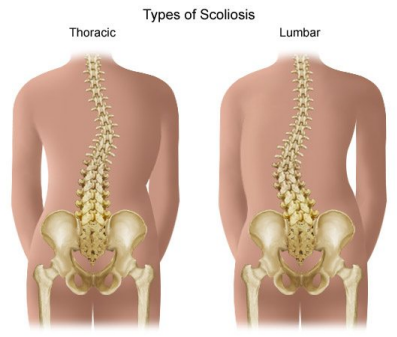
An adolescent who has scoliosis should be recognized as the highest priority because scoliosis can progress rapidly during growth spurts and can lead to long-term health problems if left untreated.
Choice A is incorrect because while psoriasis may require medical attention, it is not necessarily a high-priority condition.
Choice B is incorrect because a BMI of 18 falls within the normal range for children and adolescents and does not necessarily indicate a health concern.
Choice D is incorrect because while nits may indicate a lice infestation, it is not necessarily a high-priority condition.
Whether you are a student looking to ace your exams or a practicing nurse seeking to enhance your expertise , our nursing education contents will empower you with the confidence and competence to make a difference in the lives of patients and become a respected leader in the healthcare field.
Visit Naxlex, invest in your future and unlock endless possibilities with our unparalleled nursing education contents today